Mint
Mentha
At a Glance
| Botanical name | Mentha |
|---|---|
| Common name(s) | mint |
| Family | Lamiaceae |
| Plant type | perennial |
| Height × Spread | 10–120 cm × — |
| Hardiness | — |
| Position | Full sun, Partial shade |
| Soil | wet environments and moist soils |
| Flowering | May–August |
| Toxicity | — |
| Native range | subcosmopolitan distribution across Europe, Africa, Asia, Australia, North America and South America |
Overview
Mentha, commonly known as mint, is a genus of flowering plants in the mint family, Lamiaceae. It is estimated that 18 to 24 species exist, though the exact distinction between species remains unclear due to natural hybridisation where species ranges overlap. Many hybrids and cultivars are recognised, and the taxonomy is complicated by extensive hybridisation and variable offspring from seeds.
Botanical Description
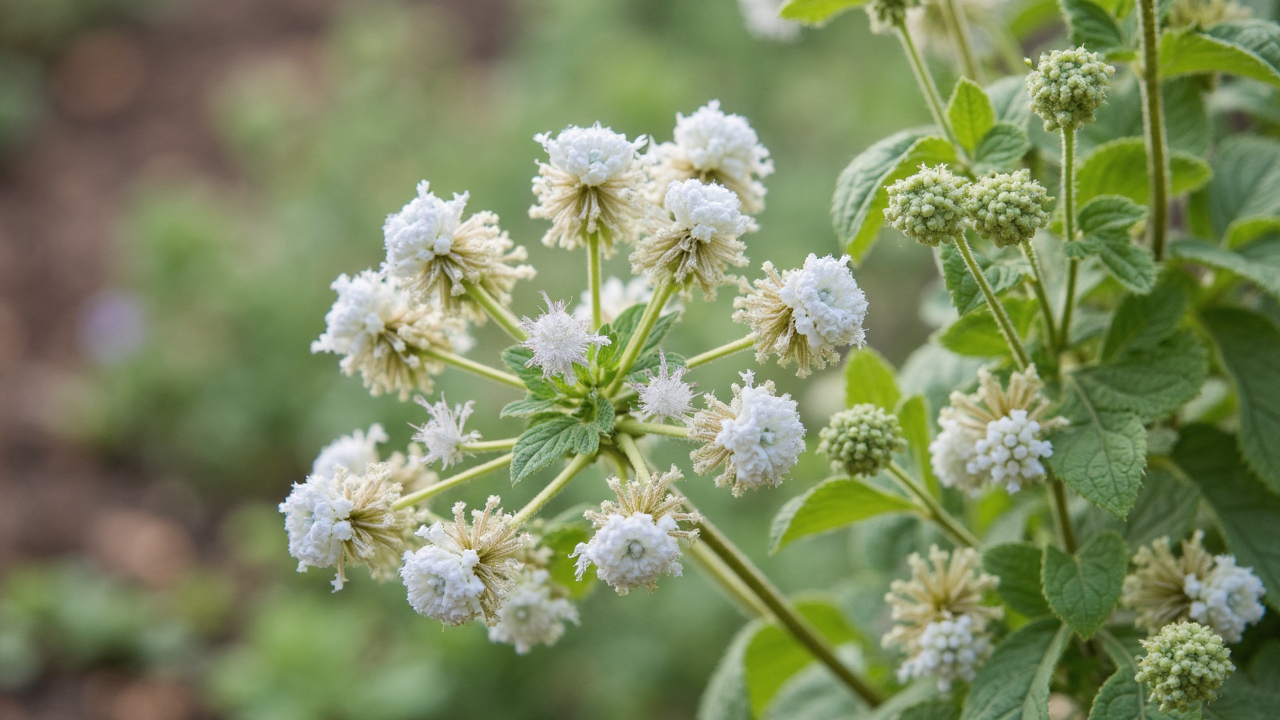
Mints are aromatic, almost exclusively perennial herbs characterised by wide-spreading underground and overground stolons, and erect, square, branched stems. They grow between 10–120 cm (4–47 in) tall and can spread over an indeterminate area, with some species considered invasive due to unchecked spread. Leaves are arranged in opposite pairs, ranging from oblong to lanceolate, often downy with serrated margins, and display colours from dark green and gray-green to purple, blue, and occasionally pale yellow. Flowers are produced in long bracts from leaf axils, white to purple, in false whorls called verticillasters. The two-lipped corolla has four subequal lobes, with the upper lobe typically largest. The fruit is a nutlet containing one to four seeds.
Origin and Habitat
The genus has a subcosmopolitan distribution across Europe, Africa, Asia, Australia, North America, and South America. Species predominantly grow in wet environments and moist soils, though they can be found in diverse habitats. Fossil seeds of Mentha pliocenica have been identified in Pliocene deposits near Rechitsa and Loyew in Belarus.
Cultivation
Mints thrive near water bodies such as pools, lakes, rivers, and in cool, moist shaded spots, tolerating both full sun and
Cultivars and Varieties
| Cultivar | Height | Flower | Notes | AGM |
|---|---|---|---|---|
| 'Mentha arvensis' | — | — | cornmint | |
| 'Mentha × piperita' | 100 cm | white to purple | peppermint, chocolate mint | |
| 'Mentha spicata' | — | — | native spearmint | |
| 'Mentha x gracilis' | — | — | Scotch spearmint, ginger mint |
Pests and Diseases
| Problem | Symptoms | Management |
|---|---|---|
| invasive growth | — | plant in deep, bottomless containers or above ground in tubs and barrels |
| allergic reaction | inducing symptoms such as a rash | — |
Quick Care Summary
| Sunlight | Full sun, Partial shade |
|---|---|
| Soil | wet environments and moist soils |
| Hardiness | — |
| Sow | March, April, May, June, September, October, November |
| Plant | March, April, May, June, September, October, November |
| Prune | — |
Facts sourced from Wikipedia / Mentha (https://en.wikipedia.org/wiki/Mentha)
As an Amazon Associate, GardenWizz earns from qualifying purchases made through the links above. This does not affect the price you pay. See our disclaimer for details.