Pea
Pisum sativum
At a Glance
| Botanical name | Pisum sativum |
|---|---|
| Common name(s) | Pea |
| Family | — |
| Plant type | annual (one year) |
| Height × Spread | 40–120 cm × — |
| Hardiness | — |
| Position | Full sun |
| Soil | — |
| Flowering | April–August |
| Toxicity | — |
| Native range | Mediterranean Basin and the Near East |
Overview
Pisum sativum is a pulse or fodder crop, commonly referred to as the seed or pod of this flowering plant species. It is eaten as a vegetable, particularly the immature seeds and pods. The scientific name Pisum sativum was given by Carl Linnaeus in 1753, though some sources dispute this and propose Lathyrus oleraceus. The term "pea" is also used for other edible seeds from the Fabaceae family, including pigeon pea and cowpea, but this entry refers specifically to Pisum sativum.
Botanical Description
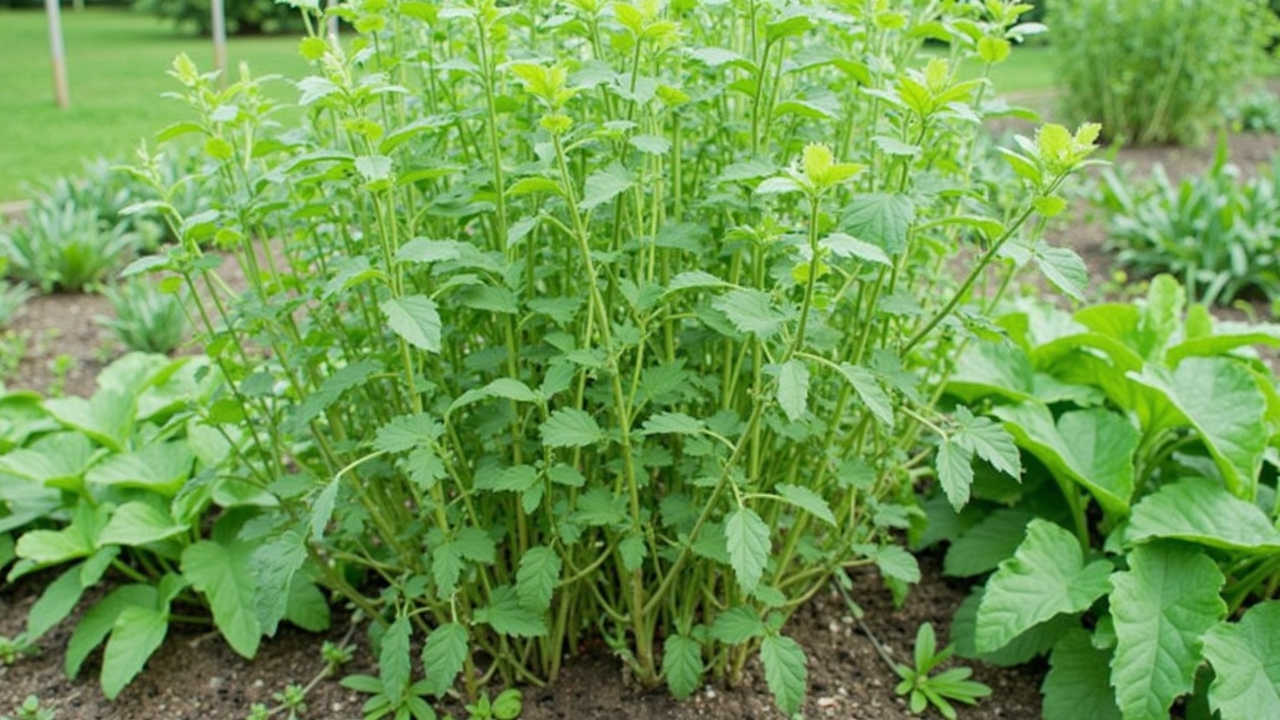
Pea pods are botanically classified as fruit, developing from the ovary of a flower and containing several seeds (peas). Each pod is typically 4–10 cm long, with seeds having green or yellow cotyledons when mature. The plant is an annual with a life cycle of one year. Pea plants exhibit both low-growing and vining forms; vining cultivars produce thin tendrils that coil around supports, enabling growth up to 1–2 metres high. Pea plants are capable of self-pollination.
Origin and Habitat
The wild pea is restricted to the Mediterranean Basin and the Near East. Archaeological evidence indicates peas were cultivated as early as 10,000 BC in the Near East and Central Asia, with finds in Egypt dating to 4800–4400 BC. They were present in Fennoscandia by 4000 BC, Georgia by the 5th millennium BC, and spread eastward to Afghanistan by 2000 BC and the Harappan civilization by 2250–1750 BC. The pea is a cool-season crop, not thriving in summer heat but growing well in cooler, high-elevation tropical areas.
Cultivation
Pisum sativum is a cool-season crop requiring full sun. Seeds may be planted when soil temperature reaches 10°C (50°F), with optimal growth occurring at 13–18°C (55–64°F). Planting can occur from winter to early summer depending on location. Many cultivars reach maturity approximately 60 days after planting. Vining cultivars require support structures such as pea sticks (pruned branches), metal fences, twine, or netting, though dense plantings provide mutual support.
Care and Maintenance
Peas are typically harvested when immature for fresh consumption, with pods and seeds eaten whole in snow peas and snap peas. Field peas are grown for dry, shelled seeds. The crop is susceptible to heat stress, not thriving in warmer temperate or lowland tropical climates. For vining varieties, support is recommended but not mandatory for dwarf types. Self-pollination occurs naturally within the flower.
Uses
Garden peas are consumed fresh, frozen, or canned as a vegetable, primarily using immature seeds and pods (including snow peas and snap peas). Field peas are grown for dry, shelled seeds used in human food (e.g., split peas for soups and porridge) and livestock feed. Historically, field peas were a staple food in medieval Europe, while fresh garden peas became a luxury in early modern European cuisine. Peas are also grown for their nitrogen-fixing properties in crop rotation.
#UKGardening #GardenWizz #PisumSativum #Pea #CoolSeasonCrop #VegetableGardening #Legume #GardenPea #FieldPea #PlantBotany
Cultivars and Varieties
| Cultivar | Height | Flower | Notes | AGM |
|---|---|---|---|---|
| 'Alaska' | 150 cm | — | smooth seeded | |
| 'Early Perfection' | — | — | 65 days | |
| 'Kelvedon Wonder' | — | — | 65 days, 1997 RHS AGM winner | |
| 'Little Marvel' | — | — | 63 days, 1934 AAS winner | |
| 'Mr. Big' | — | — | 60 days, 2000 AAS winner | |
| 'Sabre' | — | — | 65 days, PMR | |
| 'Thomas Laxton (heirloom) / Laxton's Progress / Progress #9' | 100 cm | — | 60–65 days | |
| 'Tom Thumb / Half Pint' | 25 cm | — | heirloom, extra dwarf |
Quick Care Summary
| Sunlight | Full sun |
|---|---|
| Soil | — |
| Hardiness | — |
| Sow | January, February, March, October, November, December |
| Plant | January–June |
| Prune | — |
Facts sourced from Wikipedia / Pisum sativum (https://en.wikipedia.org/wiki/Pisum_sativum)
As an Amazon Associate, GardenWizz earns from qualifying purchases made through the links above. This does not affect the price you pay. See our disclaimer for details.