
Box Blight: Protecting Box Hedging and Topiary
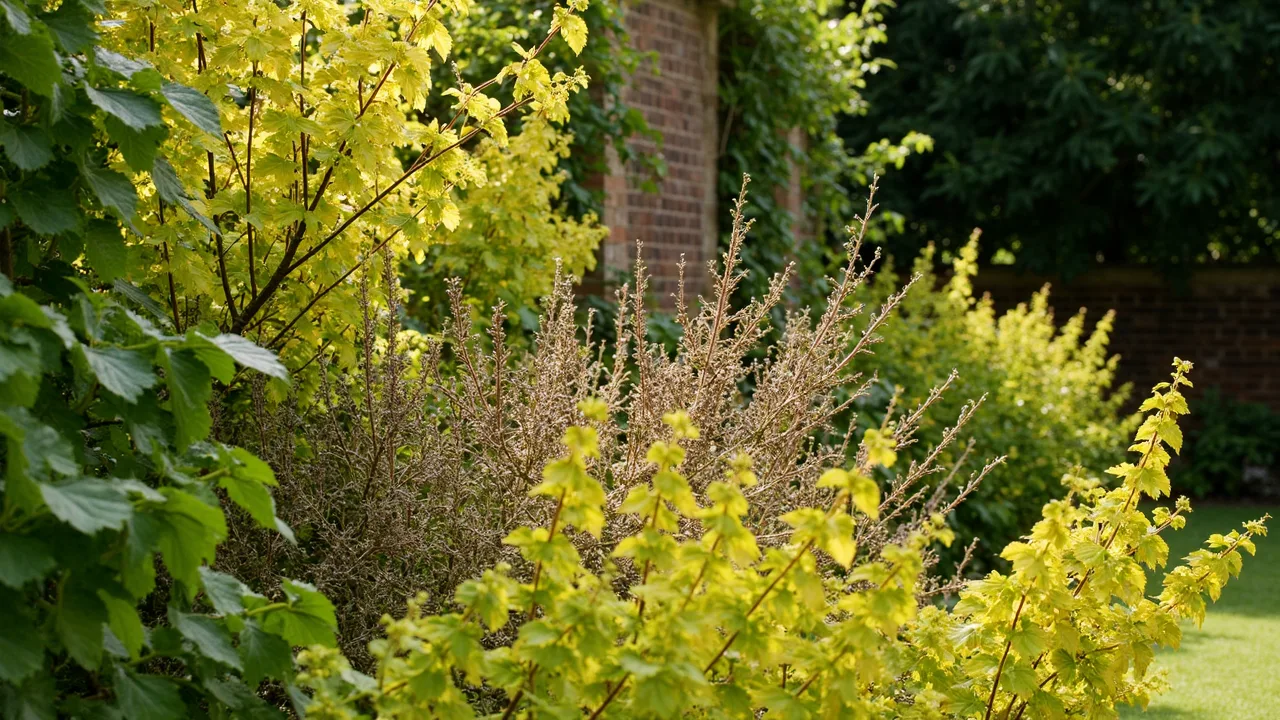
Box blight is the silent thief of many UK gardens, turning once-pristine box hedges into bare, brown skeletons overnight. It’s a fungal disease that’s been a persistent problem since the mid-90s, thriving in our damp summers and spreading through wind, rain, and even your gardening boots. The good news? With the right knowledge and timing, you can protect your box plants and avoid the heartbreak of losing them. This guide cuts through the confusion, giving you practical, UK-specific steps to prevent and manage this relentless disease.
Why Box Blight Thrives in UK Gardens
Box blight (caused by Calonectria pseudonaviculata) exploits the very conditions we love in British gardens: warm, humid summers. In the UK, outbreaks peak between June and August when temperatures hover around 15–25°C and humidity is high, creating the perfect environment for spores to spread. Crucially, the disease doesn’t need wounds to infect plants—it just needs wet leaves or high humidity, which is common in our rainy spring and summer months. Once established, spores can linger in fallen leaves for up to five years, waiting to reinfect your box. This makes early detection and strict sanitation non-negotiable, especially in regions like the South West and Midlands where humidity is naturally higher.
The Susceptibility Trap
Most popular UK box varieties are high-risk. 'English box' (Buxus sempervirens) and 'American box' are particularly vulnerable, often showing symptoms within weeks of infection. Young plants are especially at risk, but even mature hedges can collapse if neglected. The disease starts as small brown spots on leaves, which rapidly turn straw-coloured and drop off, followed by dark lesions on stems. By the time you notice bare patches, the fungus has likely spread through your entire hedge. Don’t confuse this with normal seasonal leaf drop—box blight causes sudden, widespread defoliation, not gradual autumn shedding.
Prevention: Your First Line of Defence
Prevention is the only reliable strategy, as there’s no cure. Start by choosing resistant varieties when planting new box. Opt for Buxus sempervirens 'Suffruticosa' (a compact, slow-growing form) or Buxus microphylla 'Kewensis'—both show significantly better tolerance in UK trials. Avoid 'English' or 'American' box for new hedges, especially in damp areas. Plant in well-drained soil with ample air circulation; box hates sitting in waterlogged soil, which worsens blight risk. Space plants 45–60cm apart to encourage airflow, and avoid planting near existing box hedges or in shaded, sheltered spots where humidity builds.
Key Prevention Steps
- Inspect new plants thoroughly before buying: Check for brown spots or leaf drop on the undersides of leaves. If in doubt, choose UK-grown stock from reputable nurseries (e.g., those certified by the RHS or NFU).
- Water wisely: Always water at soil level in the early morning (not overhead), so leaves dry quickly. This is critical from May to September when humidity peaks.
- Sanitise tools: After pruning box, disinfect secateurs with 70% isopropyl alcohol—spores cling to metal and spread easily.
- Clear fallen leaves immediately: Burn them, don’t compost. Spores survive in compost for years. Do this weekly during summer, especially after rain.
What to Do If You Spot Symptoms
If you notice brown spots, rapid leaf drop, or dark stem lesions (typically in July/August), act fast—but accept that infected plants cannot be saved. Do not try to "treat" them with DIY sprays; fungicides are expensive, hard to apply effectively (box leaves are densely packed), and often fail once symptoms appear. Instead, remove the entire infected plant immediately, including roots, and burn it. Bag all debris in black plastic bags left in the sun for 3 days to kill spores before disposal.
Critical Actions for Infected Plants
- Dig out the entire rootball—spores live in soil for years.
- Disinfect the area with a 10% bleach solution (1 part bleach to 9 parts water) on the soil surface.
- Wait 12 months before replanting box in that spot; use a different plant (e.g., yew or holly) in the interim.
- Never compost or bury infected material—spores will persist and reinfect.
Long-Term Management for Existing Hedges
For hedges already showing mild symptoms (e.g., scattered brown leaves), focus on reducing humidity and preventing spread. Prune out infected stems only during dry, warm weather (avoid wet days), and immediately bag and burn all cuttings. Apply a preventative fungicide before symptoms appear, ideally in late April or early May when new growth starts. UK-approved options include tebuconazole (e.g., Tebuconazole 250g/l), but professional application is recommended—spraying the entire plant, including undersides, is labour-intensive and requires precise timing. Always follow label instructions for UK conditions.
Fungicide Application Tips
- Timing: First application at bud break (late April), then repeat every 2–3 weeks until late June.
- Coverage: Use a high-pressure sprayer to penetrate dense foliage; avoid spraying on windy days.
- Cost: Budget £15–£25 per 10-litre tank for a standard hedge—less than replacing a whole hedge.
- Professional help: For large hedges, hire a trained arborist (check for RHS or FPA accreditation).
Protecting Your Garden’s Future
Box blight won’t disappear, but you can outmanoeuvre it. The key is consistency: inspect your box weekly in summer, clear leaves religiously, and choose resistant varieties. Remember, all box plants in your garden need equal attention—spores spread from one hedge to another. If you’ve had an outbreak, wait 12 months before replanting box in that area, and consider using a physical barrier (e.g., a gravel path) to prevent soil splash. For topiary, replace it with less susceptible plants like Lavandula or Cotoneaster if blight has been severe.
#UKGardening #BoxBlight #BoxHedge #GardenHealth #UKGardenTips #PlantDisease #GardenWizz
As an Amazon Associate, GardenWizz earns from qualifying purchases made through links on this page (including links within the article). This does not affect the price you pay. See our disclaimer for details.