
Cabbage White Caterpillars: Protecting Your Brassicas
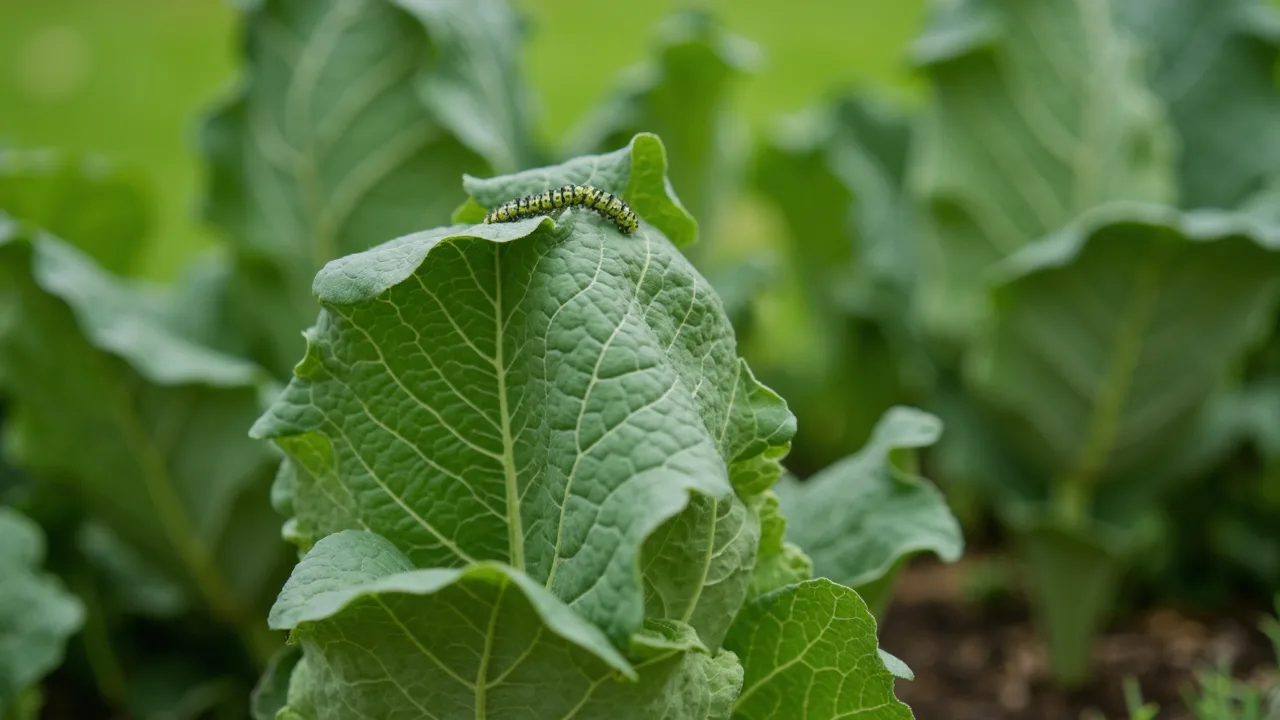
Cabbage white caterpillars are a persistent nuisance for UK gardeners, chewing through brassicas like cabbage, broccoli, and kale with alarming speed. Left unchecked, they can decimate your crop in days, especially during warm springs and summers. The good news? With timely, practical action based on the butterfly’s life cycle, you can protect your plants without resorting to harsh chemicals. This guide cuts through the confusion, giving you clear, UK-seasoned steps to keep your brassicas thriving.
Identifying the Culprit: Caterpillars vs. Butterflies
Don’t mistake the adult large white butterfly (with its white wings and black-tipped forewings) for the problem—it’s the pale green, hairy larvae that cause the damage. You’ll spot these caterpillars on the undersides of leaves, often in groups, feasting voraciously from late April through July. They’re most active on warm, sunny days (above 15°C) and leave telltale signs: skeletonised leaves, frass (caterpillar droppings), and chewed stems. Crucially, the female butterfly lays eggs in clusters on leaf undersides—typically from mid-April to early July—so inspecting these areas weekly is key. Avoid confusing them with cabbage moth caterpillars (which are darker and feed on the upper leaf surface) or caterpillars from other pests like cabbage root fly.
Spotting the eggs early is your best defence. They’re tiny (1–2mm), pale yellow, and turn black within 24 hours of being laid. Check plants like your spring cabbage, kale, or Brussels sprouts every 3–4 days from late March onwards. If you see clusters of these eggs, act immediately—hatching happens within a week, and the first instar larvae (young caterpillars) start feeding right away. For UK gardeners, this means prioritising brassicas planted in early spring (sown March–April) as they’re prime targets for the first brood.
Timing Your Defences: The UK Seasonal Calendar
The large white’s life cycle aligns perfectly with UK growing seasons. The first brood emerges from eggs laid in April (hatching around mid-May), while the second brood hatches from July eggs (appearing in late July–August). This means your most critical window is April–June, especially for early-sown brassicas. In cooler years, caterpillar activity may lag until May, but in warmer springs (like 2022), they can appear as early as mid-April.
Key UK timing actions:
- March–April: Sow brassicas (e.g., 'Green Magic' kale, 'Cavolo Nero' kale) after the last frost (typically late March in most UK zones).
- Late April–May: Inspect plants daily for eggs and young caterpillars. If you spot eggs, remove them by hand or spray with a neem-based solution (see below).
- June–July: Focus on protecting late-sown crops (e.g., summer cabbage) and monitor for second-brood eggs.
- August: After the second brood, clear spent brassica plants to prevent overwintering pupae.
Why this timing matters: The UK’s mild springs allow the first brood to hatch early, but cooler temperatures in April (average 8–12°C) slow initial activity. By May (12–16°C), caterpillars become highly active—so don’t wait until you see leaf damage.
Physical Barriers: Your First Line of Defence
Row covers are the most effective UK-friendly solution for preventing egg-laying. Use lightweight, breathable fine-mesh fabric (like Agribon or horticultural fleece) to create a physical barrier over brassicas as soon as you plant them. Secure the edges with soil or stones to prevent butterflies from slipping underneath. This works best for:
- Early-sown crops (e.g., spring cabbage planted in March)
- Small beds (not large vegetable patches)
- Plants under 30cm tall
How to implement:
- Lay the fabric over seedlings immediately after planting (no later than early April).
- Anchor edges with soil or garden weights—butterflies can squeeze through gaps.
- Leave covers in place until harvest (typically late June for early cabbage) or until you see no caterpillars for two weeks.
- For larger beds, use copper mesh (1mm mesh size) around the perimeter—caterpillars avoid it due to its electrical properties.
UK tip: In coastal areas (e.g., Cornwall), where winds are stronger, use double-layered covers to prevent flapping. For raised beds, frame covers with bamboo canes to avoid crushing plants.
Natural Predators: Harnessing UK Wildlife
Encourage natural predators to control caterpillars without chemicals. Ladybirds (ladybugs) eat eggs and young larvae, while parasitic wasps (like Trichogramma) lay eggs inside caterpillar eggs, killing them before hatching.
How to attract them:
- Plant nectar-rich flowers near brassicas: alyssum, borage, and sweet alyssum (plant in early spring). These attract beneficial insects and provide food for adult wasps.
- Avoid broad-spectrum pesticides—these kill predators too.
- Install insect hotels (with bamboo tubes) in late winter; they provide overwintering sites for wasps.
- Crucially: Don’t remove all caterpillars—some are needed for the ecosystem. Target only those damaging your crops.
UK-specific note: Parasitic wasps are most active in May–June (UK temperatures 15–20°C), so plant nectar flowers before this window. In Scotland, delay planting until late May to align with wasp activity.
Organic Sprays: When Barriers Fail
If caterpillars appear despite barriers, use organic sprays only when larvae are small (under 1cm) and before they cause significant damage. Never spray in hot weather (above 25°C)—it harms plants and beneficials.
Recommended UK sprays:
- Neem oil (e.g., Organic Neem Oil): Mix 1 tsp per 500ml water. Spray every 5 days for 2 weeks. Best applied at dusk to avoid harming bees.
- Pyrethrum-based sprays (e.g., Dipel): Use sparingly (only for severe infestations), as they kill bees. Apply in early morning when butterflies are less active.
- Garlic/chilli spray: Blend 10g garlic, 5g chilli, 1L water. Strain and spray. Effective for mild cases but needs reapplying after rain.
Critical UK timing: Spray only when temperatures are between 10–20°C (typical April–June weather). Avoid spraying on windy days—spray drift harms nearby plants. For example, in a mild April (12°C), spray at 8am when dew is still on leaves.
Crop Rotation & Trap Crops: Long-Term Strategy
Break the pest cycle by rotating brassicas annually. Never plant brassicas in the same spot for two years running—caterpillars overwinter in soil as pupae. Instead, follow brassicas with:
- Legumes (peas, beans)
- Root vegetables (carrots, parsnips)
- Alliums (onions, leeks)
Trap cropping is also effective: Plant fast-growing brassicas like rocket (Eruca vesicaria) or mustard (Brassica juncea) around your main crop. These attract eggs away from your primary plants. For UK gardens, sow trap crops in early April alongside your main brassicas. Harvest trap crops before caterpillars mature (typically by late May), removing the pest source.
UK tip: In northern England (e.g., Yorkshire), use mustard as a trap crop—it tolerates cooler soils better than rocket. Avoid planting trap crops in the same bed as your main crop; keep them 1–2m away to prevent cross-contamination.
As an Amazon Associate, GardenWizz earns from qualifying purchases made through links on this page (including links within the article). This does not affect the price you pay. See our disclaimer for details.