
Designing a Wildlife Pond
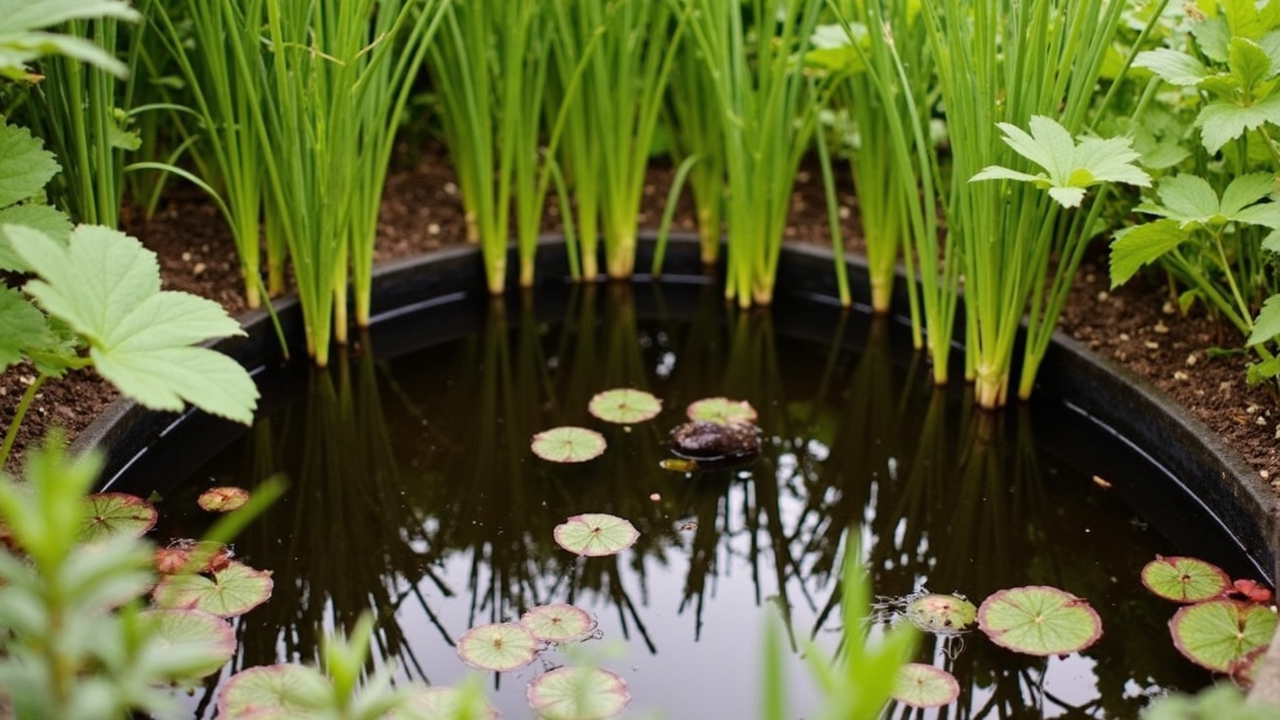
Creating a wildlife pond in your UK garden is one of the most rewarding ways to boost local biodiversity, offering a vital water source for frogs, newts, insects, and birds. It’s simpler than you think, and even a small, shallow depression can become a thriving ecosystem with the right approach.
Planning Your Pond
Choose a spot that gets partial sun (4–6 hours daily) to prevent excessive algae growth but avoids full shade. Avoid placing it under trees to minimise leaf litter. For a typical UK garden, aim for a diameter of 1–2 metres and a depth of 30–50cm in the centre (shallow edges for insects). Crucially, ensure it holds water for at least four months annually—this aligns with the Freshwater Habitats Trust’s UK definition of a wildlife pond.
Key planning checklist
- Location: Near existing plants (for shelter), away from overhanging trees
- Size: 1–2m diameter (small enough for easy maintenance)
- Depth: 30cm shallow edge, 50cm deep centre (no deeper than 60cm)
- Water source: Rainwater collection (no tap water, which contains chlorine)
Building Your Pond
Dig your depression using a spade, creating gently sloping edges for easy access by wildlife. Avoid sharp corners—smooth contours mimic natural ponds. Line the base with a pre-formed rubber liner (eco-friendly, not plastic) or a pond liner, but never use concrete or sealants that harm pond life. For UK gardens, a 50mm liner is sufficient.
Step-by-step building tips
- Timing: Dig in early spring (March–April) when soil is workable but not waterlogged
- Edge treatment: Leave soil exposed at the edge for plants to root into
- Safety: Ensure edges are soft (no sharp rocks) to prevent injury to small creatures
Planting for Wildlife
Use native UK species to attract local wildlife. Plant shallow-edge species like water forget-me-nots (Myosotis scorpioides) and marsh marigolds (Caltha palustris) in early spring. Add oxygenating plants (e.g., hornwort) to keep water clear. Avoid fish—UK amphibians need fish-free ponds to breed, as fish eat frogspawn and newt eggs.
Recommended UK native plants
- Shallow edges: Water forget-me-nots, yellow flag iris (Iris pseudacorus)
- Open water: Hornwort, water crowfoot (Ranunculus aquatilis)
- Shelter: Native reeds (Phragmites) or sedges along the bank
Seasonal Maintenance
UK ponds need minimal upkeep. In spring (March–April), remove excess winter debris but leave some leaf litter for insects. Never use chemicals—opt for natural pond treatments like barley straw to control algae. In autumn, let fallen leaves decompose naturally; they feed microorganisms.
Monthly UK maintenance guide
- Spring: Clear dead stems, add new plants
- Summer: Trim overgrown plants (avoid removing all cover)
- Autumn: Leave leaf litter; reduce feeding for wildlife
- Winter: Ensure ice-free area (use a floating pond heater if needed)
Attracting UK Wildlife
Your pond will naturally attract species like common frogs, smooth newts, and pond skaters. Add a log or rock pile nearby for basking. To encourage birds, place a shallow dish of water near the pond (not in it) for drinking. Never introduce non-native species—this harms UK ecosystems.
Wildlife-friendly additions
- A small, shallow shelf for insects to climb out
- A few stones in the deep end for amphibians to hide
- Native plants in pots around the edge (not in the pond)
A wildlife pond transforms even a small garden into a buzzing hub of life—no fancy equipment needed, just patience and a little British soil. #UKWildlifeGardening #WildlifePond #GardenWizz #UKGardening #PondConservation #NatureFriendlyGarden