
How to Grow Courgettes: Sowing to Harvest
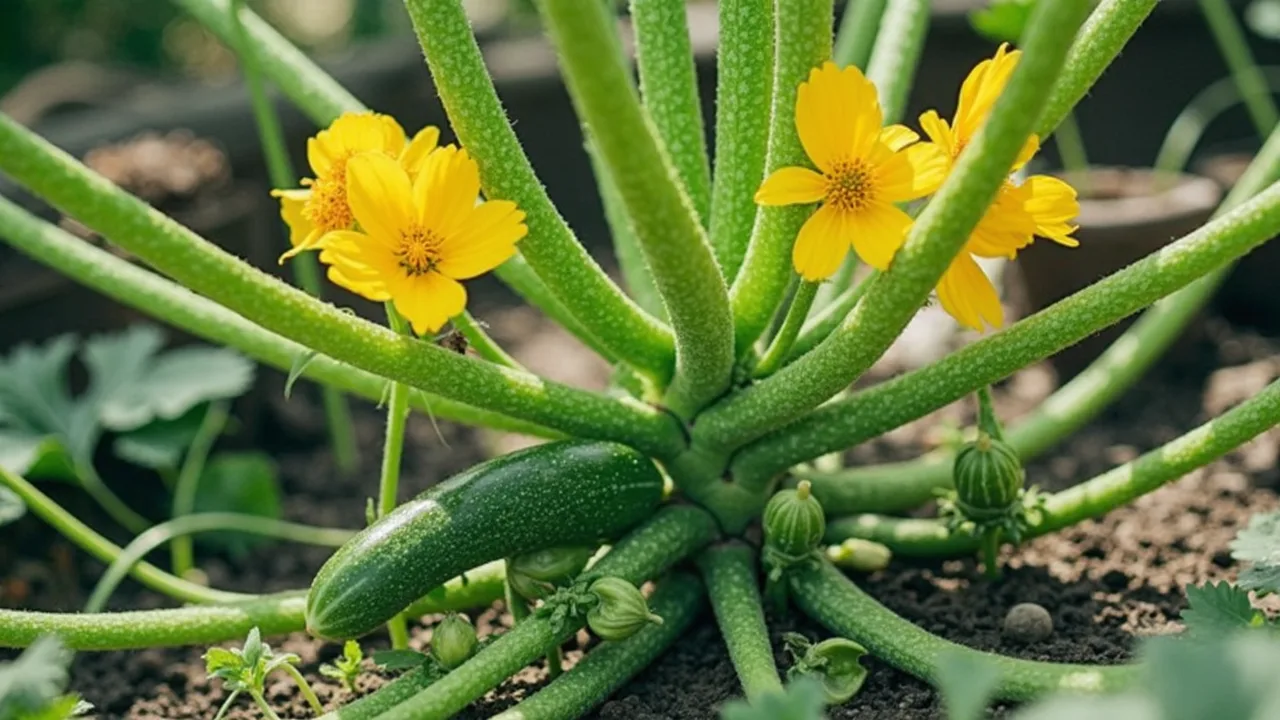
Courgettes are the undisputed stars of the summer vegetable patch, offering abundant, versatile harvests that transform effortlessly from garden to plate. In the UK, their tender, nutty flesh is perfect for grilling, stuffing, or spiralising into low-carb 'zoodles', and with the right timing and care, you’ll enjoy a steady supply from late June through to autumn. Forget the fuss – these vigorous growers reward patience with minimal effort, especially when you align your planting with British seasons.
Choosing Your Courgette Variety
Opt for UK-tested varieties that thrive in our cooler, damper climate. 'Black Beauty' remains the gold standard: a reliable, dark green, cylindrical fruit that matures quickly (around 50 days) and tolerates our variable weather. For a vibrant twist, try 'Gold Rush', a deep yellow variety with a sweeter flavour that’s equally productive. Avoid large, mature marrow types – courgettes are harvested young, typically 15–25cm long, before seeds harden. Never plant near ornamental squashes (like 'Pumpkin' or 'Turban' varieties), as cross-pollination can cause bitterness. Stick to dedicated courgette varieties for safe, delicious harvests.
Sowing & Planting: Timing is Everything
Sow indoors in peat-free pots or modules from late April to early May to beat the UK’s cool spring. Use a seed compost like John Innes Seed, placing 2–3 seeds per pot, 1cm deep, and keep at 18–21°C (64–70°F) on a warm windowsill or heated propagator. Once the first true leaves appear (after 7–10 days), thin to the strongest seedling. Harden off seedlings by placing them outside for 2–3 hours daily, gradually increasing exposure over a week. Plant out mid-May to early June only after the last frost risk (typically mid-April in southern England, late April in the north). Choose a sunny, sheltered spot with well-drained soil – avoid low-lying areas prone to cold air pockets. Space plants 60–75cm apart in rows, or create a 'three sisters' planting with corn and beans for natural support.
Key Planting Checklist
- Soil prep: Dig in 5cm of well-rotted garden compost or manure 2 weeks before planting.
- Position: South- or west-facing, sheltered from strong winds.
- Depth: Plant seedlings at the same soil level as their pot.
- Mulch: Apply a 5cm layer of straw or cardboard around stems to suppress weeds and retain moisture.
Watering, Feeding & Climate Considerations
Courgettes demand consistent moisture but hate waterlogged roots. Water deeply once a week (more frequently in dry spells), focusing on the base to avoid wetting leaves (reducing mildew risk). In the UK’s often unpredictable summers, a 5cm mulch of straw or spent hops is essential to retain soil warmth and moisture. Feed every 3 weeks from mid-June with a balanced organic liquid feed (e.g., comfrey tea or seaweed solution) – dilute to half-strength to prevent leaf burn. Avoid high-nitrogen feeds, which promote leafy growth over fruit. In cooler regions (e.g., Scotland or northern England), grow courgettes in a greenhouse or against a south-facing wall to maximise heat.
Pest & Disease Management: UK-Specific Tactics
Slugs and snails are the biggest threat early on. Place beer traps (shallow dishes filled with beer) or crushed eggshells around plants at dusk. For courgette beetles (common in warm spells), hand-pick adults and larvae daily, or spray with a natural pyrethrum-based insecticide (e.g., Bug Clear). Monitor for powdery mildew on older leaves – improve air circulation by spacing plants widely, and spray with a milk-water solution (1 part milk to 9 parts water) if needed. Crucially, remove any yellowing or diseased leaves immediately to prevent spread. Never leave overripe courgettes on the plant – they attract pests and signal the plant to stop producing.
Harvesting: The Daily Ritual for Best Flavour
This is where UK gardeners often miss out – courgettes must be picked daily when 15–25cm long (about the size of your forearm). Leaving them longer causes bitterness (due to cucurbitacins) and reduces further yields. Harvest using a sharp knife or secateurs to cut the stem, avoiding damage to the plant. The first harvest usually appears late June to early July; by August, you’ll be picking every other day. For the best flavour, harvest in the cool morning – the fruit will be crisper and less likely to wilt. Never store courgettes in the fridge; keep them in a cool, dark place for up to 5 days, or freeze grated courgettes for winter soups.
Troubleshooting Common UK Issues
Bitterness is the most common problem, caused by stress from drought, poor soil, or cross-pollination. If your courgettes taste bitter, stop eating them immediately – it’s a sign of toxic cucurbitacins. To prevent this: ensure consistent watering, enrich soil with compost, and avoid planting near ornamental squashes. If plants are flowering but not setting fruit, gently transfer pollen from male flowers (with thin stems) to female flowers (with a tiny fruit at the base) using a small brush. For leggy, slow-growing plants, apply a liquid seaweed feed to boost energy.
#UKGardening #Courgettes #GrowYourOwn #VegetableGardening #EasyGardening #SummerHarvest #BritishGardening
As an Amazon Associate, GardenWizz earns from qualifying purchases made through links on this page (including links within the article). This does not affect the price you pay. See our disclaimer for details.