
How to Grow Potatoes: From Chitting to Harvest
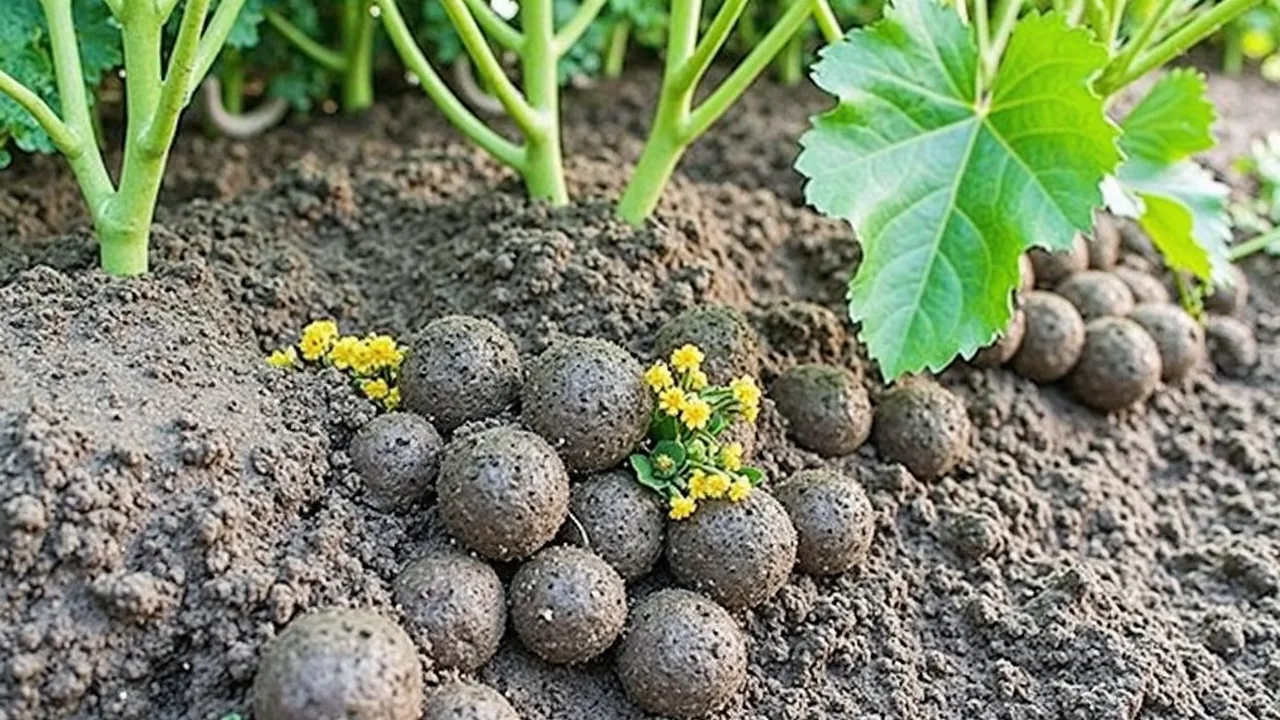
Potatoes are a cornerstone of the British vegetable patch, offering reliable yields and versatility from spring salads to winter stews. With their deep roots in UK gardening history—from the humble garden plot to the iconic 'King Edward'—growing your own is both practical and deeply satisfying. This guide cuts through the noise, giving you the exact steps to succeed in our variable climate, from preparing seed potatoes to harvesting your first crop.
Chitting: Kickstarting Your Crop Early
Chitting—encouraging sprouts before planting—is essential for a head start in our cool, often damp spring. Start in late January or early February, when daylight begins to lengthen. Place seed potatoes (about 4-6 per plant) in a single layer, eyes facing upwards, in a light, cool (10-15°C), frost-free spot like a windowsill or greenhouse. Avoid direct sunlight to prevent leggy growth. You’ll need to chit for 6-8 weeks until sprouts are 1-2cm long and dark green. This process, though simple, significantly boosts yields by 20-30% in UK conditions, as it jumpstarts growth before the soil warms properly. Crucially, never chit potatoes that are already sprouting—this can lead to rot in our cool, wet climate. Always use certified seed potatoes (not shop-bought, which may carry disease) from a reputable supplier; varieties like 'Maris Piper' or 'King Edward' are ideal for UK soil and taste.
Planting: Timing and Technique for Success
Plant your chitted potatoes in early to mid-March, once the soil has warmed to at least 7°C (check with a soil thermometer). Avoid planting too early—frost can kill tender shoots. Dig trenches 15cm deep in well-prepared, well-drained soil (potatoes hate waterlogging). Space rows 75cm apart, and place potatoes 30cm apart within the trench, eyes facing up. Cover with 10cm of soil, then gently firm the surface. For early varieties like 'Rocket' or 'Pink Fir Apple', plant in March; for maincrops like 'Maris Piper', wait until late March or early April. In heavy clay soils, add grit or compost to improve drainage—this is non-negotiable in UK gardens prone to winter saturation. A light mulch of straw or dry grass clippings after planting helps regulate soil temperature and suppress weeds, but avoid plastic sheeting which traps excess moisture.
Key planting checklist
- Soil prep: Dig in well-rotted garden compost or manure the previous autumn.
- Depth: 15cm deep, not deeper—shallow planting encourages earlier harvests.
- Variety match: Early potatoes (plant March), Maincrops (plant late March/April).
- Avoid: Planting in cold, wet soil (risk of rot) or near tomatoes/peppers (shared blight risk).
Ongoing Care: Watering, Weeding, and Blight Watch
Potatoes need consistent moisture but hate soggy roots. Water deeply once a week during dry spells, especially from flowering (June/July), using a soaker hose to avoid wetting foliage (which encourages blight). Weeds compete fiercely for nutrients—hand-pull or hoe carefully around plants when they’re young, but stop once the plants are 15cm tall to avoid damaging tubers. Blight is the UK gardener’s nemesis, thriving in our cool, humid summers. To prevent it:
- Choose blight-resistant varieties like 'Sarpo Mira' or 'Desiree'.
- Avoid overhead watering; water at soil level.
- Remove and destroy any yellowing or spotted leaves immediately—do not compost them.
- If blight strikes, cut back foliage at the first sign of infection to protect tubers.
- Rotate crops annually; never plant potatoes in the same spot more than once every three years.
Harvesting: Timing and Technique for Maximum Yield
Earlies (like 'Rocket') are ready to harvest in June or July, when plants are flowering. Gently lift with a fork, shaking off excess soil—these potatoes have thin skins and are best eaten fresh. For maincrops (e.g., 'Maris Piper'), wait until late August or September, after the foliage has died back naturally. Lift on a dry day to avoid damp tubers that rot in storage. Never harvest during wet weather—this increases disease risk. After lifting, cure potatoes in a cool (10-15°C), dark, well-ventilated place for 2 weeks to toughen skins. Store in a dark, cool (4-7°C), dry place (a root cellar or unheated shed works perfectly) in breathable sacks—never in plastic bags. Remember: green or sprouted potatoes are toxic due to solanine (as noted in potato biology), so discard any that turn green or sprout during storage.
Storage: Keeping Your Harvest Fresh
Proper storage is key to enjoying homegrown potatoes all winter. After curing, place potatoes in a dark, cool, dry location—ideal temperatures are 4-7°C with 90% humidity. Avoid potatoes near apples or onions, as ethylene gas can trigger sprouting. Check weekly for soft spots or mould; remove any affected tubers immediately. For long-term storage (beyond 3 months), use a ventilated container like a wooden crate lined with hessian. In the UK, most maincrop varieties will keep until spring, while earlies are best consumed within 2-3 months. Never store potatoes in the fridge—the cold causes starch to convert to sugar, altering flavour and texture.
#UKGardening #PotatoGrowing #HomeGrown #VegetableGardening #BritishGardens #SustainableLiving #GardenWizz
As an Amazon Associate, GardenWizz earns from qualifying purchases made through links on this page (including links within the article). This does not affect the price you pay. See our disclaimer for details.