
How to Grow Sweet Peas: Sowing to Cutting in the UK
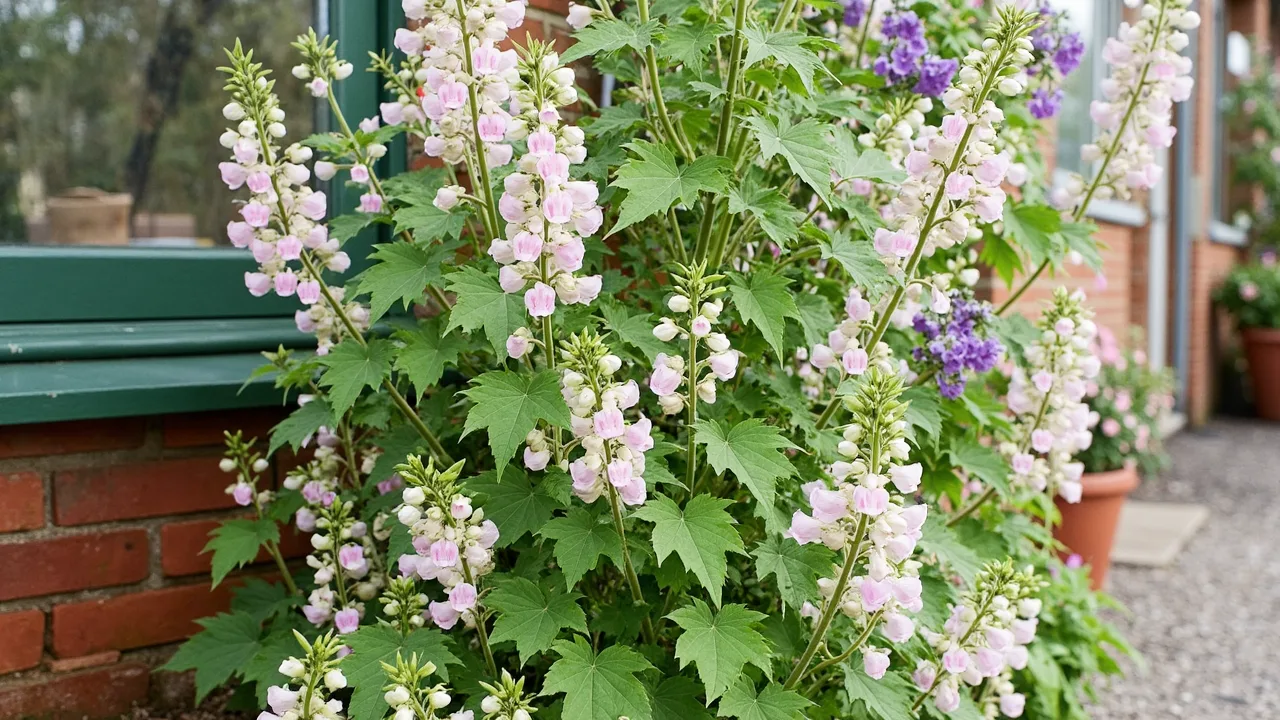
Sweet peas are the quintessential scent of a British summer, their delicate blooms filling gardens and bouquets with a fragrance that transports you straight to childhood memories of cottage gardens. For UK gardeners, they’re a rewarding crop that rewards careful timing and simple care, transforming even a small plot into a fragrant, colour-filled haven. Forget the myth of them being fussy – with the right approach, they’re reliably beautiful from May through to August.
Choosing Your Perfect Sweet Pea Varieties
Selecting the right cultivar is crucial for UK success. Prioritise RHS Award of Garden Merit (AGM) varieties, which have been rigorously trialled for performance in British conditions. These include classic, fragrant types like 'Cupani' (a historic variety with soft pink flowers and strong scent), 'Candy Stripe' (a stunning bicolor with white and pink), and 'Crimson Bat' (a deep red, vigorous climber). For smaller gardens, opt for dwarf varieties such as 'Little Darling' or 'Nana', which reach 30-45cm (12-18in) and thrive in pots or on low trellises. Avoid modern, heavily bred 'double' flowers if scent is your priority – single blooms typically offer the strongest fragrance. Remember, UK summers can be cool and damp, so choose varieties known for resilience, like 'Mauve Beauty' or 'Crimson Perfection', which handle variable weather better than tender types.
Sowing Time & Method: Getting It Right from the Start
Timing is everything for UK sweet peas. Sow seeds in late February to early April (depending on your local frost risk) for blooms by June. Sowing too early in cold, wet soil invites rot; too late misses the peak season. Prepare a cold frame or seed tray filled with moist, well-draining compost (a 50:50 mix of garden soil and compost works well for UK clay soils). Pre-soak seeds overnight in lukewarm water to soften the hard coat, then chip the seed coat with a sharp knife (just nick the edge) to speed germination. Plant seeds 2.5cm (1in) deep, spaced 5cm (2in) apart, and cover lightly with compost. Keep the tray in a cool, sheltered spot (like a greenhouse or porch) until seedlings emerge in 7-14 days. Once true leaves appear, prick out seedlings into individual pots or modules, ensuring they’re not overcrowded.
Key UK sowing checklist:
- Timing: Late Feb–early Apr (avoid frost risk)
- Soil temp: Aim for 5–10°C (41–50°F) for germination
- Preparation: Soak seeds overnight, chip seed coat
- Depth: 2.5cm (1in) deep
- Spacing: 5cm (2in) apart in seed tray
Planting Out & Support: Building a Strong Framework
Once the last frost has passed (typically late April in most UK regions), transplant seedlings into their final positions. Choose a sunny, sheltered spot (south or west-facing is ideal) with fertile, well-drained soil – avoid waterlogged areas common in UK clay soils. Dig planting holes twice the size of the rootball, mix in a handful of organic matter (like well-rotted manure), and space plants 20–25cm (8–10in) apart. Crucially, install support before planting – sweet peas need it from day one. For a classic UK look, create wigwams using bamboo canes (cut to 1.5m/5ft tall), tying them together at the top. Alternatively, use a pea stick frame (a simple grid of canes) or a trellis. Position the support 5–10cm (2–4in) from the plants to avoid damaging roots. Water thoroughly after planting, especially if the weather is dry.
Ongoing Care: Maximising Blooms & Scent
Sweet peas thrive on regular attention. Pinch out the growing tip of each main stem when it reaches 15–20cm (6–8in) tall. This encourages branching, leading to more flowers and a bushier plant – vital for UK gardeners wanting maximum blooms. Deadhead spent flowers every 2–3 days from June to August (the peak flowering period). Simply cut the stem just above the next set of leaves, not just the flower head. This prevents seed formation and redirects energy into new blooms. Feed every 2 weeks with a balanced liquid fertilizer (like tomato feed diluted to half-strength) from May onwards to support heavy flowering. In drier UK summers, water deeply at the base of plants in the evening to avoid wetting foliage, which can encourage mildew.
Pest & Disease Management: Staying Vigilant
UK sweet peas face common pests but are manageable without chemicals. Aphids (greenfly) cluster on new growth – spray with a soapy water solution (1 tsp washing-up liquid per 1 litre of water) every few days. Pollen beetles (small, shiny black insects) disfigure flowers; remove affected blooms by hand. Powdery mildew (a white, dusty coating) appears in humid, crowded conditions – prevent it by spacing plants 20–25cm apart and avoiding overhead watering. If mildew appears, remove affected leaves and improve air circulation. Crucially, plant away from fruit trees (like apples or pears) as ripening fruit releases ethylene gas, which can cause sweet peas to wilt prematurely. For slugs and snails, use organic pellets or copper tape around the base of supports.
Cutting for Bouquets: The Ultimate Reward
The true joy of sweet peas is their scent – and it’s strongest when cut at the right time. Cut stems in the early morning when dew is dry, using sharp, clean secateurs. Choose stems with 2–3 unopened buds at the tip, cutting at a 45-degree angle. Remove lower leaves to prevent rot in the vase. For longer-lasting blooms, place stems in warm water immediately (not cold tap water) and add a teaspoon of sugar or flower food to the vase. Change the water every 2 days and re-cut stems to keep them hydrated. To extend the season, cut flowers regularly (every 2–3 days) – this encourages more buds to form. Remember, UK gardeners can enjoy blooms from mid-May until late August, depending on the variety and weather.
#SweetPeas #UKGardening #GardenWizz #FlowerGrowing #GardenTips #FragrantGardens #BritishGardens
Plants in this guide
As an Amazon Associate, GardenWizz earns from qualifying purchases made through links on this page (including links within the article). This does not affect the price you pay. See our disclaimer for details.