
How to Grow Tomatoes: From Seed to Harvest in the UK
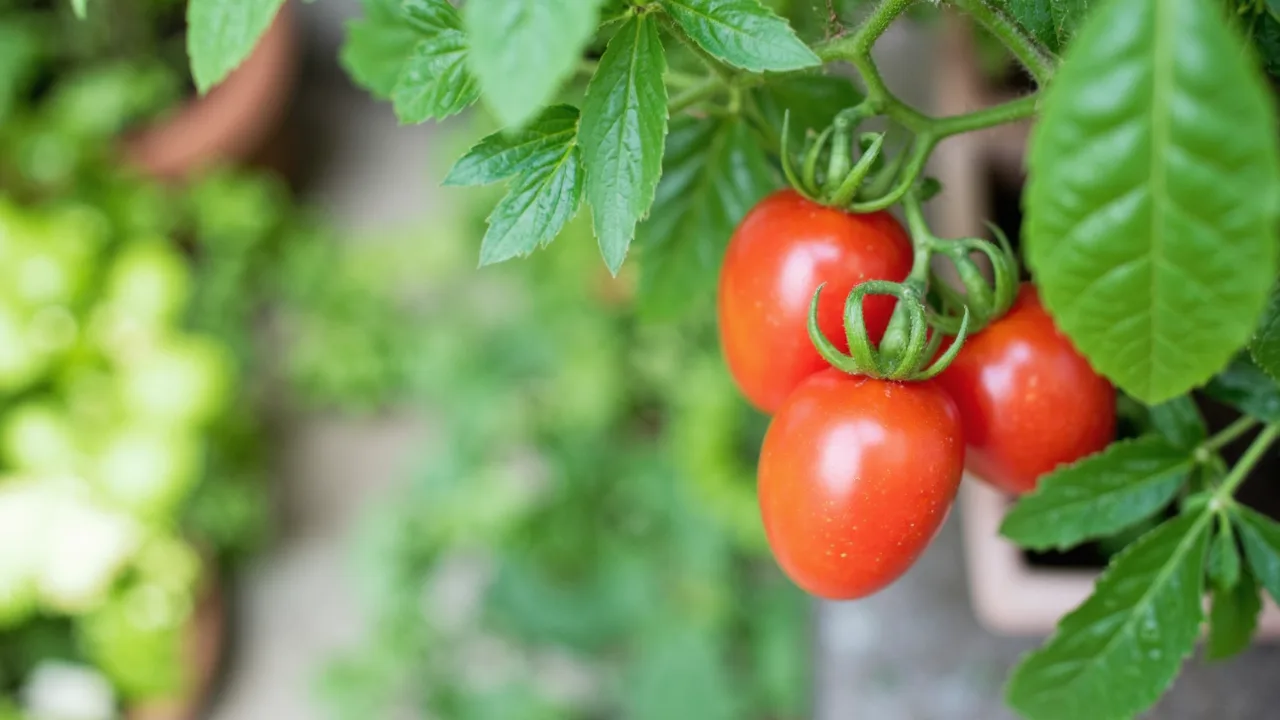
Growing tomatoes in the UK is a rewarding pursuit that transforms your garden into a vibrant hub of summer flavour. With the right timing, varieties, and care, you can enjoy juicy, homegrown fruit even in our temperate climate. Forget the myths about tomatoes being poisonous – they’ve been a staple in British gardens since the 1800s, and with modern varieties bred for our conditions, success is well within reach. This guide cuts through the confusion, giving you clear, UK-specific steps to grow tomatoes from seed to harvest.
Choosing Your UK Tomato Varieties
Selecting the right variety is crucial for UK success. Prioritise those bred for cooler climates, shorter seasons, and disease resistance – avoid early-season varieties that ripen too quickly for our summers. Cherry tomatoes like 'Sungold' and 'Sweet Million' are exceptionally reliable, producing sweet, abundant fruit even in a cool August. For larger fruits, 'Moneymaker' (a classic UK favourite) and 'Costata Romanesco' (a heritage beefsteak with excellent flavour) offer good yields and tolerance to our variable weather. If space is limited, 'Tumbling Tom' (a trailing variety) thrives in hanging baskets or containers on patios. Avoid tender, high-sugar varieties like 'Beefsteak' unless you’re growing them under glass – they rarely ripen fully outdoors in the UK.
- Top UK-Suitable Varieties:
- Cherry: 'Sungold' (earliest, sweetest), 'Sweet Million' (vigorous, reliable)
- Globe: 'Moneymaker' (classic, disease-resistant), 'Costata Romanesco' (flavourful, heritage)
- Container: 'Tumbling Tom' (trailing, perfect for baskets)
Starting Seeds Indoors: Timing is Everything
UK spring weather is unpredictable, so start seeds indoors to give plants a crucial head start. Sow seeds in late February or early March (using a seed tray or small pots filled with multi-purpose compost) – this aligns with the UK’s average last frost date (late April/May in most regions). Plant seeds 0.5cm deep, cover lightly with compost, and keep in a warm spot (18-21°C) like a windowsill or heated propagator. Germination takes 5-10 days. Once seedlings emerge, move them to a bright, cool windowsill (avoid direct midday sun) and thin to one strong plant per pot. Harden off seedlings by placing them outside for increasing periods over 7-10 days, starting with just 30 minutes on a sheltered, wind-protected patio on a mild day (late April onwards), before planting them out.
Planting Out: When and How to Transplant
Plant tomatoes outdoors only after the risk of frost has passed – typically late May or early June in most UK regions (check local forecasts; avoid planting if temperatures are below 10°C). Choose a sunny, sheltered spot protected from strong winds (a south-facing wall is ideal for extra warmth). Dig a hole deep enough to bury the stem up to the first set of leaves (this encourages strong root growth). Space plants 45-60cm apart in rows or 60cm apart in containers. Water thoroughly after planting. For added protection against late frosts or cool, wet weather, cover young plants with a cloche or horticultural fleece for the first 1-2 weeks. Avoid planting in heavy clay soil without improving drainage; raised beds or large grow bags filled with quality compost are excellent alternatives.
Ongoing Care: Feeding, Watering, and Support
Consistent care is key. Water deeply but less frequently (aim for once a week in dry spells, more often in hot weather) – avoid wetting the leaves to prevent disease. Apply a balanced tomato feed (like tomato fertiliser or diluted organic liquid feed) every 7-10 days once flowers appear. Stake plants immediately after planting using bamboo canes or tomato cages (tall varieties like 'Costata Romanesco' need sturdy support). Tie stems loosely to supports with soft twine as they grow, removing side shoots (suckers) on 'indeterminate' varieties (like 'Sungold') to focus energy on fruit production. For 'determinate' varieties (like 'Moneymaker'), pinch out side shoots only if they become very dense. Regularly remove yellowing lower leaves to improve air circulation and reduce disease risk.
Blight Prevention: The UK Gardener's Top Priority
Tomato blight (both early and late) is the biggest threat to UK growers, thriving in our damp, cool summers. Prevention is far better than cure. Choose blight-resistant varieties (marked with 'HR' or 'VF' on the packet – e.g., 'Moneymaker' has resistance to Verticillium wilt). Space plants well for airflow. Avoid overhead watering; water at the base. Mulch generously with straw or black plastic after planting to prevent soil splash carrying spores onto leaves. Remove and destroy any infected leaves immediately (do not compost them). If blight appears, apply a copper-based fungicide (like 'Bordeaux mixture') as a preventative spray before symptoms show, especially during wet periods in June and July. In severe outbreaks, consider using a protective fleece tunnel over plants during prolonged wet weather.
Harvesting for Peak Flavour
Harvest tomatoes when they are fully coloured and slightly soft to the touch but still firm – this is usually from late July through September in the UK. For the best flavour, pick them when they have reached their full colour (deep red, yellow, or orange depending on variety) but before they become overly soft or start to crack. Gently twist or cut the stem. Avoid picking green tomatoes; they rarely ripen well off the vine in our climate. For a continuous harvest, pick regularly – this encourages more fruit to set. Store ripe tomatoes at room temperature away from direct sunlight for best flavour; refrigeration dulls taste. If frost threatens in September, pick any green tomatoes and ripen them indoors in a cool, dark place (like a cupboard) with a ripe apple to release ethylene gas.
#UKGardening #TomatoGrowing #BritishGardening #HomeCrops #GardenWizz #TomatoTips #BlightPrevention
As an Amazon Associate, GardenWizz earns from qualifying purchases made through links on this page (including links within the article). This does not affect the price you pay. See our disclaimer for details.