
Tackling Black Spot on Roses
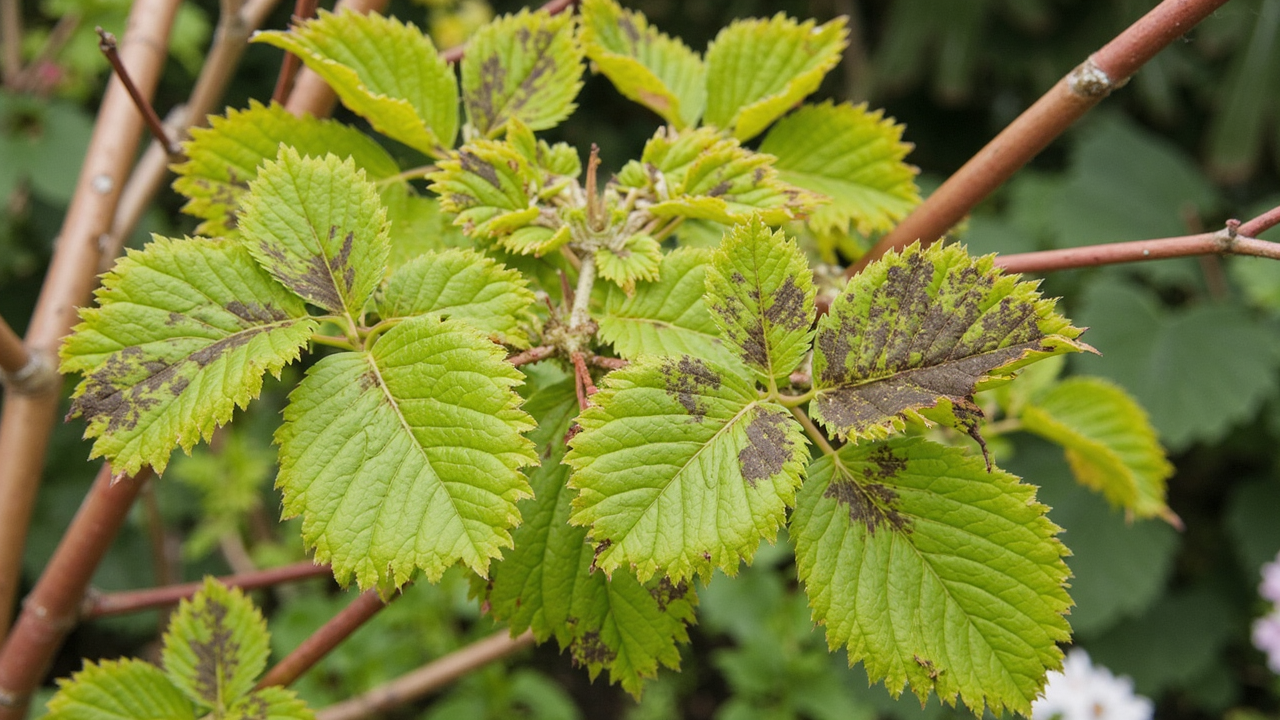
Black spot on roses is a frustrating but manageable issue for UK gardeners, especially during our damp springs and humid summers. This common fungal disease can make your prized blooms look unsightly and weaken the plant over time, but with timely action, you’ll keep your roses looking their best.
Identifying Black Spot Early
Spotting it early is key to stopping the spread.
- Look for small, circular black spots on leaves, often with a slightly ragged edge (up to 14mm across).
- Affected leaves may yellow around the spots and drop prematurely, especially in warm, wet weather.
- Check the undersides of leaves and canes for dark lesions if spots are widespread.
Why It Spreads in UK Gardens
Understanding the conditions helps you outsmart it.
- The fungus thrives in temperatures of 20–27°C (68–80°F) with high humidity—common in UK late spring and early autumn.
- Rain splashes spores onto new leaves, and leaves staying wet for over 7 hours after rain or watering speeds up infection.
- Avoids spreading if temperatures exceed 29°C (85°F) or leaves dry within 7 hours.
Immediate Action Steps
Remove infected material before it worsens.
- Prune and dispose: Cut off all infected leaves and stems (including any dark lesions on canes), placing them in the bin—not the compost.
- Clear fallen leaves: Rake up and discard all dropped leaves from under the rose—this is where spores overwinter.
- Water wisely: Always water at soil level (not leaves) using a soaker hose or watering can, especially during warm spells.
Preventing and Treating the Disease
Consistent care keeps black spot at bay.
- Fungicides: Apply at first sign of spots or when new leaves emerge (typically late April/May). Use products like mancozeb, copper-based sprays, or chlorothalonil.
- Natural options: For organic gardening, spray diluted neem oil (as per bottle instructions) or milk (1 part milk to 3 parts water) every 7–10 days during warm weather (June–August).
- Timing: Repeat treatments weekly until the weather cools in autumn—this is when the fungus is most active (24–32°C / 75–90°F).
#UKGardening #RoseCare #BlackSpot #GardenTips #OrganicGardening #RoseDisease
Recommended Products
SB Plant Invigorator (Bee-Friendly Pest Control)
Helps keep foliage clean through the season
View on Amazon →
As an Amazon Associate, GardenWizz earns from qualifying purchases made through the links above. This does not affect the price you pay. See our disclaimer for details.