
Blueberry 'Spartan'
Vaccinium corymbosum 'Spartan'
The Gardening Year
Best months in UK gardens · full planting calendar →
🖨 Printable care card (PDF)At a Glance
| Botanical name | Vaccinium corymbosum 'Spartan' |
|---|---|
| Common name(s) | Blueberry 'Spartan' |
| Family | Ericaceae |
| Plant type | shrub (deciduous) |
| Height × Spread | 100–150 cm × 100–150 cm |
| Position | Full sun, Partial shade |
| Soil | well-drained, moisture-retentive, acidic soil (pH 4.5-5.5); alternatively peat-free, ericaceous compost |
| Flowering | May–June |
| Toxicity | No specific toxicity is listed by the RHS. This is not a guarantee of safety — check with a vet or the ASPCA before pets or children eat any plant. |
| Native range | Eastern N America |
Overview
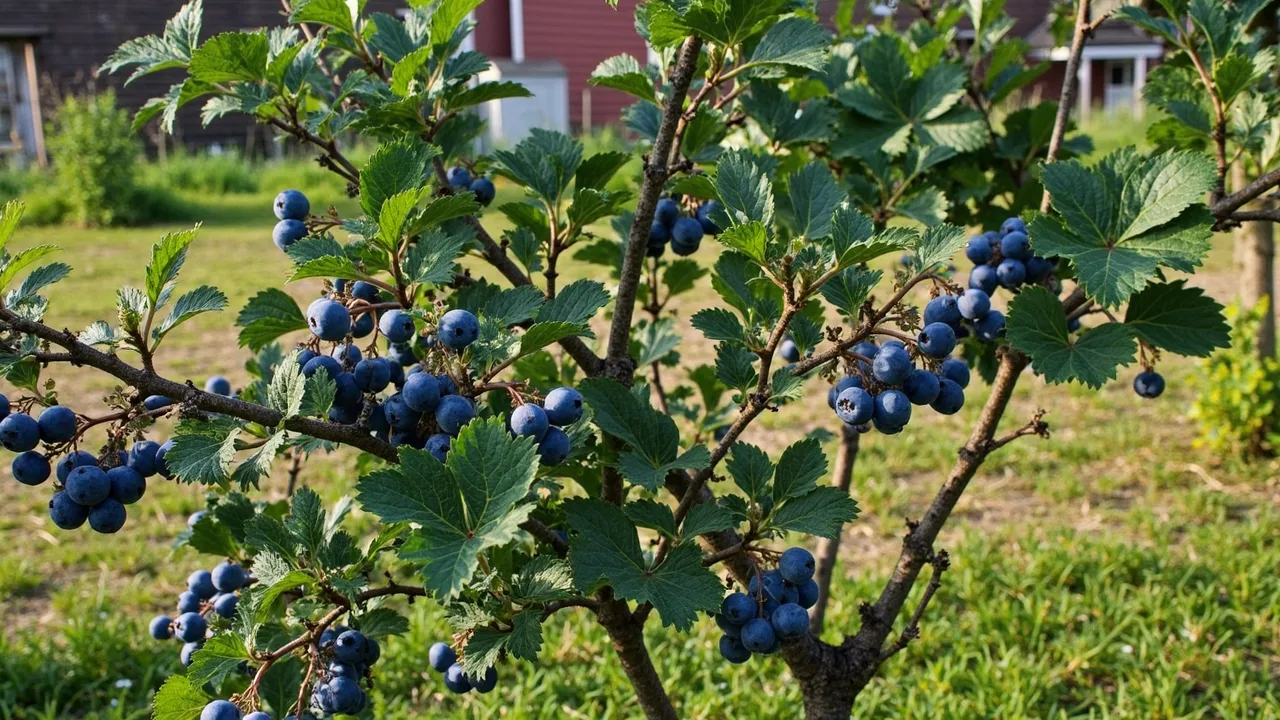
Blueberry 'Spartan' (Vaccinium corymbosum 'Spartan') is a northern highbush blueberry cultivar valued in the UK for its reliable, heavy crops of large, firm berries with a notably tangy-sweet flavour. Released in the late 1970s, it remains a popular choice among British growers because it ripens earlier than many other highbush varieties, helping to spread the blueberry harvest through July and into early August. It suits both allotment rows and garden beds in acidic soil.
Distinctive Features
'Spartan' is distinguished from the species and from many other Vaccinium corymbosum cultivars by its particularly large, sky-blue fruit and an upright, moderately vigorous habit that reaches roughly 1.2 to 1.5 m (4 to 5 ft) at maturity. The berries carry a pronounced, slightly tart edge alongside the typical highbush sweetness, which some growers prefer for cooking and jam-making over the milder, fully sweet modern hybrids. Flowers appear in spring as small, white, urn-shaped bells typical of the species, opening slightly earlier than those of mid-season cultivars such as 'Bluecrop'. The foliage is the standard deciduous, mid-green highbush type, turning yellow and orange in autumn before dropping. The plant sets fruit on older wood, with the heaviest production once the bush is three or four years old. It is largely self-fertile, but cropping is reliably heavier when planted near another early-to-mid flowering corymbosum cultivar such as 'Patriot' or 'Duke'.
Growing Notes
'Spartan' shares the species' demands for acidic soil (pH 4.5 to 5.5), moist but free-draining conditions, and a position in full sun for the best fruit sugar development. In most of the UK it is fully hardy, though late spring frosts can damage the early flowers in cold inland sites — fleece protection at flowering time is worthwhile in such locations. Like all highbush blueberries, it should be planted in autumn or early spring, mulched annually with ericaceous compost or pine bark, and watered with rainwater rather than tap water where possible to keep the root zone acidic. First-year plants benefit from having any flowers removed so the bush channels energy into establishing roots and shoots rather than fruit; light cropping can be allowed from year two, with full cropping from year three onwards. Pruning consists of removing a small proportion of the oldest, least productive stems at the base each winter, leaving a balanced framework of one- to four-year-old wood. Container growing is successful in large ericaceous pots of 40 cm or more, using a mix of ericaceous compost and bark. No routine support is needed; the upright stems carry the crop without staking.
Best Used For
In a UK garden, 'Spartan' earns its place in a dedicated fruit cage, allotment row, or kitchen-garden bed where its large, flavoursome berries can be netted against birds without spoiling the display. It fits well into a mixed shrub border on acidic soil, paired with rhododendrons, azaleas, or camellias that share the same ericaceous requirements. The autumn colour gives a secondary season of interest in ornamental plantings. It is equally at home in a large patio container for courtyards and small gardens, provided ericaceous compost and rainwater are used. The spring blossom provides nectar for bees and other early pollinators, while the ripening fruit is quickly taken by blackbirds and thrushes if not netted. For growers wanting an early-season, traditionally flavoured blueberry for fresh eating, jam, and freezing, 'Spartan' is a sound and widely available choice.
Pests and Diseases
| Problem | Symptoms | Management |
|---|---|---|
| Vine weevil | Notches on leaf margins and wilting or death of container-grown plants due to root damage. | Apply biological nematodes to the compost in autumn and spring, or use a systemic insecticide. |
| Powdery mildew | White, dusty fungal growth on leaves and shoots, potentially causing distortion and reduced vigor. | Improve air circulation, avoid overhead watering, and treat with a suitable fungicide if severe. |
| Root rot | General decline, yellowing foliage, and stunted growth caused by waterlogged or poorly drained soil. | Ensure planting in well-drained, acidic soil or ericaceous compost to prevent waterlogging. |
| Nutrient deficiency (chlorosis) | Yellowing of leaves with green veins, indicating iron or manganese deficiency often linked to high pH. | Maintain soil pH between 4.5 and 5.5 using ericaceous feed and avoid alkaline water. |
| Blueberry rust | Spotting on upper leaf surfaces with corresponding yellow-orange pustules on the underside. | Remove affected leaves to reduce spore spread and ensure good air circulation around the plant. |
For step-by-step help, read Treating Powdery Mildew. Or browse the full plant problem solver to diagnose an issue by symptom.
As an Amazon Associate, GardenWizz earns from qualifying purchases made through links on this page (including links within the article). This does not affect the price you pay. See our disclaimer for details.