
Scale Insects: How to Spot and Control Them
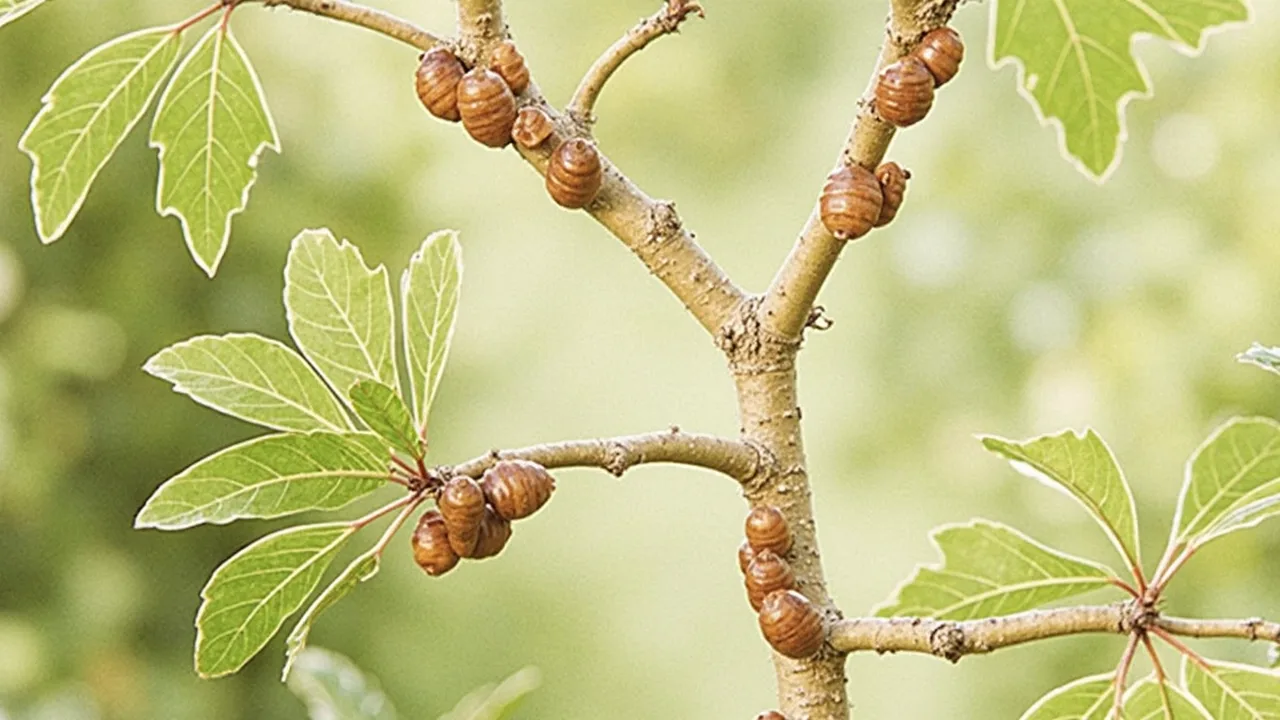
Spotting and tackling scale insects on your UK garden plants doesn’t need to be a nightmare. These tiny, waxy pests cling to leaves and stems, draining sap and leaving a sticky mess that invites sooty mould. The good news? With the right timing and methods, you can keep them at bay without resorting to harsh chemicals. This guide cuts through the confusion, giving you clear, British-seasoned steps to identify, monitor, and control scale on your roses, citrus, and ornamentals.
Identifying Scale Insects on UK Plants
Scale insects are masters of disguise, often looking like harmless bumps or flakes on your plant. You’ll spot them most easily on the undersides of leaves, on stems, or around leaf joints – especially on plants like roses, holly, magnolia, and greenhouse citrus. Look for small, oval, or round bumps (1-5mm across) that feel waxy or cottony, not smooth like a leaf scar. The most common UK culprits are the brown scale (on roses, holly) and cottony scale (on tender shoots, often with a fluffy white coating). Crucially, the crawlers – the tiny, mobile first-instar nymphs – are the only time they’re vulnerable. These are yellow or orange, barely visible to the naked eye, and you’ll spot them moving slowly on leaves or stems, usually in late March to May as temperatures rise above 10°C. If you see sticky, shiny droplets (honeydew) on leaves below, or black, sooty mould growing on that sticky residue, scale is almost certainly the cause.
When to Check and Monitor for Scale
Timing is everything in UK scale control. Don’t wait until you see the full-blown infestation. Start checking your susceptible plants weekly from March onwards, focusing on new growth and the undersides of leaves. Pay special attention to:
- Roses: Check stems and leaf undersides after winter dormancy (March-April).
- Citrus (in greenhouses): Inspect leaves and stems in February-March as they begin active growth.
- Ornamentals (e.g., Magnolia, Holly): Check during April and May when crawlers are active.
- Evergreens: Inspect for scale under the canopy in late winter/early spring (February-March).
If you spot any crawlers (the mobile stage), act immediately. They’re most active when temperatures consistently exceed 10°C, typically from late March through June in most UK regions. Avoid spraying during cold snaps or heavy rain – it’s ineffective and can wash off the product. Remember, scale eggs hatch after the first frost, so winter is not the time to spray; the insects are dormant under their waxy shields.
Effective Control Methods: Targeting the Crawlers
The key to success is targeting the crawler stage with a contact spray. Never spray the waxy adult scale – it’s impervious to most treatments. Here’s how to do it right in the UK garden:
- Choose the Right Product: Use a neem oil-based spray (like Eco-Oil or Bug Clear) or horticultural oil (e.g., Pest Oil). These smother crawlers and disrupt their growth without harming beneficial insects like ladybirds. Avoid general insecticides – they’re useless against scale.
- Apply Correctly:
- Timing: Spray on a dry, calm, sunny morning when temperatures are between 10°C and 25°C (ideal for crawler activity, but avoid midday sun).
- Coverage: Thoroughly coat all leaf undersides, stems, and leaf joints – where crawlers hide. Use a fine mist sprayer. For severe infestations, reapply every 7-10 days for two to three applications to catch newly hatched crawlers.
- Quantity: Mix the product as per label instructions (usually 2-3ml per litre of water for neem/horticultural oil). Over-concentrating can burn plants.
- Physical Removal (Small Infestations): For a few plants or isolated clusters, gently rub scales off with a soft toothbrush dipped in soapy water (1 tsp washing-up liquid per pint of water) before they mature. Do this in April or May when crawlers are active but the scale is still soft. This is highly effective for roses and ornamentals.
Managing Ants: The Unseen Scale Allies
Ants are your scale insects’ worst enemies... and your garden’s biggest problem. They actively farm scale insects, protecting them from predators (like ladybirds) and herding crawlers to new feeding spots in exchange for the honeydew. Ignoring ants will make control impossible. Here’s how to tackle them in the UK:
- Block Ant Paths: Place ant-repellent barriers (like diatomaceous earth or a ring of cinnamon) around the base of infested plants. Reapply after rain.
- Target Ant Nests: Use organic ant baits (e.g., Natures Way Ant Gel or Bayer Ant Control) near nests away from your plants. The ants carry the bait back to the nest, eliminating the colony. Apply in late spring or early summer when ants are active.
- Avoid Ant Attractants: Keep fallen fruit or sugary spills clean – they attract ants to your plants.
Preventing Future Scale Infestations
Prevention is far easier than cure. Build resilience into your garden to deter scale from taking hold:
- Healthy Plants, Healthy Garden: Scale thrives on stressed plants. Water deeply but infrequently (especially in dry spells), feed with organic matter (like well-rotted manure or comfrey tea) in spring and autumn, and prune to improve air circulation (reducing humidity where scale likes to hide).
- Plant Selection: Choose scale-resistant varieties where possible. For example, 'Rosa 'Rugosa' roses are generally less prone than modern hybrids. Avoid overcrowding plants.
- Regular Vigilance: Make weekly scale checks part of your spring routine (starting in March). Early detection means you can use a single spray application instead of multiple.
- Encourage Beneficials: Plant nasturtiums, fennel, or dill to attract ladybirds and lacewings, which prey on scale crawlers. Keep your garden diverse – a healthy ecosystem naturally controls pests.
#UKGardening #ScaleInsects #GardenWizz #OrganicGardening #UKGardenTips #PestControl #GardenProblemSolving
As an Amazon Associate, GardenWizz earns from qualifying purchases made through links on this page (including links within the article). This does not affect the price you pay. See our disclaimer for details.