Delphinium
Delphinium
At a Glance
| Botanical name | Delphinium |
|---|---|
| Common name(s) | Delphinium |
| Family | Ranunculaceae |
| Plant type | perennial (Genus includes annual and perennial species; cultivated hybrids are primarily perennials.) |
| Height × Spread | 10–250 cm × — |
| Hardiness | — |
| Position | Full sun |
| Soil | Moist but well-drained soil; rich in nutrients or improved with well-rotted compost/manure. Avoid poorly drained, permanently wet, or very heavy clay soils without improvement. |
| Flowering | June–July |
| Toxicity | Toxic to humans and livestock |
| Native range | Northern Hemisphere and high mountains of tropical Africa |
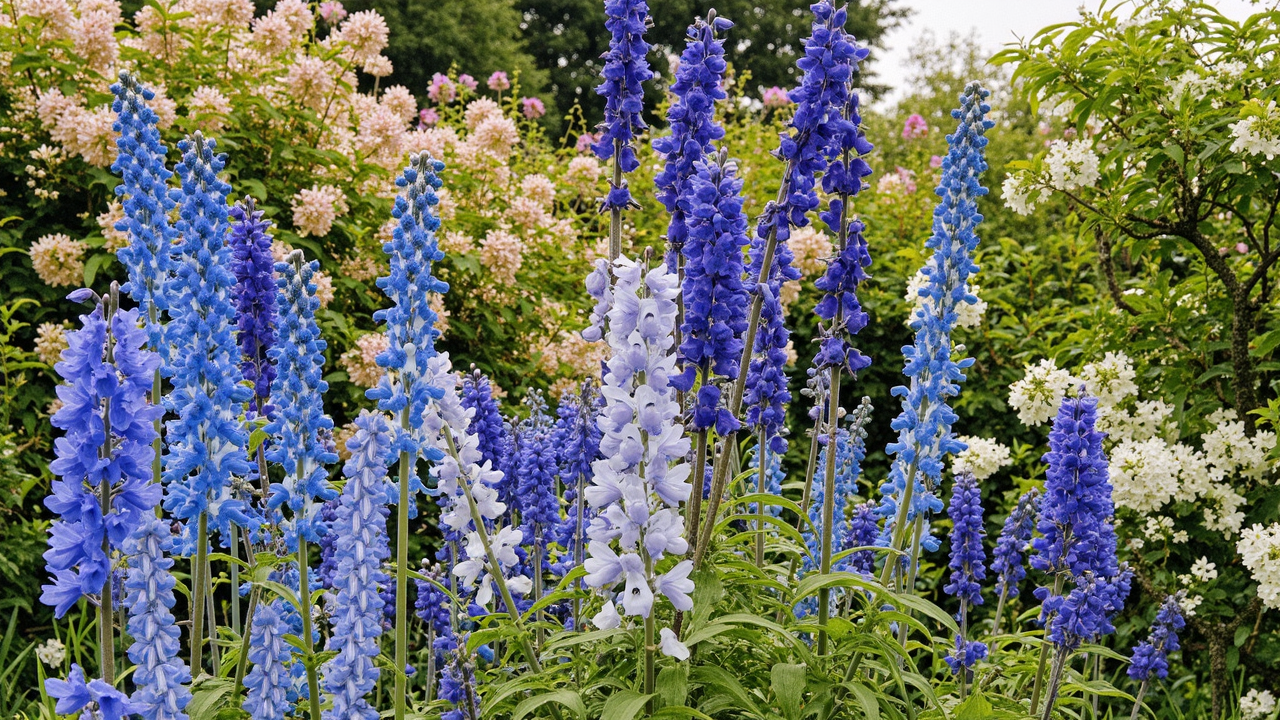
Delphiniums are tall, herbaceous perennials in the buttercup family (Ranunculaceae), grown for their showy spikes of blue, purple, pink, and white flowers. They are a traditional feature of English cottage gardens and remain one of the most statuesque border plants available to UK gardeners. The genus contains both perennial and annual forms, but the border delphiniums derived from Delphinium elatum and its hybrids are the most widely grown.
Overview
Delphiniums are hardy, long-lived perennials that produce vertical flower spikes from early to mid-summer. They are widely cultivated across the UK and suit mixed herbaceous borders, cottage-garden plantings, and dedicated cut-flower plots. Although they demand staking, feeding, and protection from slugs, their flower power in June and July is hard to match, and established clumps can remain productive for many years.
The genus Delphinium is large, but most UK garden delphiniums belong to the Elatum Group (derived from Delphinium elatum) or the Belladonna Group (derived from Delphinium grandiflorum and related species, shorter and more branched). A separate, closely related genus, Consolida (larkspur), provides the annual forms.
All parts of delphinium plants contain toxic alkaloids, particularly delphinine, and are poisonous to humans, livestock, and pets if ingested. Skin contact with the foliage can occasionally cause irritation. Gardeners should wash hands after handling and site plants away from areas used by grazing animals.
Appearance
Delphiniums form a clump of deeply lobed, mid-green basal leaves from which the flower spikes emerge in late spring. The leaves are palmate, divided into five to seven toothed segments, and resemble those of a hardy geranium in outline.
The flowers are borne on tall, densely packed racemes. Each individual flower has five petal-like sepals; the upper sepal is extended backwards into a hollow spur, which gives the plant its common relatives the name "larkspur". The true petals are small and sit at the centre of the flower, often a contrasting colour known as the "eye" or "bee" — white, black, or brown in most cultivars.
Elatum Group delphiniums typically reach 1.5–2.0 m in height under good conditions, with flower spikes that can be 60 cm or more long. Belladonna delphiniums are shorter, usually 0.9–1.2 m, with more branched, airy flower stems. Flower colour ranges from pale sky blue through cobalt, royal blue, lavender, mauve, pink, and pure white. Reds and true yellows do not occur naturally in Delphinium elatum and should be treated with caution when seen in catalogue descriptions.
Growing Conditions
Delphiniums grow best in full sun, in a position that receives at least six hours of direct light in midsummer. They tolerate very light shade but flower more sparsely and tend to grow leggy. Because the flower spikes are tall and brittle, an open site should be sheltered from the strongest winds, or the plants should be staked before the stems reach full height.
Soil should be fertile, moisture-retentive yet well drained. Delphiniums perform poorly on thin, sandy soils that dry out in summer and on heavy, waterlogged clay in winter. A neutral to slightly alkaline pH (around 6.5–7.5) suits them best. Incorporating well-rotted manure or garden compost before planting improves both fertility and water-holding capacity on most UK soils.
RHS hardiness ratings place most perennial delphiniums in category H7 (hardy throughout the UK, including severe winters in northern Scotland). They are fully hardy but emerge early in spring, so late frosts can blacken new growth; affected shoots usually recover and produce a secondary flush.
Planting and Care
Watering. Delphiniums need consistent moisture through the growing season. Water deeply once or twice a week during dry spells rather than little and often, aiming to keep the soil evenly moist but not saturated. Mulching in spring with compost or bark helps conserve moisture.
Feeding. Delphiniums are hungry plants. Apply a general-purpose fertiliser such as growmore or blood, fish and bone in early spring as growth begins, and follow with a high-potash liquid feed (tomato feed is suitable) every two weeks through May and June. An autumn mulch of well-rotted manure around the crown builds fertility for the following year.
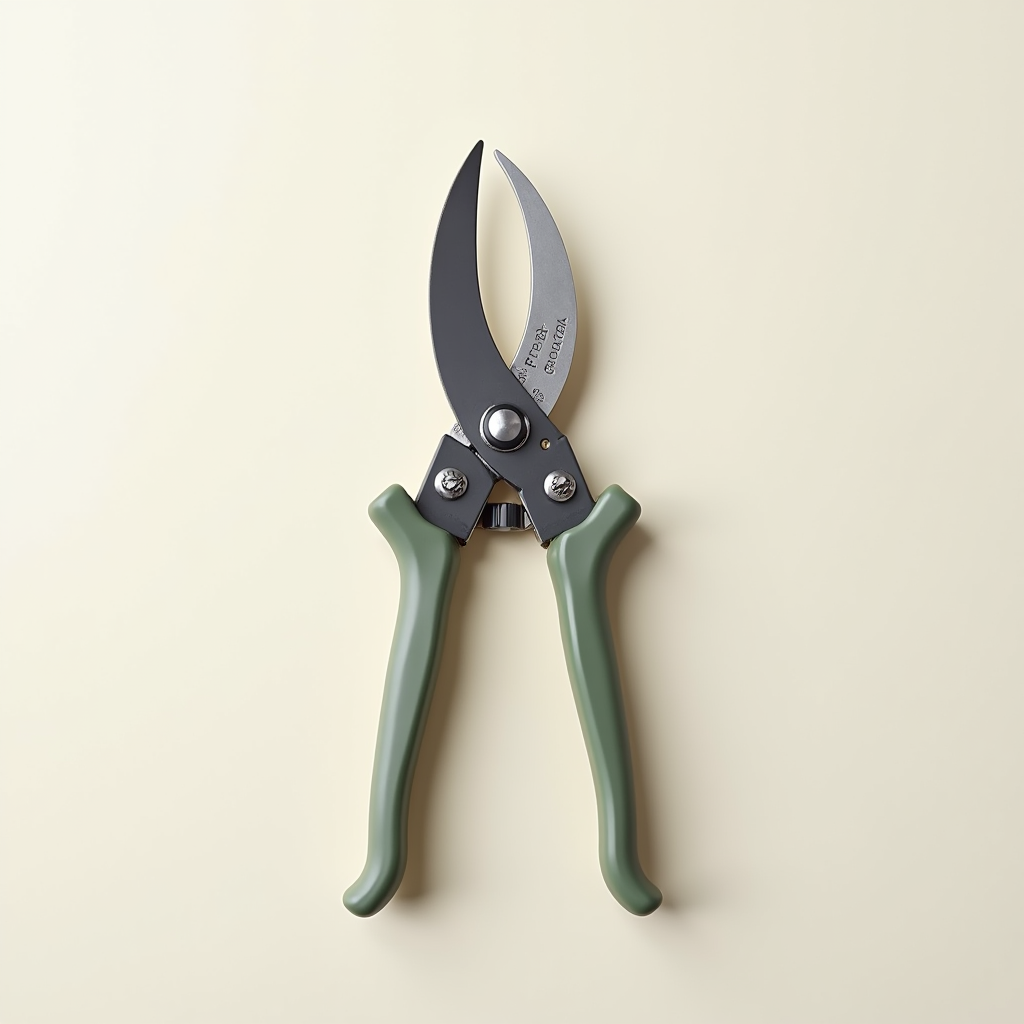
Pruning. Cut the main flower spike down to the lower leaves as soon as the last flowers fade. With adequate moisture and feeding, most plants produce a smaller second flush in late summer. Cut all stems back to within 10–15 cm of the ground in autumn, once growth has died back naturally.
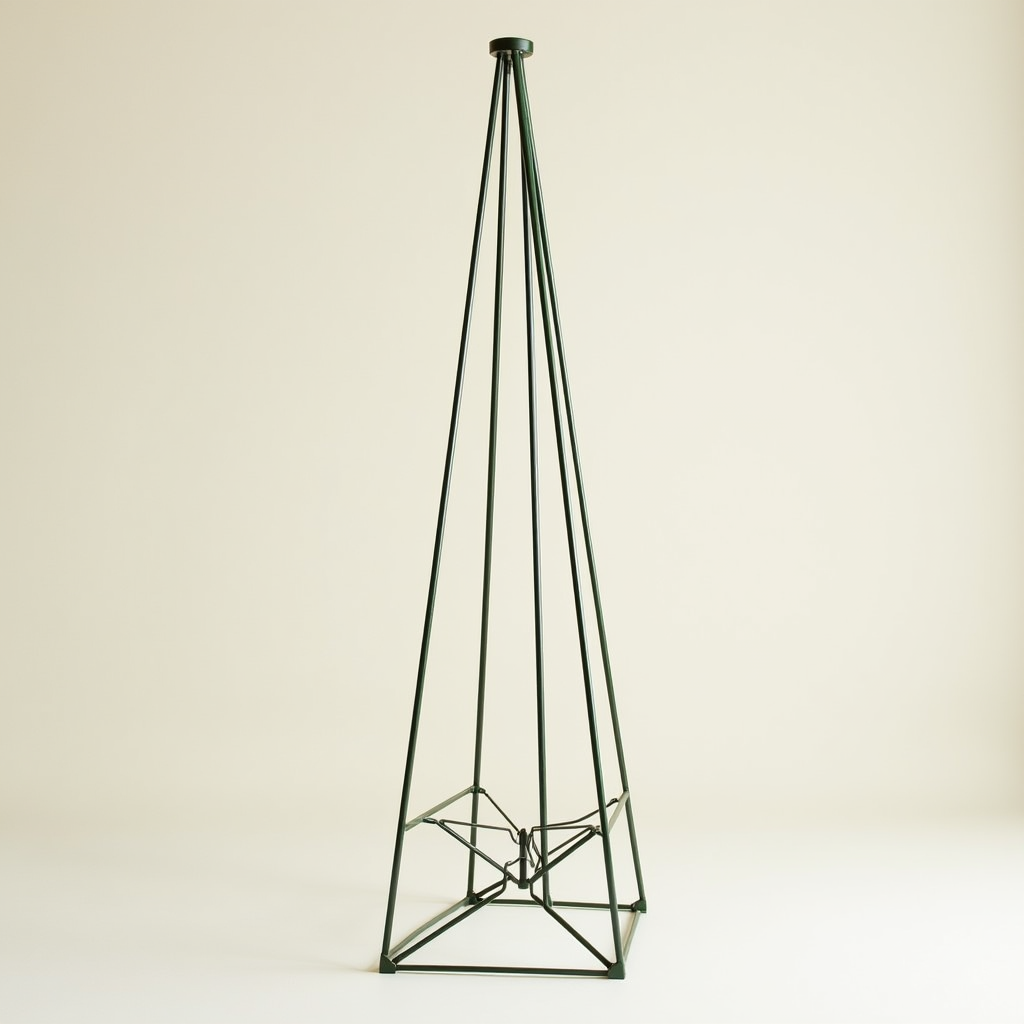
Staking. Place stakes or a supportive frame in position by mid-May, before the stems reach 30 cm. Individual canes with soft twine work for smaller groups; a linked cane or metal ring system is better for larger clumps. Failing to stake is the single most common cause of lost spikes in UK gardens.
Propagation. Mature clumps benefit from division every three to five years, carried out in early spring as new shoots emerge. Lift the plant, cut the crown into sections each with at least one strong shoot and some root, and replant immediately. Basal cuttings taken in spring, 8–10 cm long with the base cut cleanly just below a node, root readily in a 50:50 mix of compost and perlite under cover. Delphiniums can also be raised from seed, but named cultivars will not come true.
Seasonal care. In March, clear away old stems and top-dress with compost. In May, stake and watch for slugs. In June, deadhead the main spike and feed. In September, cut back spent secondary growth. In November, cut down to ground level and apply an autumn mulch.
Common Problems
Slugs and snails are the principal enemy of delphiniums in the UK. New shoots in spring can be reduced to stumps overnight. Regular night-time picking, ferrous-phosphate slug pellets, nematode treatments, and copper rings around clumps all help. Mulches of sharp grit deter surface movement.
Powdery mildew is common in dry summers and on plants under stress. It appears as a white, dusty coating on the leaves from midsummer onwards. Improve air circulation by avoiding overcrowding, water at the base rather than overhead, and remove badly affected leaves. Fungicides based on potassium bicarbonate can be used preventatively.
Crown rot occurs on heavy or poorly drained soils, particularly during wet winters. The crown turns mushy and black, and the plant collapses. Improving drainage before planting and avoiding mulches piled against the crown are the main preventions. Affected plants are best removed and the site not replanted with delphiniums for several seasons.
Viruses, including cucumber mosaic virus and delphinium ring spot, cause yellow mottling, distortion, and stunting. There is no cure; affected plants should be lifted and destroyed, and tools sterilised between specimens.
Cyclamen mite and delphinium moth caterpillar are occasional pests in warmer parts of southern England, causing distorted new growth or stripped leaves respectively.
Popular Varieties
The Elatum Group dominates UK borders. The following named cultivars are widely available from British nurseries such as Hardy Plant Society suppliers, Cotswold Garden Flowers, and the major online plant retailers. Cultivar descriptions are taken from typical catalogue listings and growers' experience; individual performance varies with site and season.
- 'Pacific Hybrids' — a tall, vigorous seed-raised mix in shades of blue, lavender, pink, and white, typically reaching 1.5–1.8 m. Commonly offered as a cost-effective way to establish a delphinium border.
- 'Black Knight' — a classic Elatum cultivar with deep midnight-blue flowers and a black "bee". Tall, often exceeding 1.8 m, and a long-standing favourite in traditional English borders.
- 'Blue Bird' — clear mid-blue flowers with a white bee, widely grown and reliably hardy.
- 'Galahad' — a white-flowered cultivar in the Round Table series, with a contrasting dark bee. Frequently recommended for moon gardens and for cutting.
- 'Astolat' — a tall cultivar in the Pacific Giant tradition, bearing pink to lilac flowers with a contrasting bee.
- Belladonna Group 'Cliveden Beauty' — a shorter, branched form reaching about 1 m, with sky-blue flowers. More tolerant of wind than the Elatum types and often used as a cut flower.
Cultivar names and colour descriptions should always be checked against the supplier's current listing before purchase, as naming and availability shift from year to year.
Pests and Diseases
| Problem | Symptoms | Management |
|---|---|---|
| Black blotch | Dark, shiny brown-black blotches appear on leaves, stems, and flowers, causing foliage to shrivel. | Remove affected plant parts immediately and avoid saving seed from infected plants. |
| Powdery mildew | White, dusty fungal patches spread across leaf surfaces, potentially causing distortion. | Ensure good air circulation and apply a suitable fungicide if infection is severe. |
| Slugs and snails | Irregular holes chewed into young leaves and damage to emerging new growth. | Protect new shoots with physical barriers or use slug pellets around the base of plants. |
| Delphinium moth caterpillars | Caterpillars feed on foliage, leaving visible holes and potentially stripping leaves. | Inspect plants regularly and hand-pick caterpillars as soon as they are spotted. |
Quick Care Summary
| Sunlight | Full sun |
|---|---|
| Soil | Moist but well-drained soil; rich in nutrients or improved with well-rotted compost/manure. Avoid poorly drained, permanently wet, or very heavy clay soils without improvement. |
| Hardiness | — |
| Sow | — |
| Plant | — |
| Prune | — |
As an Amazon Associate, GardenWizz earns from qualifying purchases made through the links above. This does not affect the price you pay. See our disclaimer for details.