A Guide to Companion Planting
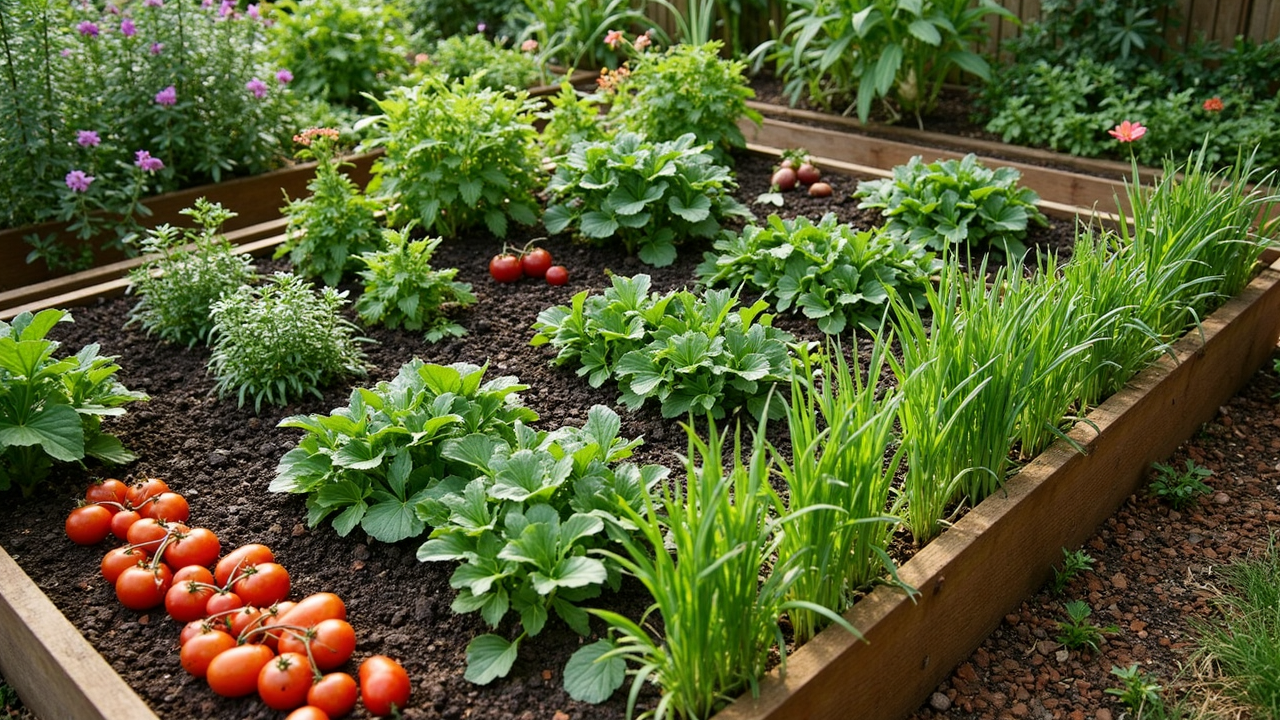
Companion planting is a simple, time-honoured way to boost your UK garden’s health and productivity without chemicals, using nature’s own partnerships. It works by grouping plants that help each other thrive, from deterring pests to enriching the soil, all while fitting seamlessly into your seasonal routine.
The Three Sisters: A Timeless UK Trio
This ancient Native American technique is perfect for UK vegetable patches. Plant sweetcorn, broad beans, and squash together in late spring.
- How it works: Sweetcorn stalks act as natural trellises for beans to climb; beans fix nitrogen in the soil, feeding the corn and squash; squash leaves create a living mulch that shades the soil, conserving moisture and suppressing weeds.
- UK timing: Sow broad beans in autumn (October) or early spring (March), sweetcorn in late spring (May), and squash seeds in early summer (June) after frost risk passes.
- Why it’s ideal for UK gardens: The squash’s broad leaves thrive in our damp springs, while the nitrogen-fixing beans reduce the need for artificial feed in our often clay-rich soils.
Natural Pest Control with Strategic Pairings
Use companion plants to disrupt pests’ behaviour or attract their natural enemies.
- Cabbage & cornflowers: Plant cornflowers (centaurea cyanus) among cabbages in early summer to attract parasitoid wasps (Microplitis mediator), which control cabbage moths. Source: Field trials show this boosts wasp numbers, reducing moth damage.
- Marigolds for aphids: Grow French marigolds (Tagetes patula) near tomatoes or beans. Their volatile oils can suppress aphids by up to 100% within 5 days. Note: Avoid French marigolds near apple trees – they harm beneficial wasps that control codling moths.
- Trap crop for cabbage pests: Plant nasturtiums (Tropaeolum majus) around brassicas (cabbage, kale). Caterpillars prefer nasturtiums, reducing damage to your main crop. Best for small UK plots – less effective at large scale.
Soil Health Boosters: Nitrogen Fixers & Weed Suppressors
Incorporate plants that naturally improve soil conditions.
- Clover as ground cover: Sow white clover (Trifolium repens) between rows of carrots or potatoes in late spring. It fixes nitrogen, suppresses weeds, and reduces cabbage root fly egg-laying (7% vs 36% in bare soil). Tip: Mow clover regularly to prevent it from overtaking crops.
- Rye for weed suppression: Sow winter rye (Secale cereale) in autumn as a cover crop. Its natural chemicals (DIBOA/BOA) inhibit weeds. Mow it in early spring to use as mulch for potatoes or beans.
Avoiding Common Pitfalls
Not all plant combinations work – stick to proven UK-friendly pairings.
- Do not plant: Cabbage family (brassicas) near strawberries or tomatoes (traditional advice; evidence suggests negative interactions).
- Avoid over-reliance: Companion planting alone won’t solve all problems. Combine with crop rotation and healthy soil (e.g., add well-rotted manure in autumn).
- Test small: Try one new pairing (like marigolds with tomatoes) in a small bed before expanding.
#UKGardening #CompanionPlanting #OrganicGardening #GardenTips #UKAllotment #SustainableGardening
As an Amazon Associate, GardenWizz earns from qualifying purchases made through the links above. This does not affect the price you pay. See our disclaimer for details.