Best Plants for Wet and Boggy Soil in UK Gardens
Wet soil can feel like a gardening curse, but it’s a unique opportunity to create a stunning, low-maintenance habitat that thrives where others struggle. Forget trying to drain it – embrace the moisture with plants perfectly adapted to our UK climate, turning a problem area into a haven for wildlife and beauty. This guide cuts through the confusion, offering proven, UK-specific solutions for your boggy patch.
Understanding Your Wet Soil
Wet soil isn't just 'damp'; it's waterlogged for significant periods, often due to poor drainage, clay subsoil, or natural low spots. In the UK, this is most common in spring (March-April) after heavy winter rains and can persist into summer in low-lying areas. Crucially, not all wet soil is the same – check if it's consistently saturated (like a pond edge) or just damp (like a valley floor). Dig a hole 30cm deep in late winter (February-March) and fill it with water; if it takes more than 24 hours to drain, you have true boggy conditions. Avoid planting shallow-rooted vegetables or herbs here – they'll rot. Instead, focus on perennials and grasses evolved to handle saturated roots.
Top 5 UK-Adapted Bog Plants
Choose plants proven to flourish in our cool, wet springs and mild winters, not just tolerate them. Prioritise native species for best results and wildlife benefits.
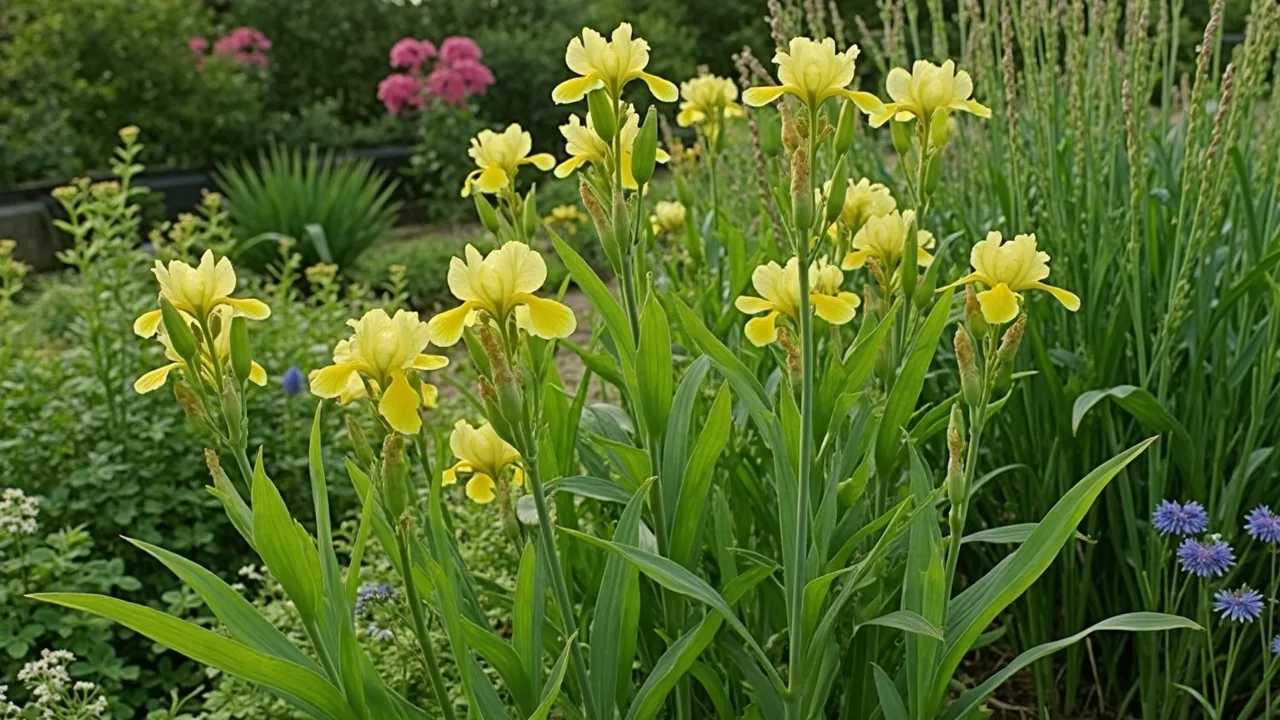
- Yellow Flag Iris (Iris pseudacorus): The classic bog plant, flowering vibrant yellow in June-July. Thrives in full sun to partial shade. Plant 30cm apart in a clump (approx. 5-6 plants per sq m) for impact. Avoid the invasive Iris pseudacorus in some regions – opt for the native Iris foetidissima (Stinking Iris) if concerned, though it has less showy flowers.
- Meadowsweet (Filipendula ulmaria): A native herbaceous perennial with fragrant, creamy-white flowers in July-August. Attracts bees and butterflies. Grows 1-1.5m tall, perfect for the back of a bog garden. Plant 50cm apart in groups of 3-4. Tolerates full sun or light shade.
- Water Forget-Me-Not (Myosotis scorpioides): Forms a charming, low-growing carpet of tiny blue flowers from May to August. Ideal for the front of a boggy border or along a stream edge. Plant 20cm apart in drifts (approx. 10 plants per sq m). Prefers full sun to partial shade and constant moisture.
- Caltha palustris (Marsh Marigold): Bright yellow, cheerful flowers in April-May, thriving in full sun to partial shade. Forms clumps 30-60cm tall. Plant 30cm apart (approx. 8-10 plants per sq m). Crucially, it needs consistently wet soil – don't let it dry out in summer.
- Carex pensylvanica (Pennsylvania Sedge): A versatile, low-maintenance grass for partial shade. Forms a dense, fine-textured clump (30-45cm tall) year-round, adding structure. Plant 25cm apart (approx. 15 plants per sq m). Excellent for filling gaps or creating a naturalistic look.
Planting Your Bog Garden: The UK Way
Planting in wet soil requires specific techniques to avoid compaction and ensure success. Timing is key: Plant bare-root or container plants in early spring (March-April) or late autumn (September-October), avoiding frozen or waterlogged ground.
- Prepare the Site: Clear weeds and debris. If the soil is very compacted (like heavy clay), gently loosen the top 15cm with a fork only where you'll plant – don't dig deeply. Avoid adding sand or gravel; it often creates a 'bathtub effect' trapping water above the clay layer. Instead, create a shallow depression (10-15cm deep) for each plant to hold water.
- Planting Depth & Spacing: Place plants at the same depth they were in their pot or bare-root. For clump-formers like iris or meadowsweet, dig a hole twice the width of the rootball. Backfill gently with soil, firming lightly. Water thoroughly immediately after planting to settle the soil around roots. Space plants according to their mature size (see above) to avoid overcrowding by year two.
- Mulch Wisely: Apply a 5cm layer of well-rotted leaf mould or garden compost around the base of plants, not covering the crown. This retains moisture, suppresses weeds, and feeds the soil naturally. Avoid plastic sheeting – it traps heat and prevents air exchange.
Maintenance: Keeping Bog Plants Thriving
Bog plants need minimal fuss, but smart maintenance prevents issues. Never use high-nitrogen fertilisers – they cause leggy growth and attract pests. Focus on water, weeding, and deadheading.
- Watering: In dry spells (late summer/autumn), top up the bog area with a slow, gentle hose or watering can to maintain saturation, especially for young plants. Avoid heavy, infrequent watering – aim for consistent moisture.
- Weeding: Hand-pull weeds regularly, especially in the first year. Use a sharp knife to cut roots of tough perennials like horsetail at soil level to avoid spreading. Mulch heavily to suppress weeds long-term.
- Deadheading & Pruning: Remove spent flowers (deadheading) for a neater look and to encourage more blooms (e.g., meadowsweet, water forget-me-not). Cut back dead foliage in late winter (February) to make way for new growth. For taller plants like meadowsweet, cut back to 10cm above soil level in late winter; for iris, trim back old leaves after flowering.
- Dividing: Divide clump-forming plants (iris, meadowsweet, sedge) every 3-5 years in early spring (March) when they become overcrowded. Lift the clump, split with a sharp spade, and replant divisions immediately.
Creating a Natural Habitat
Turn your bog into a wildlife sanctuary. Plant in drifts rather than single specimens for a more natural, resilient look. Include a small, shallow water feature (like a natural pond or even a large, shallow bowl) to attract frogs and insects. Avoid chemical pesticides – embrace the natural balance. A well-established bog garden in the UK will attract bees, butterflies, dragonflies, and even frogs, creating a living ecosystem with very little effort once established.
#UKGardening #BogGarden #WetSoilPlants #UKGardeningTips #NativePlants #WildlifeGarden #GardenWizz
Plants in this guide
As an Amazon Associate, GardenWizz earns from qualifying purchases made through links on this page (including links within the article). This does not affect the price you pay. See our disclaimer for details.