
Root Rot: Why Plants Wilt and How to Save Them
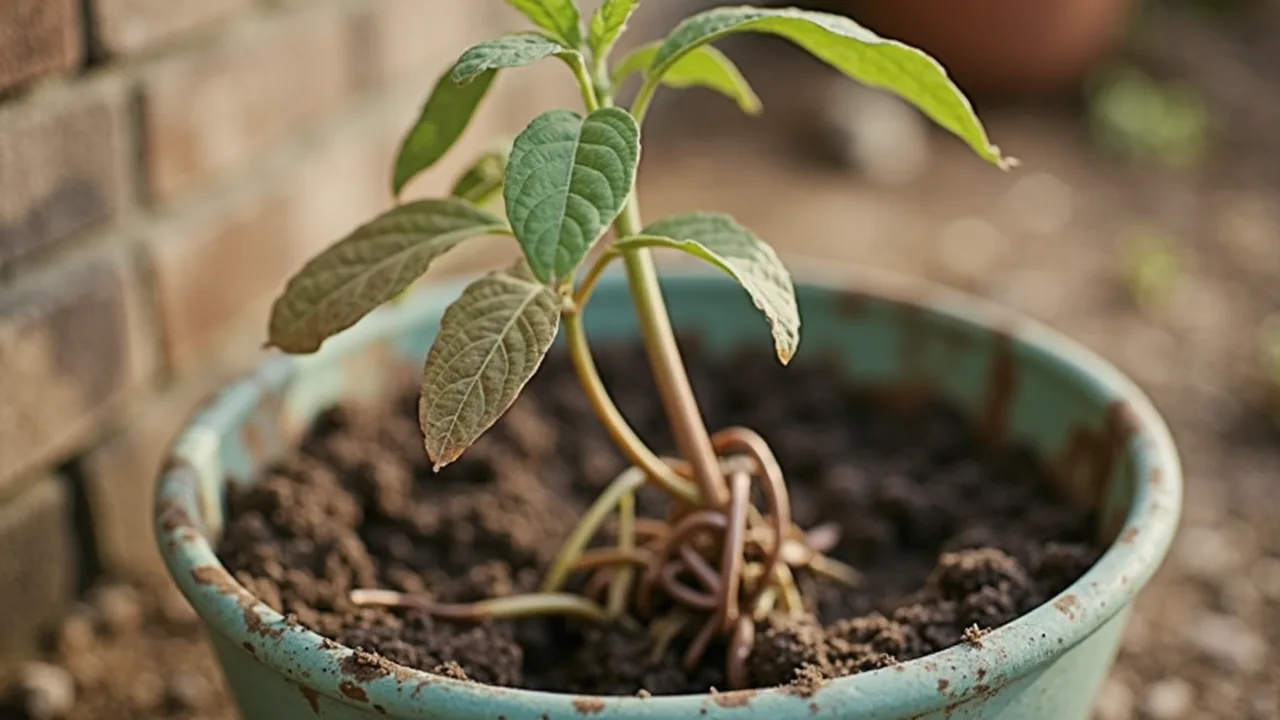
Root rot strikes fear into every gardener’s heart, turning vibrant plants into limp, yellowing casualties overnight. In the UK’s damp climate, it’s a common culprit behind wilting bedding plants or drooping houseplants, often mistaken for drought stress. The good news? Prevention is straightforward, and early action can save your favourite plants. Let’s tackle this head-on with practical, UK-specific solutions.
Recognising Root Rot Early
Root rot isn’t always obvious at first. In UK gardens, it often masquerades as general decline, especially in spring after wet winters or in autumn when rainfall increases. Look for yellowing leaves that feel soft and limp (not crisp), not just the usual seasonal drop. For outdoor plants like roses or lavender, check the soil surface: if it’s waterlogged for days after rain, roots are likely suffocating. Indoors, a potted fern or peace lily wilting despite moist soil is a classic sign. Crucially, gently lift the plant to inspect the roots – healthy ones are firm and white; rotting roots are brown, mushy, and smell faintly sour. Don’t wait for leaves to drop; act when you notice the first signs of yellowing, typically from late March to May or October to November when UK soils hold moisture.
Key Symptoms to Watch For
- Outdoor plants: Sudden leaf yellowing on mature plants (e.g., roses, shrubs) without visible pests, especially after heavy rain.
- Indoor plants: Wilting despite damp soil, with leaves dropping from the base upwards.
- Root check: Roots that crumble when touched or emit a musty smell.
Why UK Gardens Are Particularly Vulnerable
Our cool, wet climate and common clay soils make root rot a persistent threat. UK soils, especially in the Midlands and South, retain water for days after rain – perfect conditions for pathogens like Phytophthora cinnamomi (a common UK soil-borne culprit). Overwatering is the biggest human error: gardeners often water potted plants like geraniums or herbs in March or October, thinking they need more moisture, but UK soil is still cold and slow to drain. Using heavy garden soil in pots (e.g., digging straight from the border) is another UK mistake – it compacts and blocks drainage. Even outdoor plants like rhododendrons, which prefer acidic, well-drained soil, suffer if planted in poorly prepared clay beds. Remember: UK plants evolved for damp conditions, but excess water is the killer.
Prevention: Potting & Soil Fixes for UK Conditions
Preventing root rot is far easier than curing it. Start with potting mix: never use garden soil in containers. UK gardeners often make this error, leading to compaction. Instead, use a pre-mixed, well-draining compost like John Innes No. 2 (for established plants) or a cactus mix for succulents. For outdoor beds, amend clay soil with 30% sharp sand or grit before planting (aim for late February or early March, when soil is workable but not waterlogged). For containers, always add drainage holes – if repotting, drill holes if needed. Place pots on feet or saucers with pebbles to lift them off wet surfaces. For UK-loving plants like lavender or rosemary, use a gritty mix (50% compost, 50% grit) to mimic their Mediterranean origins. This is non-negotiable for plants prone to rot.
Essential UK-Ready Potting Mixes
- For most containers: 2 parts John Innes No. 2 + 1 part horticultural grit (e.g., 10kg mix needs 2.5kg grit).
- For moisture-sensitive plants (e.g., lavender): 1 part ericaceous compost + 1 part sharp sand.
- Avoid: Peat-heavy mixes without grit – they hold too much water in UK conditions.
Watering Wisely: UK Seasonal Timing
Water only when necessary, not on a schedule. UK soil moisture varies wildly: in early spring (March–April), soil stays cold and wet, so skip watering until it feels dry 2–3cm down. In autumn (September–October), rainfall often suffices – check soil before watering. A simple test: insert your finger into the soil up to the second knuckle. If it feels damp, wait. For potted plants, lift the pot – a heavy pot means waterlogged soil. Outdoor plants like roses need deep watering every 7–10 days in dry spells (June–August), but never after heavy rain. For indoor plants, reduce watering in winter (November–February) – a geranium might need water only every 3 weeks if the room is cool.
Saving Plants: Immediate Action for Early Cases
If you catch root rot early (before leaves drop), you can save the plant. For outdoor plants: gently dig up the plant, shake off excess soil, and trim all rotten roots with sterilised secateurs (clean with 70% alcohol first). For UK gardeners, do this in dry weather (e.g., a warm day in April or May). Replant in fresh, well-draining soil amended with grit. For potted plants: remove the plant, rinse roots under lukewarm water, cut away all soft, brown roots, and repot in a new mix (see above). Do not add fertiliser – it stresses the plant. Place the plant in a bright, airy spot but out of direct sun for 2 weeks. If roots are severely damaged, focus on saving healthy stems via cuttings (see below).
Propagation: Saving Plants When All Else Fails
When root rot is advanced, propagation is your best hope. This works well for UK garden staples like geraniums, lavender, or pelargoniums. Take 10cm cuttings from healthy stems (late spring or early autumn), strip lower leaves, and dip in rooting hormone. Plant in a mix of 50% perlite and 50% peat-free compost. Keep in a warm, shaded spot (not direct sun) and mist lightly. Roots should form in 3–4 weeks. Avoid propagating plants like rhododendrons from cuttings if roots are rotted – they’re high-risk. For UK gardeners, this is a practical last resort: a single geranium can yield 5 new plants, saving your colour scheme without buying new stock.
Propagation Checklist for UK Plants
- Best candidates: Geraniums, lavender, rosemary, fuchsia.
- Timing: Late April to early June (warm, stable weather).
- Cutting prep: Use sharp, clean tools; take cuttings from non-flowering stems.
- Rooting mix: 50% perlite + 50% peat-free compost (never garden soil).
- Aftercare: Keep moist but not soggy; place in indirect light.
Root rot is a common UK gardening challenge, but with smart prevention and quick action, you’ll keep your garden thriving. Remember: UK soil is naturally moist, so err on the side of dryness. Your plants – and your peace of mind – will thank you.
Plants in this guide
As an Amazon Associate, GardenWizz earns from qualifying purchases made through links on this page (including links within the article). This does not affect the price you pay. See our disclaimer for details.