
Boston Fern
Nephrolepis exaltata · Sword Fern
🪴 Indoor Seasonal Care
How this houseplant's needs shift through the year indoors.
💡 Unlike most houseplants, never let a Boston fern dry out - keep it evenly moist year-round and mist for humidity.
🖨 Printable care card (PDF)At a Glance
| Botanical name | Nephrolepis exaltata |
|---|---|
| Common name(s) | Boston Fern, Sword Fern |
| Family | Nephrolepidaceae |
| Plant type | fern (Lush evergreen fern grown for arching feathery fronds; loves humidity and hates drying out.) |
| Height × Spread | 30–90 cm × — |
| Position | Partial shade, Full shade |
| Light (indoors) | Bright to medium indirect light; tolerates shade. No direct sun, which crisps the fronds. |
| Humidity | High — the key to success. Mist often, use a pebble tray or humidifier; it suits a steamy bathroom. |
| Pet safety | Considered non-toxic to cats and dogs by the ASPCA — pet-safe. As with any plant, discourage nibbling to avoid mild upset. |
| Soil | Peat-free houseplant compost kept consistently moist (never soggy or bone-dry). |
| Flowering | — |
| Toxicity | Not known to be toxic; discourage children from eating houseplants. |
| Native range | — |
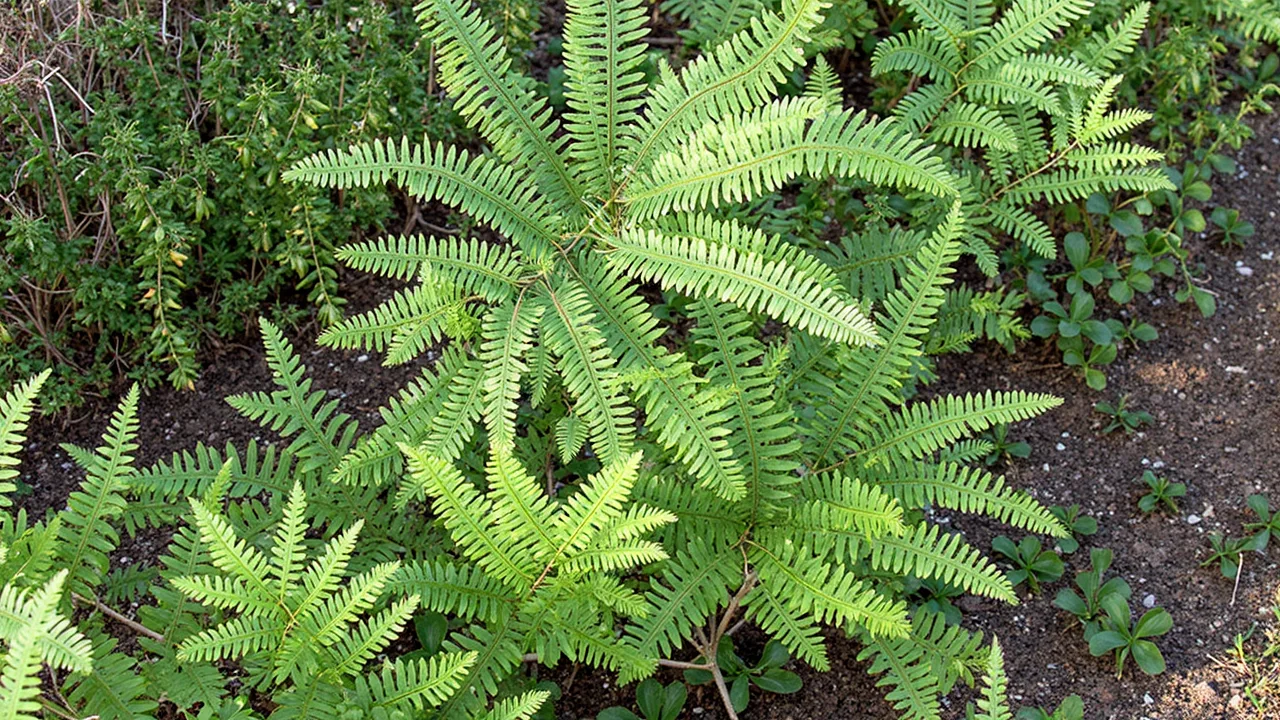
The Boston Fern (Nephrolepis exaltata) is a classic, lush evergreen fern prized for its graceful, arching feathery fronds that add a touch of tropical elegance to any indoor space. Its success hinges entirely on consistent humidity and careful moisture management, making it a rewarding but sometimes demanding companion for UK indoor growers. Unlike many houseplants, it truly thrives in steamy environments and will visibly suffer if allowed to dry out.
Light
Boston Ferns thrive in bright, indirect light, such as that found a few feet away from a south or east-facing window in a UK home. They tolerate medium indirect light well, making them suitable for rooms with north-facing windows or further back from brighter windows. Crucially, avoid all direct sunlight, whether through a window or reflected off surfaces, as this will rapidly crisp and brown the delicate fronds. If your fern is placed in a room with very low light, it may become leggy and lose its lush density, but it will not suffer the immediate damage that direct sun causes. Rotate the pot a quarter-turn every few weeks to ensure even growth and prevent the plant from leaning towards the light source.
Watering
Maintaining consistently moist soil is the absolute cornerstone of Boston Fern care; the plant hates both bone-dry conditions and waterlogged roots. Water thoroughly when the top inch of the peat-free compost feels dry to the touch, ensuring water drains freely from the pot. Never let the soil dry out completely, as this causes rapid browning of fronds from the tips downwards. Equally, avoid letting the plant sit in standing water, which leads to root rot – a common cause of death for this fern. During the UK's drier winter months, especially with central heating on, you may need to water more frequently than in spring/summer, but always check the soil moisture first rather than adhering to a strict schedule.
Humidity and temperature
High humidity is non-negotiable for a healthy Boston Fern; it’s the single most important factor in its success. Aim for humidity levels above 50%, ideally closer to 60-70%, which mimics its natural tropical habitat. The most practical UK indoor solutions are: placing the pot on a pebble tray filled with water (ensuring the pot sits above the water level), using a dedicated humidifier (especially beneficial during winter heating), or positioning it in a steamy bathroom where you shower. Misting the fronds daily with room-temperature water can offer temporary relief but is insufficient alone; it should be combined with a pebble tray or humidifier for consistent humidity. Keep the fern away from cold draughts near windows or doors and maintain a stable temperature between 15-24°C (59-75°F), as sudden drops or excessive heat will stress the plant.
Feeding and repotting
Feed your Boston Fern with a balanced, water-soluble liquid houseplant fertilizer diluted to half-strength during the active growing season (spring and summer). Apply every 2-4 weeks, but skip feeding in autumn and winter when growth slows. Over-fertilizing can cause salt build-up in the compost, leading to brown frond tips. Repot only when the roots become tightly bound or the plant visibly outgrows its pot, typically every 2-3 years. Choose a pot only slightly larger than the current one (1-2 inches wider) and use fresh, well-draining peat-free compost. The best time to repot is in early spring, before the main growing season begins.
Propagation
Boston Ferns are easily propagated through division, the most reliable method for indoor growers. The best time to divide is during spring repotting. Gently remove the plant from its pot and carefully separate the root ball into smaller sections, each with a healthy clump of roots and several fronds. Plant each division in fresh peat-free compost in a pot of appropriate size. Keep the newly divided plants in high humidity and consistently moist soil, ideally under a plastic bag or in a propagator, until new growth appears. Avoid propagating from spores, as this is complex and unreliable for home growers.
Common problems and how to fix them
Browning frond tips or edges are almost always caused by low humidity or inconsistent watering. Increase humidity immediately using a pebble tray or humidifier, and double-check your watering routine to ensure the soil never dries out. Yellowing fronds typically indicate overwatering or poor drainage. Check the roots for rot (mushy, black roots) – if present, repot into fresh compost with better drainage, trimming away any rotten roots. If roots are healthy but fronds yellow, reduce watering frequency. Drooping or wilting fronds usually signal the plant is too dry; water thoroughly and increase humidity immediately. Avoid moving the plant frequently, as it dislikes disturbance.
Is it toxic to cats and dogs?
The Boston Fern is considered non-toxic to cats and dogs by the ASPCA, meaning it is classified as pet-safe. However, as with any houseplant, it’s advisable to discourage pets from nibbling on the fronds, as ingestion might cause mild gastrointestinal upset such as vomiting or diarrhoea. Similarly, the plant is not known to be toxic, but children should be discouraged from eating any houseplants. If your pet or child ingests a significant amount of the fern and shows signs of distress, contact your veterinarian or the Animal PoisonLine (01206 798223) immediately.
As an Amazon Associate, GardenWizz earns from qualifying purchases made through links on this page (including links within the article). This does not affect the price you pay. See our disclaimer for details.