
Gardening Jobs for September in the UK
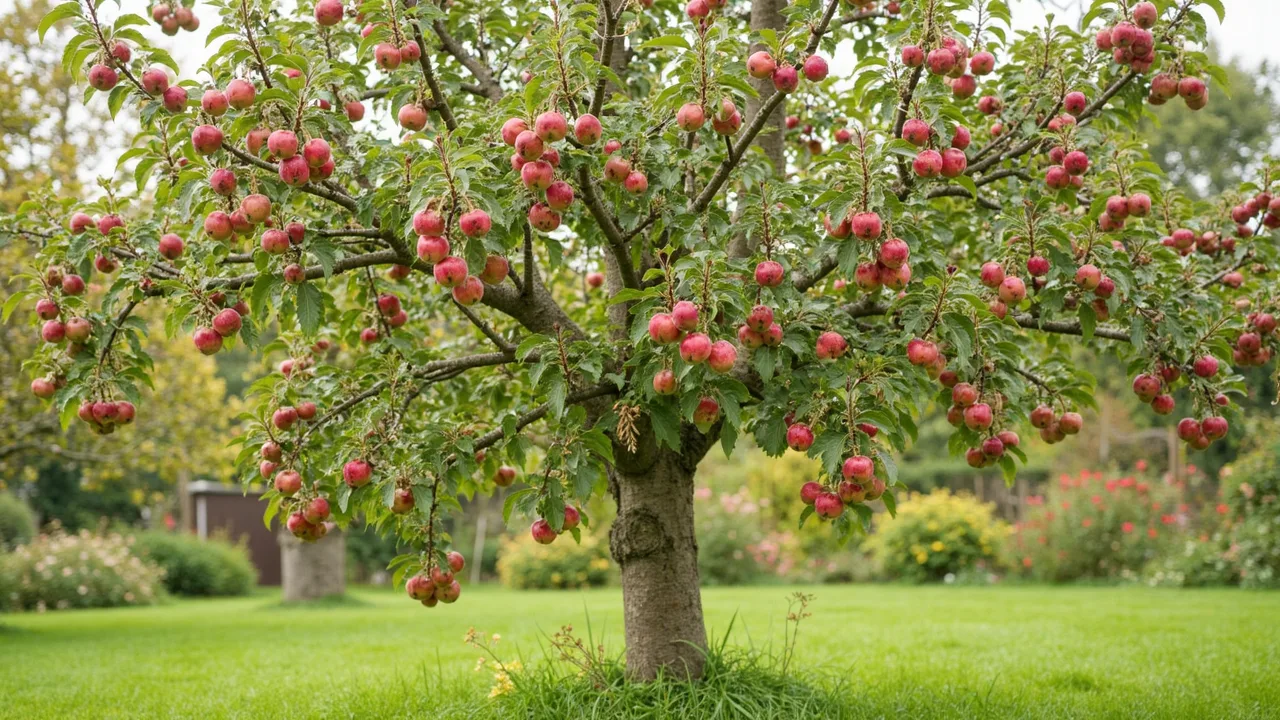
September brings the gentle transition from summer’s peak to autumn’s quiet rhythm. With warm soil still holding the sun’s memory and days gradually shortening, it’s the perfect time to plant for next spring, harvest your final summer crops, and prepare your garden for the cooler months ahead. This is the month to act on key tasks that will reward you with vibrant blooms and healthy plants long after the first frosts. Remember, Scotland and northern UK regions will lag 2-4 weeks behind the South West and London in these timings.
What to sow and plant
The warm, moist soil of September is ideal for establishing new plants. Plant spring-flowering bulbs immediately—daffodils, crocus, alliums, and hyacinths will settle before winter; avoid tulips until November as they need a longer cold period. Sow hardy annuals like calendula 'Snowball' and cornflower 'Blue Packet' directly into borders for winter colour and pollinator support; they’ll flower through spring. On bare soil, sow green manures such as winter rye (Secale cereale) or phacelia (Phacelia tanacetifolia) at 50g/m² to protect and enrich the soil. Sow overwintering broad beans (e.g., 'Aquadulce Claudia' or 'Candy Stripe') and hardy lettuce (e.g., 'Winter Density') under fleece or in a cold frame; use 25g/m² seed rate. Plant out spring cabbage (e.g., 'Savoy' varieties like 'Savoy Cabbage') and new strawberry runners (after dividing mature plants) to establish before winter; space plants 30cm apart. Divide congested herbaceous perennials like daylilies or ornamental grasses (e.g., 'Karl Foerster' feather reed grass) while soil is warm—cut clumps into 3-4 sections, replant immediately in well-prepared soil, and water thoroughly.
Pruning and maintenance
Focus on tidying without severe cutting. Cut back faded perennials (e.g., rudbeckia, helenium) to 5-10cm above soil level, but leave seedheads on sedum, echinacea, and grasses for wildlife and winter structure—these provide food for finches and shelter for insects. Take cuttings of tender perennials (pelargoniums, fuchsias, salvias) as insurance: take 10-15cm stem cuttings from non-flowering shoots, remove lower leaves, dip in rooting hormone, and insert into moist potting mix; keep in a bright, warm spot (15-18°C) until rooted (2-3 weeks). Cut out fruited canes of summer-fruiting raspberries (e.g., 'Glen Ample') and tie in new growth for autumn-fruiting varieties like 'Autumn Bliss'—use soft twine to secure canes to supports at 45-degree angles. Trim climbers like clematis (e.g., 'Jackmanii') after flowering and honeysuckle to manage growth, but avoid heavy pruning on plants that flower on old wood (e.g., wisteria).
Lawn and borders
September is the key month for lawn renovation. Scarify to remove thatch (10-15mm depth) using a thatch rake or machine, then aerate compacted areas (especially under trees) with a hollow-tine aerator spaced 10cm apart. Apply an autumn feed (low nitrogen, high potash—e.g., 0-0-5 ratio) at 30g/m², watering lightly after application. Overseed bare patches with a high-quality autumn lawn seed mix (e.g., Fescue and Ryegrass blend) at 30g/m²; rake seeds into soil and roll lightly. Rake leaves off the lawn daily to prevent smothering—use a leaf blower or rake for efficiency. In borders, add a 5cm mulch (well-rotted garden compost or bark chippings) around established perennials and shrubs to conserve moisture and suppress weeds; avoid piling mulch against stems. Clear spent annuals (e.g., marigolds, petunias) from borders to tidy up before winter.
Harvesting now
Lift maincrop potatoes (e.g., 'King Edward') as foliage dies back; cure them in a cool, dark place for 3-5 days before storage. Pick apples and pears (e.g., 'Bramley', 'Conference') using the cup-and-twist test—gently lift; if it comes away easily, it’s ready. Harvest pumpkins and squash (e.g., 'Blue Hubbard', 'Hokkaido') when skin is hard and stem is dry; cut with a sharp knife, leaving a 5cm stem. Pick sweetcorn (e.g., 'Sweet Success') when silks are brown and dry, and kernels are plump. Harvest autumn raspberries (e.g., 'Autumn Bliss') daily as they ripen; pick when berries detach easily. Lift maincrop onions (e.g., 'Sturon') when tops fall over and bulbs are fully formed; cure in a dry, airy place for 2-3 weeks before storing.
Pests and problems to watch
Slugs and snails return with damp weather—use organic ferric phosphate pellets (e.g., Sluggo) or beer traps, and check under pots daily. Brown rot affects stored or fallen apples/pears; remove and destroy affected fruit immediately to prevent spread. Powdery mildew appears on roses and cucumbers in cooler damp weather—improve air circulation by pruning and remove affected leaves. Grey mould (Botrytis) thrives on dead plant material; remove affected foliage promptly and avoid overhead watering. For persistent issues, consult the [GardenWizz Problem Solver](/problem-solver) for UK-specific advice.
Greenhouse and containers
As growth slows, reduce watering (only when compost feels dry) and stop feeding tender plants. Ventilate on warm days (10-15°C) to prevent condensation but close vents at night to retain warmth—open vents 5-10cm for airflow. Clean greenhouse glass with a soft cloth and mild detergent solution (1 tsp per litre water) to maximise winter light; rinse thoroughly. Move tender container plants (e.g., citrus, 'Cocktail' tomatoes, fuchsias) under cover (a porch, greenhouse, or cool shed) before the first hard frosts (typically late September in southern England). Check container plants weekly for pests like aphids or spider mites; treat with insecticidal soap if needed.
Looking ahead to October
October is the prime time for planting bare-root trees, shrubs, and tulips (the main bulb-planting window). The [September gardening calendar](/calendar/september) provides a detailed monthly guide, and as autumn deepens, focus on clearing fallen leaves from beds and paths to prevent disease and encourage spring growth. With your September tasks completed, you’ll have a garden well-prepared for the quiet beauty of the coming months.
Plants in this guide
As an Amazon Associate, GardenWizz earns from qualifying purchases made through links on this page (including links within the article). This does not affect the price you pay. See our disclaimer for details.