
Gardening Jobs for July in the UK
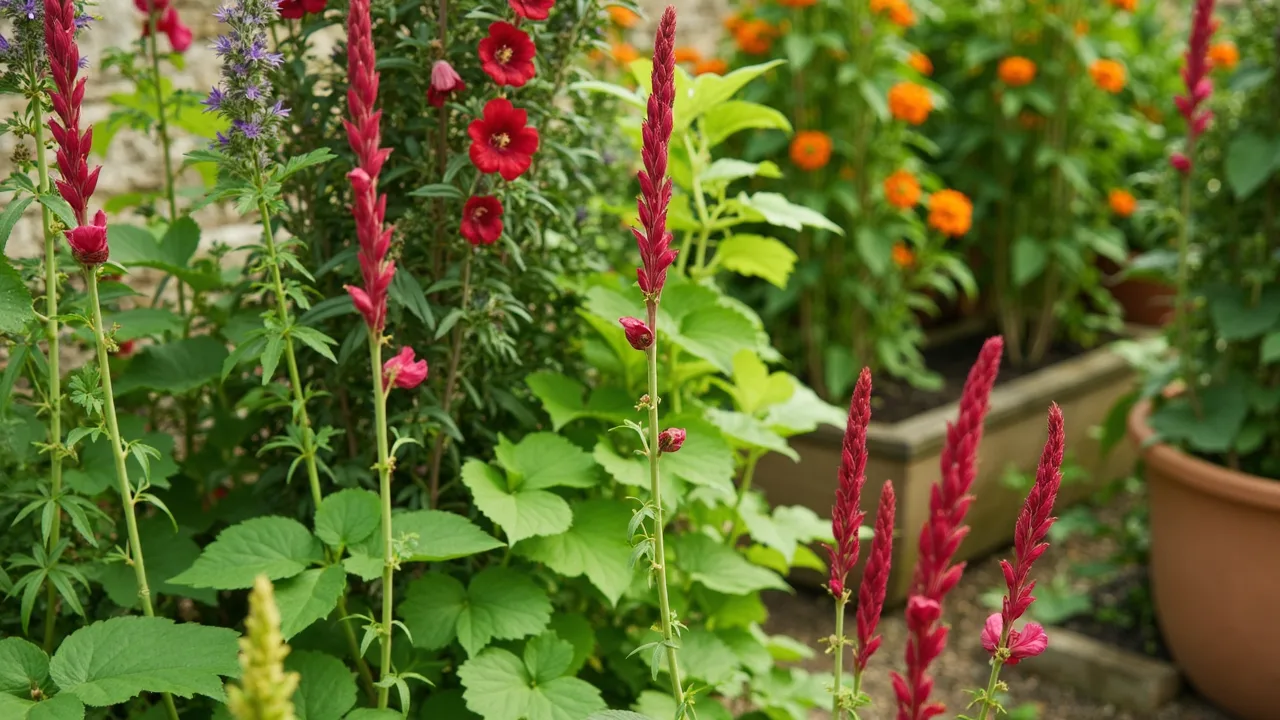
July’s warm days and long evenings make it the garden’s golden month, but also when drought stress hits hard and pests multiply. This guide gives you precise, UK-specific tasks to keep your garden thriving through the summer heat, based on established RHS and practical experience. Remember, Scottish and northern gardens may lag 2–4 weeks behind southern timings.
Watering Wisely: Avoiding Drought Stress
July’s warmth accelerates evaporation, making consistent watering critical. Aim for deep, infrequent sessions rather than daily light sprinkles to encourage deep root growth. Water early morning (5–8am) to minimise evaporation and fungal issues, especially for roses, vegetables, and newly planted shrubs. For established beds, provide 30–50 litres per square metre weekly—adjust upwards if temperatures exceed 25°C or rainfall is scarce. Container plants need checking daily; they dry out fastest. Avoid watering foliage in the evening to prevent mildew, particularly on cucumbers and tomatoes.
- Check soil moisture by inserting a finger 5cm deep; if dry, water thoroughly.
- Use a soaker hose or drip irrigation for efficiency, targeting roots not leaves.
- Collect rainwater in barrels for use during dry spells—this reduces tap water use and benefits plants.
Deadheading & Pruning for Continuous Bloom
Deadheading spent flowers not only tidies the garden but redirects energy into new blooms. For roses, cut stems back to a five-leaflet leaf node (about 5mm above it) using sharp, clean secateurs. This encourages a second flush of flowers in late summer. For herbaceous perennials like lavender or hellebores, remove faded flower spikes to prevent seed production and maintain compact growth. Avoid heavy pruning of summer-flowering shrubs (e.g., buddleia) until late August to preserve next year’s buds.
- Roses: Deadhead every 7–10 days during peak bloom.
- Clematis: Remove spent flowers on C. montana and C. viticella varieties after flowering.
- Perennials: Cut back hardy geraniums and asters to base after flowering to promote bushiness.
Harvesting Vegetables & Herbs at Peak Flavour
July is prime time for harvesting many vegetables. Pick runner beans daily when pods are 15–20cm long to encourage more growth. Harvest tomatoes when fully coloured and slightly soft to the touch—avoid picking green ones. For herbs like basil, snip leaves regularly to prevent flowering; mint and rosemary can be cut back by a third to keep them bushy. Harvest rhubarb stalks by pulling them gently from the base (never cut) before mid-July to avoid stressing the plant for next year. Crucially: rhubarb leaves are toxic to pets and humans—only consume the stalks.
- Tomatoes: Pick when uniformly coloured, not just red (e.g., yellow varieties).
- Peas: Harvest early for best flavour; leave pods on the plant for longer if you want shelling peas.
- Herbs: Dry excess basil by hanging in a warm, dark place; freeze mint for winter use.
Controlling Common Summer Pests Organically
Aphids, slugs, and caterpillars thrive in July’s warmth. For aphids on roses or beans, blast them off with a strong jet of water in the morning—repeating if needed. For slugs, place beer traps (shallow dishes filled with beer) or use organic slug pellets approved for UK use (e.g., iron phosphate-based products), following label instructions for safety. Check under leaves for caterpillars; hand-pick them or use Bacillus thuringiensis (Bt) for caterpillar control on cabbages. Never use non-organic pesticides without checking UK regulations—many are banned for home use.
- Slug control: Place beer traps every 1–2m in the garden.
- Aphid prevention: Spray leaves with a solution of 1 part washing-up liquid to 10 parts water (use sparingly).
- Caterpillar check: Inspect cabbage and kale leaves daily; remove eggs or larvae.
Lawn Care: Mowing and Feeding for Resilience
Mow your lawn every 5–7 days in July, keeping the height at 3–4cm to shade roots and reduce water loss. Never remove more than one-third of the grass blade at once—this stresses the lawn. After mowing, leave clippings to decompose (they act as a natural fertiliser), but remove them if they form a thick layer. Apply a slow-release, low-nitrogen fertiliser (e.g., a 10-5-5 ratio) to support root health without encouraging excessive top growth. Note: Avoid feeding during prolonged dry spells—water first to prevent burning.
- Mowing tip: Sharpen blades regularly to prevent tearing grass.
- Feeding timing: Apply fertiliser after a light rain or watering.
- Weed control: Hand-pull dandelions or use a selective weedkiller only if necessary, following UK product guidelines.
Planning Ahead: Sowing for Autumn & Winter
July is the perfect time to sow hardy vegetables for autumn harvests. Plant winter cabbage, Brussels sprouts, and leeks in a sheltered spot—these need 10–12 weeks to establish before winter. Sow broad beans in containers for overwintering, and plant garlic cloves for next year’s crop. For flowers, sow sweet peas (for autumn blooms) and hardy annuals like cornflowers. Scottish gardeners: delay sowing by 2–4 weeks due to cooler temperatures.
- Autumn veg sowing: Use a seed tray or direct-sow in well-drained soil.
- Garlic planting: Choose large cloves, plant pointy end up, 10cm deep.
- Sweet peas: Sow in 10cm pots for transplanting later.
As an Amazon Associate, GardenWizz earns from qualifying purchases made through links on this page (including links within the article). This does not affect the price you pay. See our disclaimer for details.