
Gardening Jobs for August in the UK
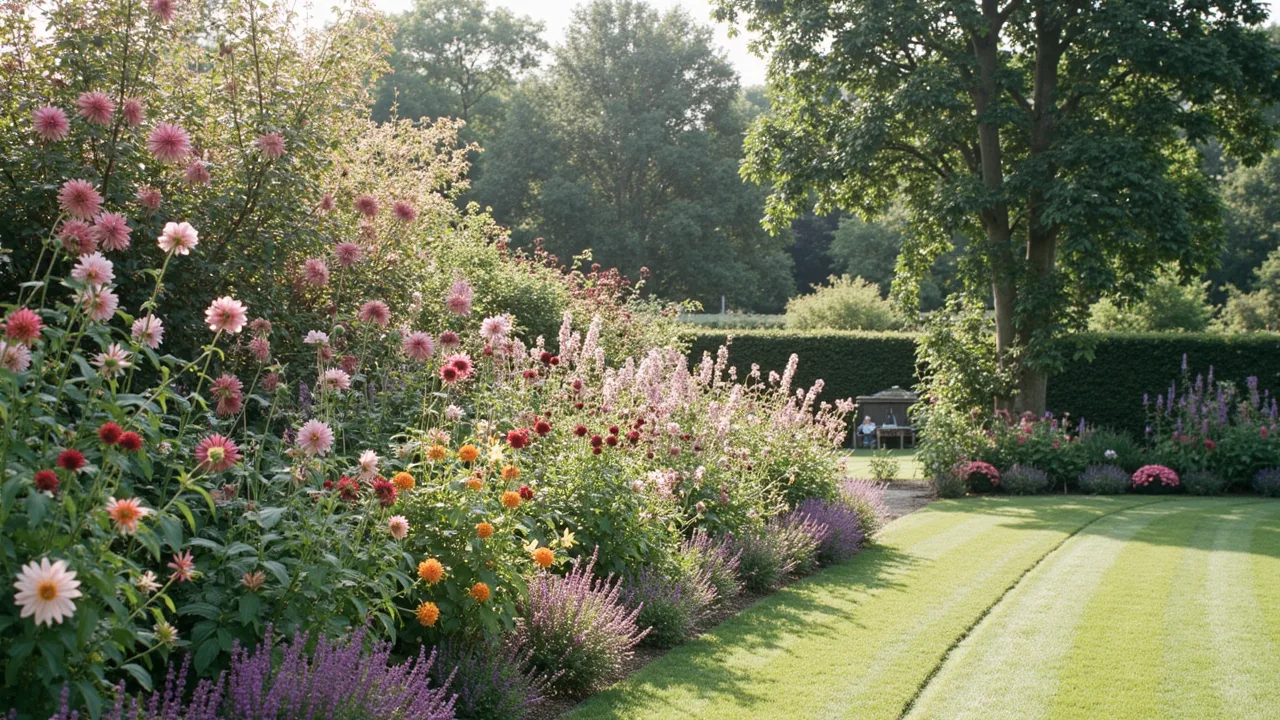
August brings the UK’s peak summer warmth, often with prolonged dry spells and intense sunshine that test even the hardiest garden. This is the month to capitalise on abundant harvests, vigilantly monitor for blight in wet spells, and make strategic cuts to keep fruit trees and shrubs productive. Remember, Scottish and northern gardens may lag 2–4 weeks behind southern England and London in timing—so adjust your actions accordingly. Focus on deep, infrequent watering to encourage strong roots, and prepare for autumn by sowing key crops while the soil remains warm. With temperatures typically ranging from 18°C to 25°C (occasionally spiking above 30°C), August demands proactive care to sustain your garden through the summer’s peak.
What to sow and plant
Outdoors: Succession-sow salad leaves (e.g., 'Oakleaf' lettuce, 'Sloane' rocket) in partial shade between 1st–15th August to extend harvests into autumn. Sow overwintering onions ('Stuttgarter', 'Red Baron') in well-dug, weed-free beds, spacing rows 30cm apart and seeds 5cm deep; this ensures they establish before winter. Plant hardy spring onions ('White Lisbon') 10cm apart in rows for a late harvest. For autumn harvests, plant winter brassicas like kale ('Winterbor') and spring cabbage ('Savoy') in fertile, well-drained soil—dig a 30cm square hole per plant, mix in 50g of balanced organic fertiliser, and firm in. Lift and dry onions/garlic once foliage turns yellow and collapses (typically late August–early September), hanging in a dry, airy shed for 2–3 weeks. For precise planting depths and regional timing, consult the [August gardening calendar](/calendar/august).
Under cover: Sow dwarf French beans ('Provider') and turnips ('Purple Top') in a greenhouse or cold frame for a late harvest, using 2–3cm depth in seed trays. Plant strawberry runners ('Mara des Bois') in pots or beds, spacing them 30cm apart and covering with 1cm of soil. Sow autumn-flowering bulbs like Colchicum 'Album' (autumn crocus) in well-drained soil, planting at 10cm depth and 15cm apart—this ensures they establish before winter. Always ensure greenhouse ventilation is open during the day to prevent overheating, especially for tender seedlings.
Pruning and maintenance
Summer-prune trained apples and pears (e.g., espaliers on walls) by cutting new growth back to 3–4 leaves beyond the fruiting spur. This directs energy into fruit production next year. For summer raspberries, cut out all fruited canes at ground level immediately after harvesting (usually late August), then tie in new, vigorous canes to supports at 15cm intervals. Lightly trim lavender (Lavandula angustifolia) after flowering by removing just the top 5cm of growth to maintain shape—avoid cutting into old, bare wood. Deadhead dahlias, roses, and sweet peas by pinching off spent blooms just above a leaf node to prolong flowering; for roses, remove the entire stem to encourage new buds. Trim evergreen hedges (e.g., box, yew) lightly if needed, but only to remove stray shoots—never cut into old wood in August’s heat. For detailed pruning techniques, see the [Lavender care guide](/plants/lavandula-angustifolia).
Lawn and borders
Raise your mower height to 3–4cm during dry spells to reduce stress on grass and encourage deeper root growth. Leave clippings on the lawn to decompose and return nutrients—this is crucial in August’s dry conditions. Keep newly planted perennials (e.g., hostas, peonies) and shrubs well-watered, applying 5–10 litres of water per plant every 2–3 days. Feed borders with a balanced, slow-release fertiliser (e.g., 5:5:5) at 50g per square metre, and deadhead spent blooms on herbaceous plants like delphiniums and hellebores to maintain a tidy appearance and encourage new growth. For roses, remove spent blooms to prevent energy drain and promote repeat flowering. If borders look sparse, consider adding hardy perennials like sedum 'Autumn Joy' for late-season colour.
Harvesting now
Harvest courgettes (Cucurbita pepo) daily when small (5–10cm long) using a sharp knife to cut stems—this prevents bitterness and encourages more fruiting. Pick tomatoes (Solanum lycopersicum) when fully coloured and slightly soft; for gluts, slice and freeze, make chutney, or share with neighbours. Harvest runner and French beans (e.g., 'Blue Lake') while young and tender (10–15cm long), picking regularly to keep plants productive. Sweetcorn is ready when silks turn brown and kernels are milky—test by pricking a kernel with your fingernail. Lift and dry onions and garlic once leaves yellow and flop over; hang in a dry, airy shed for 2–3 weeks. Early apples ('Discovery') and plums ('Victoria') can be picked when they lift easily from the tree. For gluts, try quick-pickling courgettes or freezing beans in portions for winter use—portion into 500g bags for easy thawing.
Pests and problems to watch
Tomato and potato blight (caused by Phytophthora infestans) thrives in warm, wet weather—remove infected leaves immediately at ground level and avoid overhead watering. Whitefly on greenhouse plants (e.g., tomatoes, aubergines) can be controlled by spraying with insecticidal soap or using yellow sticky traps. Cabbage white caterpillars (larvae of Pieris brassicae) chew holes in brassicas; hand-pick or use Bacillus thuringiensis (follow label instructions). Red spider mite (under glass) causes stippling on leaves—dampen leaves and increase ventilation. Powdery mildew on courgettes appears as white patches; improve air circulation and avoid wetting leaves. If unsure, consult the [GardenWizz Problem Solver](/problem-solver) for identification and UK-approved treatments.
Greenhouse and containers
Dampen greenhouse floors with a hose (not flooding) and ventilate fully during heatwaves to reduce humidity and prevent pests. Feed tomatoes weekly with a high-potash feed (e.g., tomato fertiliser) at the recommended dilution—typically 10ml per litre of water. Check container plants daily; pots dry out rapidly in August sun, so water thoroughly when the top 2cm of compost feels dry. Move heat-sensitive plants (e.g., pelargoniums) to partial shade if temperatures exceed 25°C. For container-specific care, see the [Tomato guide](/plants/solanum-lycopersicum). Always follow product labels for chemical controls and adhere to current UK regulations.
Looking ahead to September
As August’s heat fades, begin sowing hardy annuals like sweet peas ('Cupani') for autumn blooms and prepare beds for autumn-sown vegetables such as broad beans ('Aquadulce Claudia'). Order spring-flowering bulbs (e.g., tulips 'Carnegie', daffodils 'Sir Winston Churchill') for delivery in late summer to ensure availability. Continue harvesting as crops mature, and use the last of the season’s produce to make preserves or freeze for winter. The [August gardening calendar](/calendar/august) offers a detailed, month-by-month guide to help you stay on track, including regional timing adjustments for Scotland and northern England.
Plants in this guide
As an Amazon Associate, GardenWizz earns from qualifying purchases made through links on this page (including links within the article). This does not affect the price you pay. See our disclaimer for details.