
Cast Iron Plant
Aspidistra elatior · Aspidistra
🪴 Indoor Seasonal Care
How this houseplant's needs shift through the year indoors.
At a Glance
| Botanical name | Aspidistra elatior |
|---|---|
| Common name(s) | Cast Iron Plant, Aspidistra |
| Family | Asparagaceae |
| Plant type | perennial (Evergreen perennial famous for surviving deep shade, draughts and neglect — the original cast-iron plant.) |
| Height × Spread | 45–90 cm × — |
| Position | Partial shade, Full shade |
| Light (indoors) | Tolerates low light and shade better than almost any houseplant; keep out of direct sun, which scorches it. |
| Humidity | Low — undemanding about humidity. |
| Pet safety | Considered non-toxic to cats and dogs by the ASPCA — pet-safe. Discourage pets from eating it to avoid mild stomach upset. |
| Soil | Peat-free houseplant compost; let the top dry between waterings. Very forgiving of neglect. |
| Flowering | — |
| Toxicity | Not known to be toxic; discourage children from eating houseplants. |
| Native range | — |
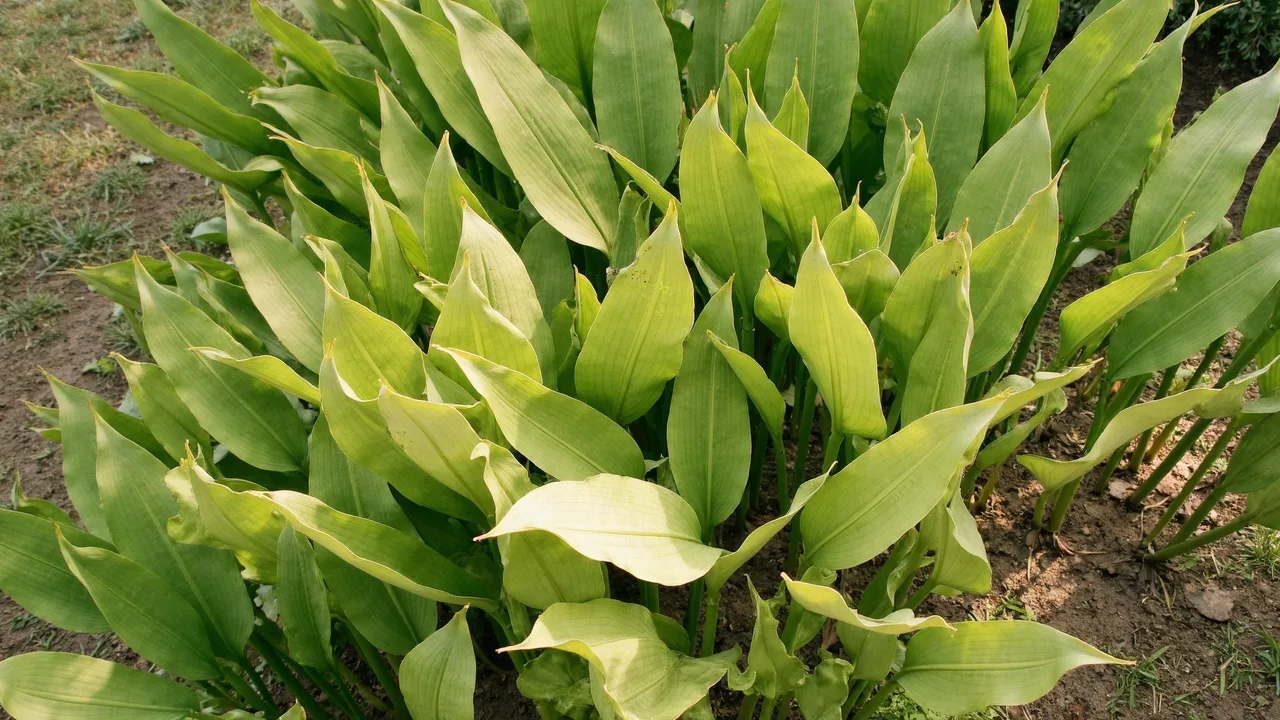
The Cast Iron Plant (Aspidistra elatior) is the ultimate survivor for indoor spaces, renowned for its astonishing resilience. This evergreen perennial thrives where other plants falter, making it the perfect choice for beginners, busy households, or any room with less-than-ideal conditions. Its glossy, strap-like leaves add a touch of timeless greenery without demanding constant attention.
Light
Cast Iron Plants excel in low-light environments, tolerating deep shade far better than almost any other common houseplant. Place it in a room away from direct sunlight, such as a north-facing window, a hallway, or a corner further from windows. Avoid south or west-facing windows where intense afternoon sun could scorch the leaves, causing brown patches or crispy edges. It also handles the occasional draught from a door or window better than most, though consistent, cool air currents should still be avoided. Remember, while it tolerates low light, it will grow more slowly and produce fewer leaves; a slightly brighter spot (but still indirect) will encourage more vigorous growth without harming the plant.
Watering
This plant is incredibly forgiving of inconsistent watering, a key reason for its legendary status. The crucial rule is to let the top inch (2.5cm) of the compost dry out between waterings. Overwatering is the most common cause of problems, leading to root rot. During winter, when growth slows, water even less frequently – perhaps every 3-4 weeks, checking the soil moisture first. In spring and summer, water thoroughly when the top inch feels dry, allowing excess water to drain freely from the pot. Never let the plant sit in standing water; ensure the pot has drainage holes. A simple test is to stick your finger into the soil up to the first knuckle; if it feels dry, it’s time to water.
Humidity and temperature
Cast Iron Plants are remarkably undemanding regarding humidity, thriving equally well in the dry air of centrally heated UK homes or more humid environments. They adapt well to typical indoor humidity levels without needing misting or a pebble tray. Temperature-wise, they prefer average room temperatures (15-24°C / 60-75°F) and tolerate cooler conditions better than many plants. Avoid placing them near radiators, fireplaces, or cold drafts, as sudden temperature swings can cause leaf drop. They are resilient to fluctuations but appreciate a stable, moderate environment.
Feeding and repotting
Feed sparingly during the growing season (spring and summer) with a balanced, water-soluble houseplant fertiliser diluted to half strength. Apply every 4-6 weeks, or follow the product instructions. Do not feed during autumn or winter when growth naturally slows. Repot only when the plant becomes root-bound, which can take several years – typically every 2-3 years, or when roots start emerging through the drainage holes. Choose a pot only slightly larger than the current one (1-2 inches / 2.5-5cm wider) to prevent overwatering. Use a peat-free houseplant compost, as specified, and ensure good drainage.
Propagation
Propagation is straightforward and best done through division during repotting. In spring, carefully remove the plant from its pot and gently separate the root ball into smaller sections, each with a healthy portion of roots and at least one or two leaves. Pot each section into fresh, well-draining compost in a pot of appropriate size. Keep the newly divided plants in a warm, bright spot (out of direct sun) and water moderately until new growth appears. This method is reliable and quick, making it ideal for expanding your collection or sharing with fellow plant lovers.
Common problems and how to fix them
Yellowing leaves are usually a sign of overwatering. Check the soil moisture – if it’s soggy, reduce watering frequency and ensure the pot drains well. If the plant is in a pot without drainage, repot immediately into a suitable container. Brown leaf tips often indicate low humidity, but for Cast Iron Plants, this is less common; more likely, it’s due to inconsistent watering (either too dry or too wet) or hard water minerals. Flush the compost with rainwater or distilled water occasionally to remove mineral buildup. Dropping leaves can occur from cold drafts, sudden temperature changes, or overwatering; relocate the plant to a more stable spot and adjust watering. Pests like spider mites are rare but can appear in very dry air; increase humidity slightly or wipe leaves with a damp cloth.
Is it toxic to cats and dogs?
According to the ASPCA, the Cast Iron Plant is considered non-toxic to both cats and dogs. However, it is always advisable to discourage pets from chewing or eating any houseplant, as it may cause mild stomach upset or digestive discomfort. If you notice your pet ingesting a significant amount of the plant, monitor them for any signs of discomfort and contact your veterinarian or the Animal PoisonLine (01206 798223 in the UK) for advice. Similarly, while not toxic, it’s best to keep all houseplants out of reach of young children to prevent accidental ingestion.
As an Amazon Associate, GardenWizz earns from qualifying purchases made through links on this page (including links within the article). This does not affect the price you pay. See our disclaimer for details.