
Gardening Jobs for December in the UK
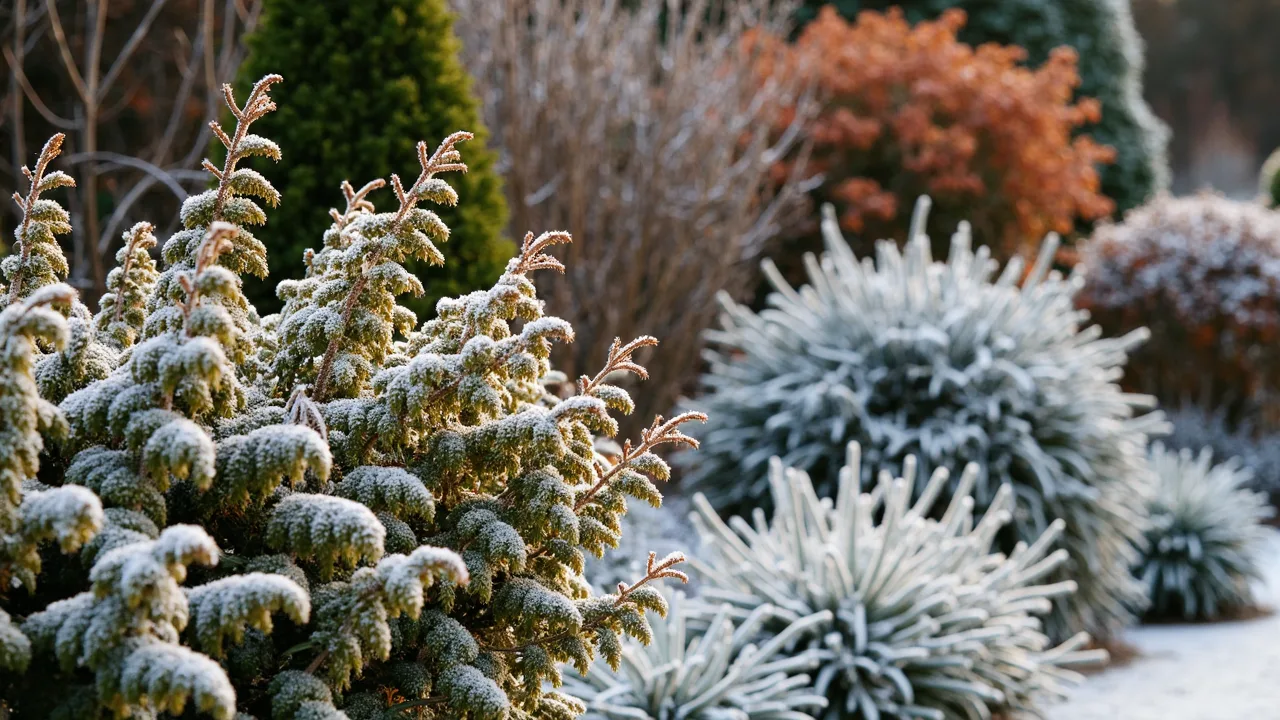
December in the UK brings shorter days, crisp air, and the quiet rhythm of the dormant season. While the garden may seem asleep, there’s vital work to do to protect your plants, prepare for spring, and enjoy the last of the hardy harvest. Focus on preserving what you have, preventing damage, and planning ahead with a keen eye on the weather—especially in Scotland and the north, where frosts linger longer. This is the time to be strategic, not hurried, ensuring your garden thrives when the first spring shoots appear. Remember: never work frozen ground, but seize mild, dry spells for critical tasks like pruning or planting.
What to sow and plant
Plant bare-root trees, shrubs, and hedging only when soil is workable—never frozen or waterlogged. In southern UK, dig on dry, mild days (e.g., 10–15°C), ensuring the hole is twice the rootball width and deep enough to cover roots without crowding. For example, plant a standard apple tree like ‘Lord Derby’ with roots spread in a 30cm-deep trench, backfilling with soil mixed 50:50 with well-rotted compost. In Scotland, wait until late January. The very last tulip bulbs (e.g., ‘Queen of Night’) can still be planted now if soil isn’t frozen—cover with 10cm of soil and firm gently. For early spring colour, sow broad beans (‘Aquadulce Claudia’), sweet peas (‘Felicia’), or winter aconites under glass in a cold frame. Use a seed tray filled with seed compost, cover seeds with 1cm of compost, and keep at 5–10°C. Do not plant anything in frozen ground—wait for a thawed period. To force rhubarb for indoor blooms, cover established crowns (e.g., ‘Victoria’) with a dustbin or purpose-made forcing pot from late December, keeping them in a dark, frost-free shed (e.g., a shed or garage). Keep the soil moist but not wet, and harvest stalks in February.
- Bare-root planting: Dig a wide hole (30cm deep x 40cm wide), soak roots in water for 1 hour, position tree so graft union is 5cm above soil, and backfill with soil/compost mix.
- Forcing rhubarb: Place pot over crown in a cool shed (5–10°C), cover with lid, and water sparingly. Harvest stalks when 15–20cm long.
- Sowing under glass: Use a seed tray with 5cm of seed compost, sow seeds 1cm deep, cover with a propagator lid, and ventilate daily for 10 minutes.
Pruning and maintenance
Winter is the ideal time to prune deciduous fruit trees (apples, pears), grapevines, and wisteria while dormant. For apples and pears, cut back to a healthy bud, remove dead or crossing branches, and aim for an open centre. Prune wisteria on a still day in late December (not January) by cutting long shoots back to 3–5 buds to encourage flowering. For grapevines, shorten canes to 2–3 buds. Cut back faded herbaceous perennials like hostas and hellebores to 10cm above soil level, but leave seedheads on sedum, teasel, and grasses—they provide food for birds and shelter for insects. Check all tree stakes and ties; loosen any that are cutting into the bark (e.g., use soft tape to wrap around ties). Knock heavy snow off evergreen hedges (e.g., yew) and conifers (e.g., juniper) using a broom to prevent breakage—do this early in the morning when snow is lightest.
Lawn and borders
Stay off frozen lawns to avoid compaction and damage; wait for soil to thaw. On mild days (above 5°C), brush off worm casts with a stiff broom to prevent smothering the grass. Keep borders tidy by removing dead foliage from perennials like hellebores, but leave seedheads on plants such as sedum, teasel, and ornamental grasses—they provide vital food and shelter for overwintering insects. Apply a thick mulch (5–7cm) of well-rotted garden compost or leafmould around the base of shrubs (e.g., roses, hydrangeas) and trees to protect roots from temperature fluctuations. Do not cut back ornamental grasses until late February—their hollow stems provide habitat. For borders, rake up fallen leaves from paths but leave them in beds as natural insulation.
Harvesting now
Harvest hardy winter vegetables directly from the ground. Leeks and parsnips taste sweeter after a frost—dig them only when needed, leaving others in the soil for a late harvest (e.g., parsnips can stay until March). Brussels sprouts, kale, winter cabbage (e.g., ‘January King’), and celeriac can all be picked now; the cold actually improves their flavour. Harvest the last of your stored apples (e.g., ‘Bramley’ for cooking) and squash (e.g., ‘Buttercup’), checking for rot or soft spots before using. For parsnips, leave them in the ground until needed—frost sweetens them, but lift before heavy snow or waterlogging. Avoid harvesting anything from frozen soil; wait for a thaw.
Pests and problems to watch
Apply a winter wash (horticultural oil diluted as per label) to fruit trees on a still, frost-free day to smother overwintering pests like aphids and scale. Check stored potatoes, onions, and root vegetables weekly for rot or sprouting—remove affected items immediately. Protect brassicas (cabbages, kale) from pigeons with fine-mesh netting (e.g., 15mm mesh), secured firmly at the base to prevent birds from getting trapped. If you spot slug damage on evergreen shrubs, apply organic slug pellets (e.g., iron phosphate-based) at dusk, following the product label. Refer to the [Problem Solver guide](/problem-solver) for identifying and treating common winter pests like vine weevil or blackfly.
Greenhouse and containers
Water container plants sparingly—only when compost feels dry to the touch (e.g., once every 10–14 days). Ventilate greenhouses on mild, sunny days (above 5°C) for 15–20 minutes to reduce humidity and prevent fungal growth. For frost-tender plants like tender herbs (rosemary, thyme) or pelargoniums, use a small electric heater (set to 5°C) or insulate with bubble wrap (2mm thickness) around the greenhouse structure. Group pots together to create a microclimate and wrap vulnerable containers (e.g., terracotta) with hessian or bubble wrap for extra protection. Never leave a heater unattended; follow UK safety regulations for electrical equipment in greenhouses. For containerised shrubs (e.g., camellias), place them against a south-facing wall for extra warmth.
Looking ahead to January
Continue winter pruning of fruit trees and hedges on dry days. Order seeds for spring planting now—check the [December calendar page](/calendar/december) for recommended varieties and sowing dates (e.g., ‘Rocket’ lettuce for early harvest). Do not chit potatoes yet—wait until January for this task. Plan your crop rotation for the coming year, noting which areas grew brassicas or heavy feeders (e.g., avoid planting brassicas in the same spot for 3 years). Update your garden journal with observations from December to refine your approach next season. For inspiration, explore our guide to [winter-flowering shrubs](/plants/winter-flowering-shrubs) to enhance your garden’s structure and scent during the coldest months.
As an Amazon Associate, GardenWizz earns from qualifying purchases made through links on this page (including links within the article). This does not affect the price you pay. See our disclaimer for details.