
Why Is My Houseplant Dying? A UK Troubleshooting Guide
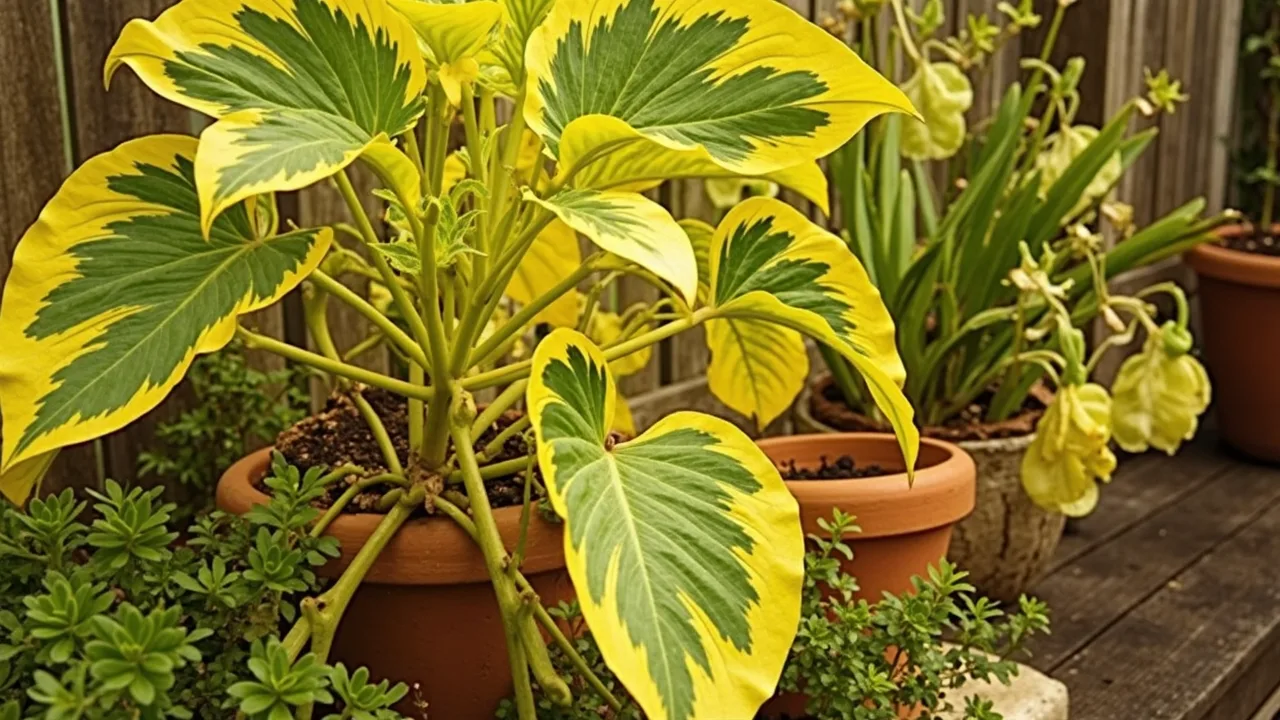
Houseplants bring life to UK homes, yet many succumb to common, preventable issues – often due to our damp climate and indoor environments. This guide cuts through the confusion, offering clear, symptom-led fixes based on UK gardening best practice. Overwatering is the single biggest killer, so we’ll start there, then tackle other signs with actionable steps for your British home.
Yellowing Leaves
Yellow leaves are the most common distress signal, usually from overwatering in UK conditions. While nutrient deficiencies (like nitrogen) or natural leaf senescence occur, they’re far less frequent than waterlogged roots. UK homes, especially in cooler, wetter regions like the North West, often lead to this when gardeners water on a fixed schedule without checking soil moisture. Under-watering can cause yellowing too, but it typically starts at leaf edges and is rarer in humid UK interiors.
- Check soil moisture first: Stick your finger 5cm deep into the compost. If it feels damp or wet, skip watering. UK soil dries slower than in drier climates – wait until it’s barely moist at that depth.
- Adjust watering: Reduce frequency. In winter (Oct–Feb), many houseplants need water only every 2–3 weeks, not weekly. Ensure pots have drainage holes – never let plants sit in a saucer of water.
- Check light: Move the plant to a brighter spot (e.g., a south-facing window) if it’s in a dim corner. Low light encourages weak growth and yellowing. Avoid placing near cold draughts (like old windows) which stress plants.
Brown Crispy Leaf Tips/Edges
This is almost always a humidity issue, not underwatering (which usually causes yellowing, not browning). UK homes, particularly in winter when central heating dries the air, create low humidity environments. It’s common on plants like Calathea, Ferns, or Peace Lilies. Over-fertilising can also cause tip burn, but this is less common than dry air.
- Increase humidity: Group plants together (creates a microclimate), use a pebble tray filled with water (place pot on pebbles, not in water), or invest in a humidifier. UK winters make this crucial.
- Check watering: Ensure you’re not underwatering, but the primary fix is humidity. If tips are brown and dry, trim them with clean scissors (use a 45° angle).
- Avoid over-fertilising: Feed only during active growth (spring/summer) with a balanced liquid feed diluted to half-strength. Never feed a plant showing stress.
Drooping or Wilting
This is urgent – it can mean either underwatering or overwatering. In UK homes, overwatering is far more likely, especially in cooler months when plants use less water but soil stays wet. Underwatering causes wilting that recovers quickly after watering; overwatering wilting is persistent and often accompanied by yellowing leaves.
- Test soil moisture immediately: Dig down 5cm. Wet soil = overwatering; dry soil = underwatering. If wet, stop watering and improve drainage (add grit to compost if needed).
- For overwatering: Move the plant to a cooler, brighter spot (not direct sun) to help soil dry out. Check roots for rot (see Root Rot section below). Do not water until soil is dry.
- For underwatering: Water thoroughly until water drains from the pot. If the soil has pulled away from the pot, soak the pot in a sink of water for 15–20 minutes, then drain.
Leaf Drop
Sudden leaf drop usually signals a shock: a drastic change in light, temperature, or watering. UK homes have variable light (especially in winter) and are prone to draughts from old windows or doors. Moving a plant to a new position, placing it near a radiator (causing dry air), or inconsistent watering are common culprits. It’s rarely a disease.
- Identify the trigger: Has the plant been moved? Is it near a draft (e.g., a door opening) or a heat source? Has your watering routine changed?
- Stabilise conditions: Keep the plant in one spot for at least 2 weeks. Avoid placing near radiators or drafty windows. Maintain consistent watering – UK winter means less frequent watering than summer.
- Check light: If moved to a darker spot recently, gradually move it to a brighter location (e.g., a north-facing window) over a week. Avoid sudden changes.
Pale Leggy Growth
This means your plant is stretching for light – classic in UK homes with low natural light, especially in autumn and winter. It’s not a disease but a sign of insufficient light. Common on Pothos, Philodendrons, or Fiddle Leaf Figs. Leggy growth is often accompanied by smaller leaves and weak stems.
- Move to a brighter spot: Place the plant within 1–2 feet of a south or west-facing window (UK windows get limited light in winter). East-facing is good for morning sun.
- Rotate regularly: Turn the pot 90° every few days so all sides get light, preventing one-sided growth.
- Prune to encourage bushiness: Cut back leggy stems just above a leaf node (where a leaf joins the stem) with clean secateurs. This stimulates new growth and makes the plant fuller.
Mouldy Soil or Tiny Flies
Mouldy soil (white or grey fuzzy growth) and tiny flies (fungus gnats) are both signs of overwatering and excess moisture. UK humidity exacerbates this, especially in winter when plants are watered too often. Fungus gnats lay eggs in wet soil; their larvae feed on organic matter and can damage young roots.
- Reduce watering: Allow the top 2–3cm of soil to dry out between waterings. UK gardeners often water too frequently in cool weather.
- Address fungus gnats: Let soil dry out completely (1–2 weeks) to kill larvae. For active infestations, apply a biological control like Bacillus thuringiensis var. israelensis (Bti) as per product label (e.g., Gnatrol). Avoid chemical pesticides unless necessary – follow UK regulations.
- Improve soil aeration: Gently mix the top layer of soil with a chopstick to increase airflow. For severe mould, scrape off the top layer and replace with fresh, well-draining compost.
Root Rot
This is the silent killer caused by persistent overwatering, leading to black, mushy roots that smell bad. It’s the most common fatal issue for UK houseplants, especially in winter when soil stays wet for longer. If left untreated, it spreads rapidly and kills the plant.
- Diagnose: Gently remove the plant from its pot. Healthy roots are white or light brown; rotted roots are black, slimy, and smell foul. If more than 50% of roots are rotted, the plant may be beyond saving.
- Rescue the plant: If possible, cut away all rotted roots with clean, sharp scissors (sterilise with rubbing alcohol first). Rinse remaining healthy roots under lukewarm water. Repot in a clean pot with fresh, well-draining compost (use a mix of 2 parts potting compost to 1 part perlite or grit).
- Prevent recurrence: Water only when the top 5cm of soil feels dry (UK winter: every 3–4 weeks). Ensure the pot has drainage holes. Place in a bright, airy spot to dry out faster. For more on fungus gnats (a common contributor), see our guide on [how to get rid of fungus gnats](/articles/how-to-get-rid-of-fungus-gnats-on-houseplants-and-in).
Plants in this guide
As an Amazon Associate, GardenWizz earns from qualifying purchases made through links on this page (including links within the article). This does not affect the price you pay. See our disclaimer for details.