
Gardening Jobs for November in the UK
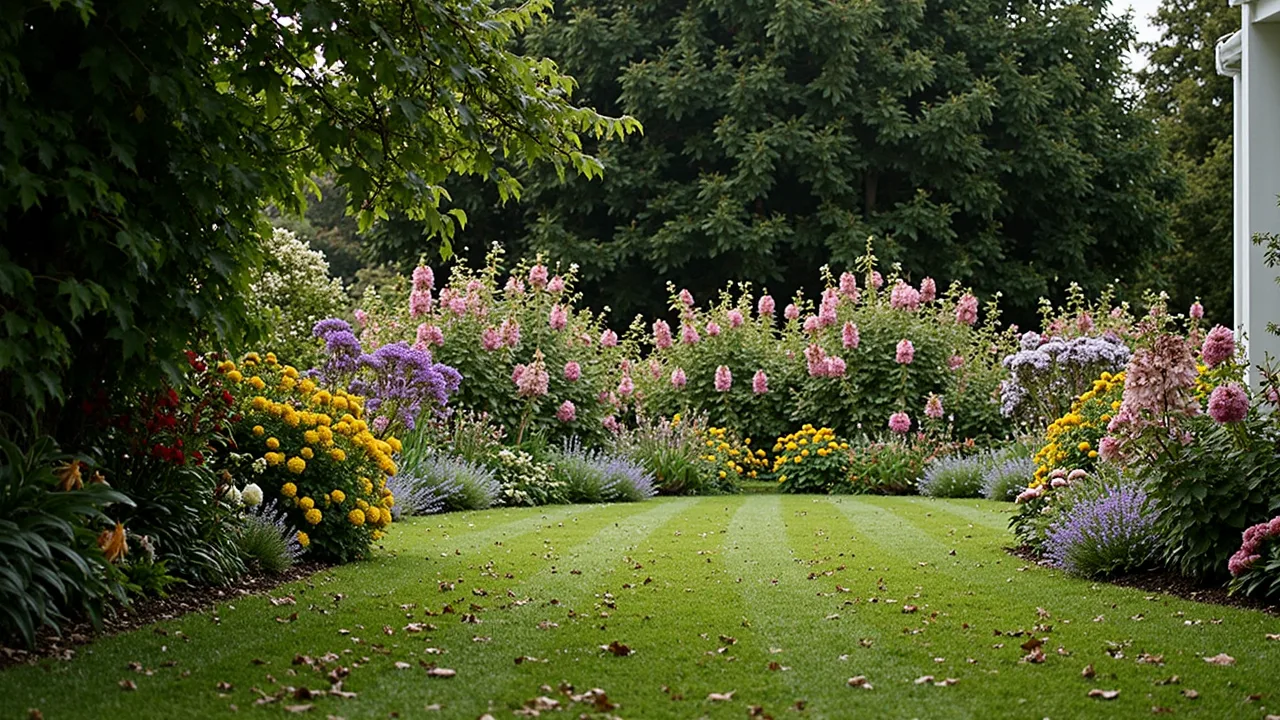
November in the UK brings crisp, clear air and the quiet rhythm of the garden settling into winter’s embrace. It’s a month of decisive, practical action: planting bare-root treasures, harvesting frost-sweetened crops, and preparing for the coldest months ahead. With shorter days and the first frosts arriving, your focus shifts to protecting what’s vulnerable, securing your harvest, and laying the groundwork for spring’s renewal. This guide delivers the specific, actionable tasks you need to make November a productive, not passive, month in your British garden.
What to sow and plant
This is the undisputed peak for planting bare-root stock. Dig a hole twice the spread of the roots, amend with 5-10cm of well-rotted garden compost (not manure), position the plant so the graft union (for fruit trees) is 5-10cm above soil level, backfill, firm gently, and water thoroughly with 2-3 litres per plant. For fruit trees like 'Cox's Orange Pippin' apples or 'Conference' pears, prune lightly now to reduce wind-rock but avoid heavy cuts. Plant tulip bulbs immediately: choose firm, large bulbs (e.g., 'Apeldoorn' or 'Queen of the Night'), plant 15-20cm deep in well-drained soil, pointy end up, spacing 10-15cm apart. Plant garlic in a sheltered, sunny spot: break bulbs into cloves, plant individually 10cm deep, pointy end up, 15cm apart in rows, then cover with 5cm of straw or leaf mould for frost protection. Sow hardy broad beans ('Aquadulce' or 'Aquadulce Cob' varieties) in drills 5cm deep, 30cm apart, in a sheltered border; cover with a light mulch of straw. Sow hardy peas ('Kelvedon Wonder') similarly, in well-prepared, light soil. Pot up lily bulbs (e.g., Lilium regale) in containers filled with multi-purpose compost, placing them in a cool, dry, frost-free shed until spring. Note: Do not plant tender bulbs like daffodils until December; November is for tulips and hardy varieties only.
Pruning and maintenance
Begin winter pruning for Malus domestica (apple) and Pyrus (pear) trees. Use sharp, clean secateurs to remove dead, diseased, or crossing branches, and thin crowded growth to improve air circulation and light penetration – aim for an open, vase-shaped structure. For open-grown roses (e.g., Rosa rugosa), prune lightly now: cut back long, straggly stems to a healthy bud facing outwards, removing no more than 1/3 of the plant, to reduce wind-rock without compromising next year’s blooms. Do not prune roses heavily; wait until late February/March for major renewal. Cut back faded herbaceous perennials like Echinacea purpurea or Aster novi-belgii to 5-10cm above soil level, but leave seedheads on Helenium and Rudbeckia for birds and wildlife. Collect and compost fallen leaves – they provide excellent mulch and soil conditioner. Avoid leaving them on paths or lawns where they smother plants. Rake leaves from borders and under shrubs to prevent rot and disease; use a leaf blower on a low setting for large areas to avoid damaging delicate plants. Firm in any newly planted trees or shrubs that may have been loosened by wind or rain – gently press the soil around the roots with your foot.
Lawn and borders
Keep off frosted or waterlogged grass – walking on it causes compaction and damage; wait for the ground to thaw or dry out. Rake leaves from borders and paths, but avoid disturbing the soil structure. Finish mulching around established shrubs (e.g., Viburnum or Spiraea) and perennials with well-rotted garden compost or leaf mould, applying a 5cm layer to protect roots and retain moisture. Firm in any wind-loosened new plantings – gently press the soil around the roots. Check and clear debris from under evergreen shrubs (e.g., Ilex aquifolium holly) to prevent disease. Protect tender plants by moving potted plants (like Fuchsia or Begonia) under cover or against a sheltered wall. Lay a protective layer of hessian or fleece over young plants in exposed positions if a severe frost is forecast – secure it with garden pegs to prevent it blowing away.
Harvesting now
Leeks and parsnips reach peak flavour after frost; lift them carefully with a fork, leaving some in the ground for later use. Brussels sprouts and other winter brassicas (like Brassica oleracea 'King of the North' cabbage) develop sweeter, more complex flavours in cold weather – harvest from the bottom upwards as they mature. Celeriac (celery root) is ready to lift now; store in a cool, dark, well-ventilated place (like a shed or unheated garage), not in the fridge. The last apples (e.g., 'Bramley's Seedling' or 'Cox's Orange Pippin') can be harvested for storage; choose firm, unblemished fruit and store in a cool, dark, well-ventilated place (like a shed or unheated garage), not in the fridge. Check stored fruit and veg for rot regularly; remove any affected items immediately to prevent spread. Note: Do not eat foraged plants without confirming identification with an authoritative UK source like the RHS or a local foraging expert; some wild plants are toxic to pets or people.
Pests and problems to watch
Winter moth caterpillars are a major threat to fruit trees. Apply grease bands (available at garden centres) around the trunk of fruit trees now – wrap the band tightly around the trunk, ensuring it’s smooth and free of gaps, to trap the moths as they climb up. Check stored fruit and veg for rot; remove any affected items immediately. Slugs become active during mild spells – hand-pick them in the evening or use organic slug pellets (follow label instructions for UK regulations) near vulnerable plants like Pansy seedlings or Lettuce. Monitor for fungal diseases on stored potatoes or onions; ensure good airflow in storage areas. For persistent issues, consult the RHS Problem Solver guide for UK-specific advice on identifying and managing pests and diseases.
Greenhouse and containers
Move tender plants and pots (e.g., Pelargonium 'Zanzibar', Fuchsia 'Riccartonii', Begonia 'Non-Stop') under cover to protect them from harsh frosts. Lag outdoor taps with insulating foam sleeves to prevent freezing – this is essential for preventing burst pipes in winter. Ventilate greenhouses on mild, sunny days (above 5°C) to reduce condensation and prevent fungal growth; open vents fully on sunny days, closing them as temperatures drop below 5°C. Use a greenhouse heater only for frost-tender plants (e.g., Orchid or Begonia), and set it to activate at 5°C – never leave it unattended. Group containers together to create a microclimate and reduce wind exposure. Raise containers on feet or bricks to improve drainage and protect roots from ground frost – this is especially important for pots with tender roots like Heuchera or Sedum.
Looking ahead to December
Winter pruning continues – focus on Malus and Pyrus trees, and Rosa roses. Harvest winter vegetables as they mature, particularly Brussels sprouts and leeks. Plan and order seeds for spring planting – check the [November calendar page](/calendar/november) for ideal sowing times and varieties. Prepare for Christmas by gathering dried flowers (like Rosa hips or Echinacea seed heads) for decoration. Check your garden tools and sharpen them for the new year. Clear any remaining leaves from borders to prevent winter rot. Ensure your greenhouse is ready for the colder months ahead – check heaters, vents, and insulation.
As an Amazon Associate, GardenWizz earns from qualifying purchases made through links on this page (including links within the article). This does not affect the price you pay. See our disclaimer for details.