
Gardening Jobs for October in the UK
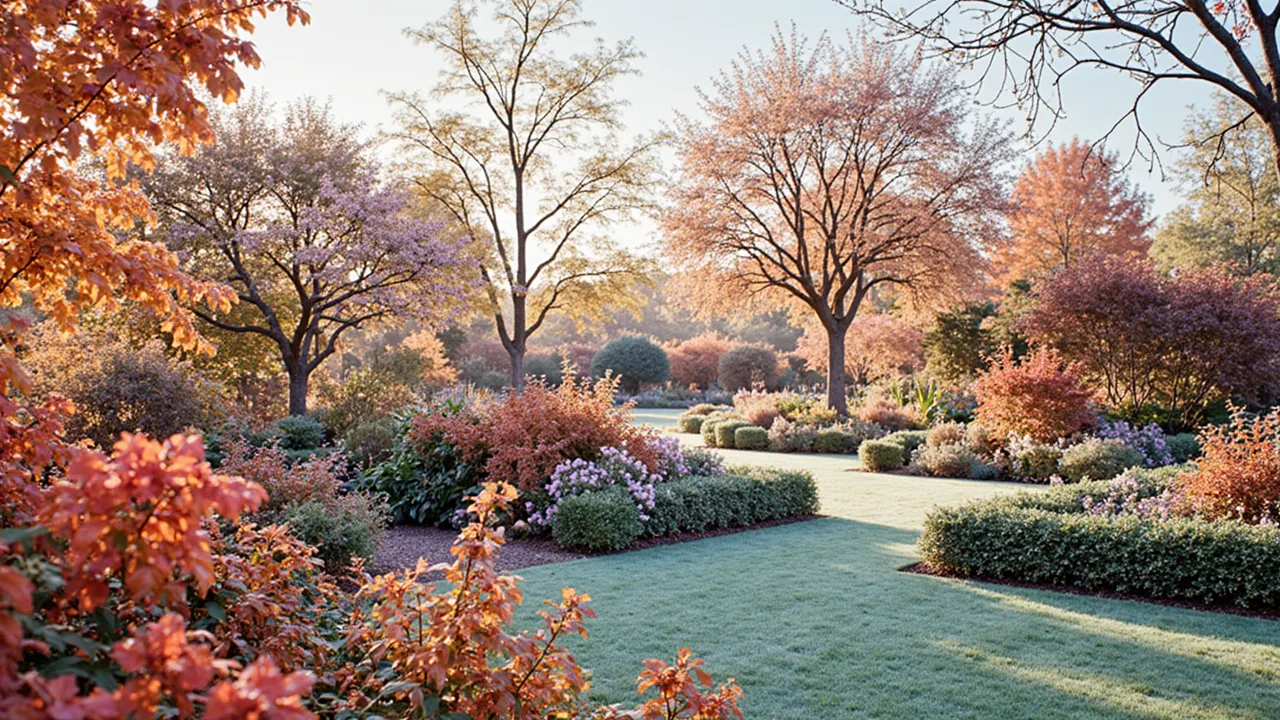
October brings the crisp, clear air of autumn, a time when the garden settles into its quiet rhythm before winter. It’s the perfect moment to prepare for spring while making the most of the final harvests, with the soil still warm enough for planting and the light fading gently. Focus on finishing key tasks before the cold sets in, ensuring your garden thrives through the winter and blooms brilliantly next year. Remember, Scottish and northern UK gardens typically experience earlier frosts—aim to complete critical tasks 2-4 weeks before southern regions.
What to sow and plant
October is prime time for planting spring-flowering bulbs and hardy crops. Plant tulips, daffodils, crocuses, and alliums now—aim for a depth of 15-20cm (three times the bulb’s height) in well-drained soil. For garlic, choose hardneck varieties like ‘Purple Glazer’ or softneck ‘Solent Purple’, planting cloves 10cm deep and 15cm apart in loose, fertile soil. Autumn onion sets (e.g., ‘Autumn King’) and broad beans (‘Aquadulce Claudia’) can be sown directly for a spring crop. Plant out spring cabbage varieties like ‘Savoy Cabbage’ or ‘Early Jersey Wakefield’ in borders, ensuring they’re well-watered. Bare-root trees, shrubs, roses, and hedging (e.g., hawthorn, privet) should be planted immediately—dig a wide hole, soak roots in water for 1-2 hours, and firm soil around them. Divide congested perennials like hostas or ornamental grasses before the ground freezes, replanting divisions in well-prepared soil. For roses, plant bare-root specimens on a mild day, ensuring the graft union is 5cm below soil level.
- Key planting checklist:
- Tulips, daffodils, crocuses, alliums (15-20cm deep, spaced 10-15cm apart)
- Garlic cloves (10cm deep, 15cm apart, in well-rotted compost)
- Autumn onion sets (10cm deep, 10cm apart)
- Broad beans (‘Aquadulce Claudia’) and hardy peas (‘Feltham First’) (5cm deep, 15cm apart)
- Bare-root roses, hedging, and trees (soak roots 1-2 hours, plant within 24 hours)
Pruning and maintenance
Cut back faded herbaceous perennials like heleniums and rudbeckias after the first hard frost to encourage wildlife habitat, or leave seedheads for birds. Trim back wisteria and clematis after flowering (e.g., Clematis montana) to avoid cutting off next year’s buds—cut just above a healthy pair of leaves. Lift and store tender bulbs like Dahlia pinnata (see [our dahlia guide](/plants/dahlia-pinnata)) and gladioli after foliage turns black from frost; cure them in a cool, dry place (10-15°C) for 2 weeks before storing in peat or vermiculite. Remove deadheading from roses to prevent disease, but avoid heavy pruning until late winter. For roses, cut back to a healthy bud facing outwards, using sharp, clean secateurs to make a 45-degree angle above the bud.
Lawn and borders
Give your lawn its final mow of the year on a high cut (around 5cm) to protect crowns from winter damage. Rake all fallen leaves into bins or sacks for leaf mould—this is far better than burning or sending to landfill. Edge borders to tidy up and prevent grass encroachment. Apply a 5cm layer of well-rotted garden compost or mulch around established perennials, shrubs, and roses to insulate roots. Avoid mulching too thickly around tender plants like roses, as this can encourage rot. For borders, remove spent annuals like marigolds and petunias, but leave perennial seed heads for birds. If planting new perennials, dig a hole twice the width of the root ball and mix in 20% well-rotted compost.
Harvesting now
This is the peak for maincrop harvests. Pick apples (e.g., ‘Cortland’, ‘Bramley’ for cooking, ‘Cox’s Orange Pippin’ for eating) before heavy frosts—check for easy detachment from the branch. Harvest pears (‘Conference’, ‘Beurre Bosc’) when they feel slightly soft at the stem. Pick pumpkins and squash (Cucurbita pepo, see [our squash guide](/plants/cucurbita-pepo)) when their skin hardens and turns deep orange. Harvest maincrop potatoes (e.g., ‘Kestrel’, ‘Sarpo Mira’) carefully with a fork to avoid damage—lift on a dry day and let them cure in a cool, dark place for 2 weeks. Gather the last beans (‘Provider’), tomatoes (‘Sungold’), and autumn raspberries (Rubus idaeus, see [our raspberry guide](/plants/rubus-idaeus)) before night frosts. Remove any diseased or overripe fruit to prevent pests—compost healthy fruit, but burn diseased material to prevent spread.
Pests and problems to watch
Slugs thrive in damp, cool conditions—use organic slug pellets (e.g., iron phosphate-based) or copper tape around pots. Brown rot on fallen fruit (e.g., apples) can spread; remove and compost affected fruit immediately. Grey mould (Botrytis) on dead leaves or spent flowers requires prompt removal. Box blight (Cylindrocladium buxicola) affects box hedges—prune out infected stems and improve air circulation. For all issues, refer to the [GardenWizz Problem Solver](/problem-solver) for UK-specific solutions. Check fruit trees weekly for aphids, which can be washed off with a strong jet of water. For roses, spray with a natural pyrethrum-based pesticide if black spot appears, following the label instructions.
Greenhouse and containers
Bring tender plants like tender geraniums (Pelargonium xhortorum), fuchsias, and tender herbs indoors before hard frosts. Ventilate greenhouses on mild days (above 10°C) for 2-3 hours to prevent condensation and disease. Clean glass surfaces with a soft brush and soapy water to maximise winter light. Reduce watering for container plants significantly—only water when the top 2cm of compost feels dry. Check overwintering plants for pests like aphids or spider mites; treat with neem oil if needed. For containers, move frost-sensitive plants like citrus to a sheltered spot. Ensure greenhouse vents are clear of debris to allow airflow.
Looking ahead to November
November is the peak for bare-root planting, so complete all bulb and tree planting by the end of October. If you haven’t planted tulips yet, do so before the first frost. Begin winter pruning for deciduous trees and shrubs (e.g., roses, fruit trees) once they’re dormant. Refer to the [October gardening calendar](/calendar/october) for a detailed monthly overview. Northern UK gardeners should aim to finish planting 2-4 weeks earlier than their southern counterparts. Prepare for November by ordering bare-root stock early, as supplies deplete fast. For fruit trees, prune after leaf fall to encourage strong new growth in spring.
Plants in this guide
As an Amazon Associate, GardenWizz earns from qualifying purchases made through links on this page (including links within the article). This does not affect the price you pay. See our disclaimer for details.