
Major investment to boost growth at Blue Diamond Garden Centres
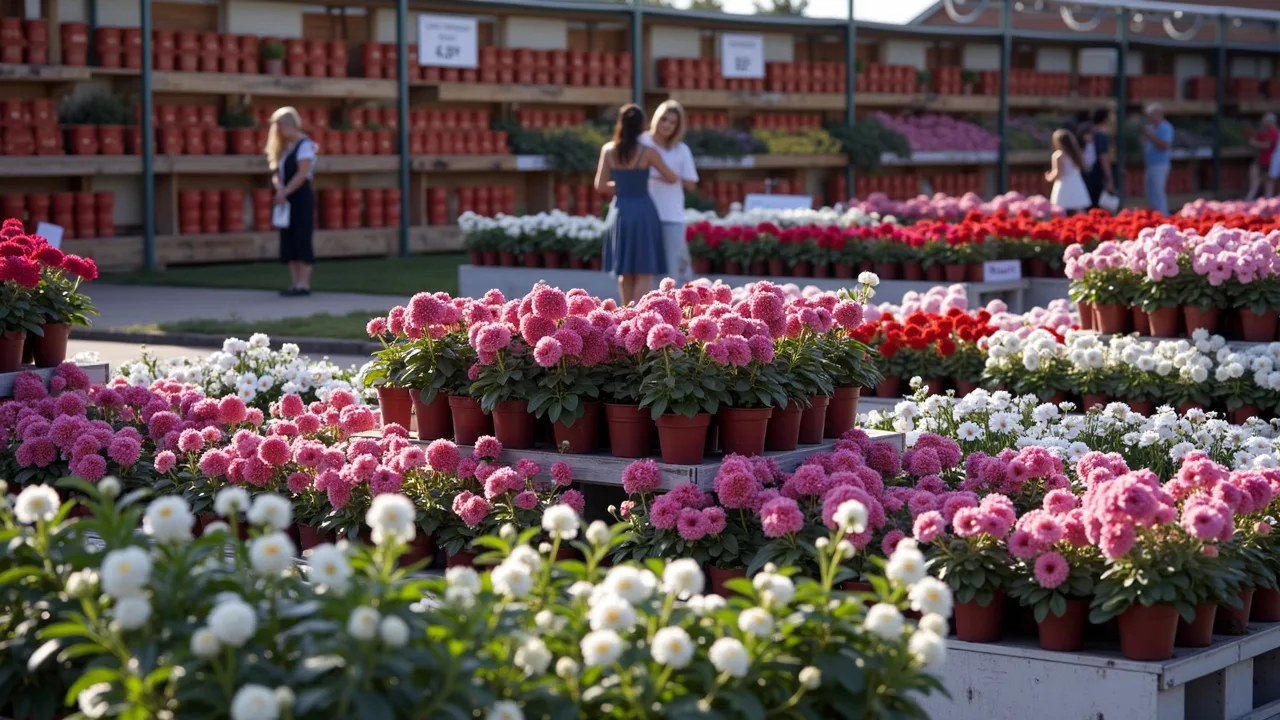
Supporting UK growers: how garden centres shape what you buy
Major investment in UK garden centre groups has been a recurring theme in recent years, and for home gardeners the practical question is simple: what does that mean when you walk through the gate on a Saturday in June? The answer is mostly about range, plant quality, and the advice you can lean on — three things that quietly decide whether your border looks good in August or sulks under a thin layer of compost.
What's happening
The UK's largest garden centre operators — both listed groups and family-run independents — have spent the last decade consolidating and reinvesting. Capital from institutional investors has funded new restaurants, expanded plant areas, and bigger commitments to own-brand gardening ranges. Independent centres, meanwhile, have responded by leaning harder into local character, specialist stock, and grower-direct relationships. For shoppers, the result is a sharper split between destination garden centres (big footprint, gift-heavy, cafe-led) and traditional grower-focused nurseries where the plants are the point.
Underlying both models is a tougher trading environment: rising energy costs, peat-free propagation, and the post-2020 shift in how Britons spend on the garden. Centres that survive tend to be the ones that treat plants as a craft, not a commodity.
What this means for your garden
A new wave of investment is only useful to you if it shows up in the trolley. When choosing where to buy, look past the car park and check four things: how long the staff have worked with plants (not just on tills), whether the outdoor stock is genuinely hardened off for UK weather or freshly unloaded from a lorry, the proportion of peat-free compost on offer, and whether the centre grows even a fraction of its own range on site.
Buy seasonal. June is the last reliable month to plant out tender bedding, dahlias and salvias in most UK regions without cossetting them; from late July the heat and dryness make establishment patchier. If you are planting a new hedge, container-grown beech, hornbeam and yew transplant reliably through to early autumn if you can keep them watered through any dry spells. Hold off on bare-root hedging until November.
Buy peat-free unless a specific plant genuinely refuses to perform without it — and even then, ask the centre which brand they recommend rather than reaching for the cheapest bag. Finally, treat loyalty cards and cafe loyalty as a small discount, not a reason to choose one centre over another: plant quality and a knowledgeable face behind the counter are worth far more than a free coffee.
Key points
- UK garden centre investment is currently flowing into plant range, peat-free stock, and destination retail — not just restaurant expansion.
- Independent centres often out-perform chains on staff expertise and locally-grown stock; chains usually win on price and consistency.
- Plant out tender bedding, dahlias and salvias before late June; delay bare-root hedging until November.
- Always check that outdoor stock is UK-hardened, not freshly imported, before you buy.
- Peat-free compost is now the default UK choice for almost all garden uses.
Related GardenWizz guides
- See our [guide to buying healthy plants at the garden centre](/guides/buying-plants) for what to look for on the bench.
- Browse the [GardenWizz plant A–Z](/plants) for species-by-species UK growing notes.
- Check the [June calendar](/calendar/june) for what to plant, prune and feed this month.
- Plan ahead with the [autumn planting calendar](/calendar/november) if you are putting in a hedge.
First reported by Retail Gazette.
Source: https://www.retailgazette.co.uk/blog/2026/06/blue-diamond-garden-centre/
Plants in this guide
As an Amazon Associate, GardenWizz earns from qualifying purchases made through links on this page (including links within the article). This does not affect the price you pay. See our disclaimer for details.