
How to Take Plant Cuttings and Propagate for Free
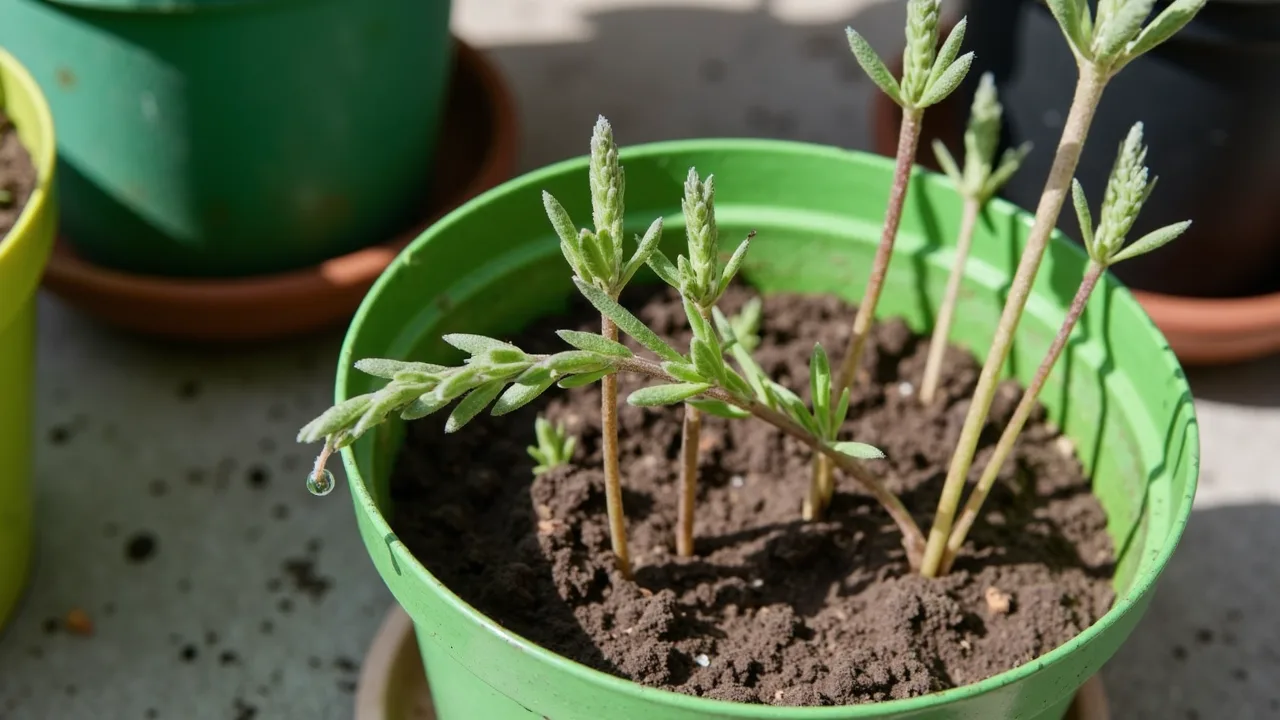
Propagating plants from cuttings is one of the most rewarding and economical ways to expand your garden, using nothing but a few stems from your existing plants. It’s a skill that transforms a tired-looking shrub into a whole new plant, saving you money and preserving beloved varieties. In the UK’s variable climate, mastering this simple technique means you can grow hardy, resilient plants without buying anything new.
When to Take Cuttings: UK Seasonal Timing
Timing is everything for successful cuttings in Britain. The ideal window is late spring to early summer (May–July), when plants are actively growing and temperatures are mild but not scorching. Avoid taking cuttings in winter (December–February) when plants are dormant, or during the intense heat of August, which can cause cuttings to dry out rapidly. For softwood cuttings (from new, flexible growth), aim for late spring—late April to early June is perfect for most herbaceous plants like lavender and pelargoniums. Hardwood cuttings (from mature, woody stems) should be taken in late autumn (October–November) when the plant is dormant, ideal for shrubs like roses or buddleia. Crucially, always take cuttings on a cool, cloudy day or in the early morning to reduce stress on the plant and prevent wilting before you root them.
Selecting the Perfect Parent Plant and Cuttings
Choose a healthy, vigorous parent plant that’s free from pests, disease, or stress—never take cuttings from a struggling plant. For UK gardens, focus on plants known to root easily: lavender (especially English varieties like 'Hidcote'), rosemary, pelargoniums (geraniums), lavender, and hardy perennials like hostas or heuchera. Take cuttings from the current season’s growth, not old, woody stems. For softwood cuttings (most common for summer propagation), select a 10–15cm shoot with 2–3 leaf nodes (the bumps where leaves attach), just below a leaf joint. Remove the lower leaves, leaving 2–3 leaves at the top. Ensure your cutting has a clean, angled cut (use sharp, sterilised secateurs or a knife) to maximise water uptake. Avoid taking more than one-third of a plant’s growth at once—this preserves its health and appearance.
Preparing and Rooting Your Cuttings: Simple UK Methods
You don’t need expensive equipment to root cuttings successfully. For softwood cuttings, use a clean, small pot or plastic cup filled with a mix of equal parts multipurpose compost and sharp sand (or perlite for drainage), or even just moistened kitchen roll in a sealed plastic bag. Insert the cutting 2–3cm deep into the compost, ensuring at least one node is buried. For a natural UK-friendly humidity boost, cover the pot loosely with a clear plastic bag or cut-off plastic bottle (remove the cap for airflow). Place the cuttings in a bright, indirect spot—never in direct sun, which can overheat them. In UK conditions, a north-facing windowsill or a shaded greenhouse is ideal. Avoid draughts and keep the compost moist but not soggy; check daily. Rooting typically takes 3–6 weeks. For hardwood cuttings, bury the cutting 15cm deep in a sheltered border, leaving 2–3 buds above ground.
Key steps for success
- Sterilise tools with rubbing alcohol before cutting to prevent disease.
- Use a rooting hormone (optional but helpful) by dipping the cut end in powder or liquid (e.g., willow water: steep 10 willow twigs in water for 24 hours).
- Water gently after planting—never soak the compost.
- Label clearly with the plant name and date (e.g., "Lavender 'Hidcote' – 15 May").
Aftercare: Transitioning to Independence
Once roots are visible through the pot’s drainage holes (or gently tug to feel resistance), it’s time to harden off your new plants. This means gradually acclimatising them to outdoor conditions over 7–10 days. Start by removing the plastic cover for 1–2 hours daily, increasing the time each day. After a week, leave it off permanently. If you’ve been growing cuttings indoors, move them to a sheltered spot outside for a few days before planting them permanently. In the UK, wait until after the last frost (typically mid-April in most regions) to plant out in a well-drained, sunny or partially shaded spot. Water thoroughly after planting and mulch with garden compost to retain moisture. For tender plants like pelargoniums, keep them in a cold frame for their first winter.
Troubleshooting Common UK Issues
If cuttings wilt or turn black, it’s usually due to overwatering or insufficient light. Check the compost—damp, not wet—and move to a brighter spot. If leaves turn yellow, reduce watering and ensure good airflow. In the UK’s cool, damp springs, cuttings can rot if kept too moist; use a well-draining compost mix and avoid sitting water. For plants that struggle to root (like some roses), try taking cuttings in late summer (August) when growth slows and the wood is slightly harder. If a cutting fails, don’t despair—repeated attempts often succeed. Remember, asexual propagation means your new plant will be genetically identical to the parent, so it will flower or fruit exactly as the original did, preserving your favourite varieties year after year.
#UKGardening #FreePropagation #PlantCuttings #GardenWizz #UKGarden #PropagateYourGarden #SustainableGardening
Plants in this guide
As an Amazon Associate, GardenWizz earns from qualifying purchases made through links on this page (including links within the article). This does not affect the price you pay. See our disclaimer for details.