
How to Prune Roses: A Step-by-Step Guide for UK Gardens
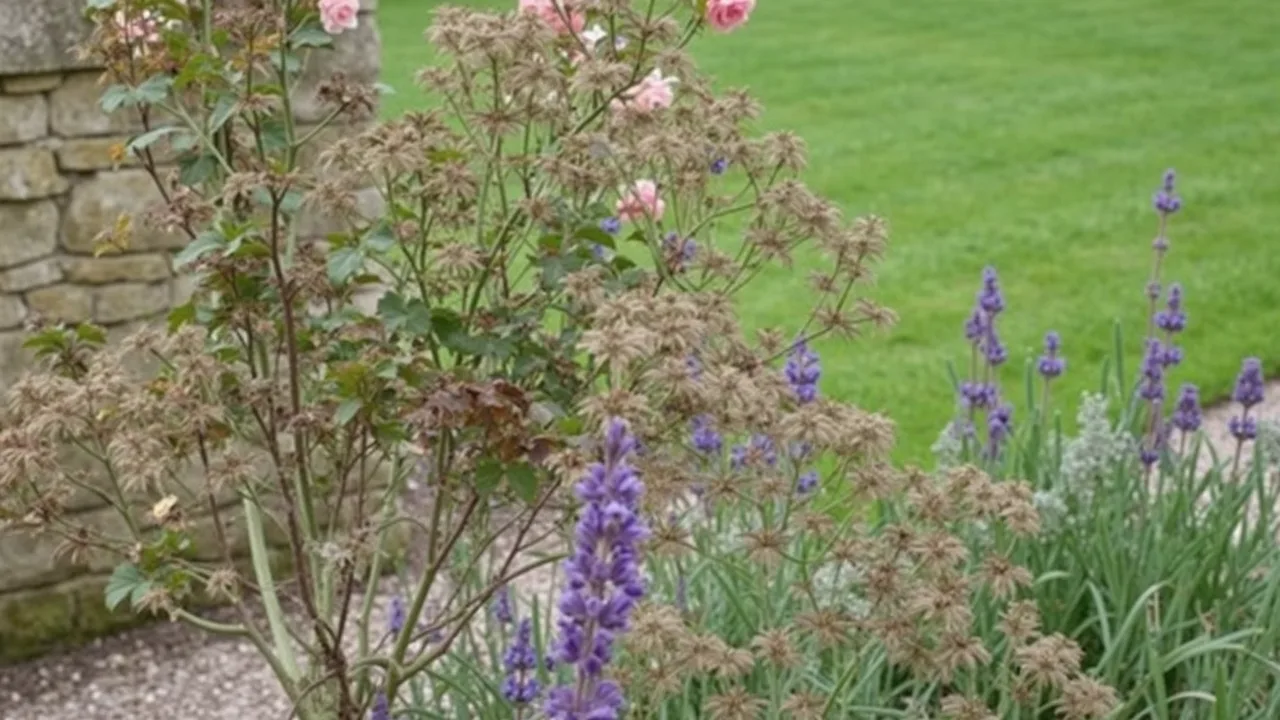
Pruning roses is the single most important task for healthy, floriferous blooms in your UK garden. Done correctly, it encourages vigorous new growth, improves air circulation to prevent disease, and shapes plants for years of beauty. Forget complex rules – this guide cuts through the confusion with clear, UK-seasoned advice you can follow with confidence this spring.
Timing Your Pruning for UK Success
The optimal window for most rose pruning in the UK is late February to early March, when the ground begins to thaw but before significant new growth emerges. This timing avoids the risk of cutting back into tender new shoots that could be damaged by late frosts, which are common in March and April. In milder southern regions like Cornwall or the South Coast, you might start as early as late February, while northern gardens in Scotland or the Pennines should wait until early March. Crucially, avoid pruning during prolonged cold snaps or when the soil is waterlogged – wait for a dry, mild day. For ramblers and climbers that flower on old wood (like 'Madame Isaac Pereire'), prune after their main spring bloom, typically in late June, to avoid removing next year’s flower buds.
Essential Tools and Safety
Investing in quality, sharp tools is non-negotiable. Use bypass secateurs (not anvil types) for clean cuts that heal quickly – Felco 2 or similar are trusted UK garden staples. Always sterilise blades with rubbing alcohol between plants to prevent spreading disease. Wear thick gardening gloves (leather or heavy-duty fabric) and safety glasses; rose thorns can cause serious injury, and flying debris is common. Before you start, clear the area of weeds and debris around the rose base to make access easier and reduce disease risk. Have a bucket ready for removed stems and a small bag for diseased wood to dispose of safely (do not compost).
The Core Pruning Technique: Step-by-Step
Begin by removing all dead, damaged, or diseased wood. Cut back to healthy, green tissue, making a clean cut just above a strong, outward-facing bud (the small, raised bump on the stem). Next, eliminate any thin, weak growth (less than a pencil thickness) as it won’t support good blooms. Focus on creating an open, vase-shaped structure: remove any stems crossing or rubbing against each other, and cut back any stems growing straight down into the centre of the plant. For Hybrid Teas and Floribundas (the most common UK garden roses), aim for a height of 30-45cm (12-18 inches) above the ground. Make each cut at a 45-degree angle, 5mm (¼ inch) above an outward-facing bud – this directs new growth away from the centre, improving airflow and light penetration.
- Key Steps Checklist:
- Remove all dead/diseased wood (cut back to living, green wood).
- Cut away weak, thin stems and any crossing/rubbing branches.
- Cut back to 30-45cm (12-18") for standard roses.
- Make angled cuts 5mm above an outward-facing bud.
- Ensure the final shape is open and vase-like.
Special Cases: Climbers, Ramblers, and Old Roses
Climbing roses (like 'New Dawn' or 'The Fairy') require different handling. Prune them after their main spring bloom (late June/July), removing only the oldest, unproductive stems at the base and lightly trimming side shoots to encourage new flowering later in the season. Ramblers (e.g., 'Lady Hillingdon') flower on old wood, so prune immediately after flowering (late June) to avoid cutting off next year’s buds, focusing on removing old, woody stems and tying in new growth. For old garden roses (like 'Maiden's Blush' or 'Zéphirine Drouhin'), which often have a more natural, bushy habit, prune less severely. Remove only dead or damaged wood in late winter, and avoid cutting back hard unless necessary for size control – they often bloom well on older wood.
Post-Pruning Care for Maximum Blooms
Your work isn’t done once the cuts are made. Immediately after pruning, apply a generous layer (5-7cm / 2-3 inches) of well-rotted garden compost or manure around the base of the plant, keeping it well away from the stems to prevent rot. This feeds the roots as they awaken and helps retain soil moisture. Water thoroughly if the soil is dry. Apply a balanced, slow-release rose fertiliser (like a 10-10-10 NPK) according to the packet instructions, usually after pruning or when new growth appears. For repeat-flowering varieties, a light application of a high-potash feed (like tomato feed) every 2-3 weeks during the growing season will boost bloom production. Crucially, monitor for pests like aphids or black spot as new growth emerges – a simple spray of soapy water can often manage early infestations.
Why Pruning Matters: The UK Climate Context
Pruning isn’t just about looks; it’s vital for UK resilience. Our damp, cool springs create perfect conditions for fungal diseases like black spot and mildew. An open, well-pruned plant allows sunlight and air to circulate freely, drying leaves quickly after rain and reducing disease pressure. This is especially critical in the UK’s often overcast spring weather. Furthermore, pruning stimulates strong, healthy new growth that’s better equipped to withstand our variable summer weather – from sudden downpours to heatwaves. Neglecting this step leads to crowded, leggy plants with poor flowering and constant disease issues, turning your garden into a battle rather than a joy.
As an Amazon Associate, GardenWizz earns from qualifying purchases made through links on this page (including links within the article). This does not affect the price you pay. See our disclaimer for details.