
Tomato and Potato Blight: How to Spot, Stop and Prevent It
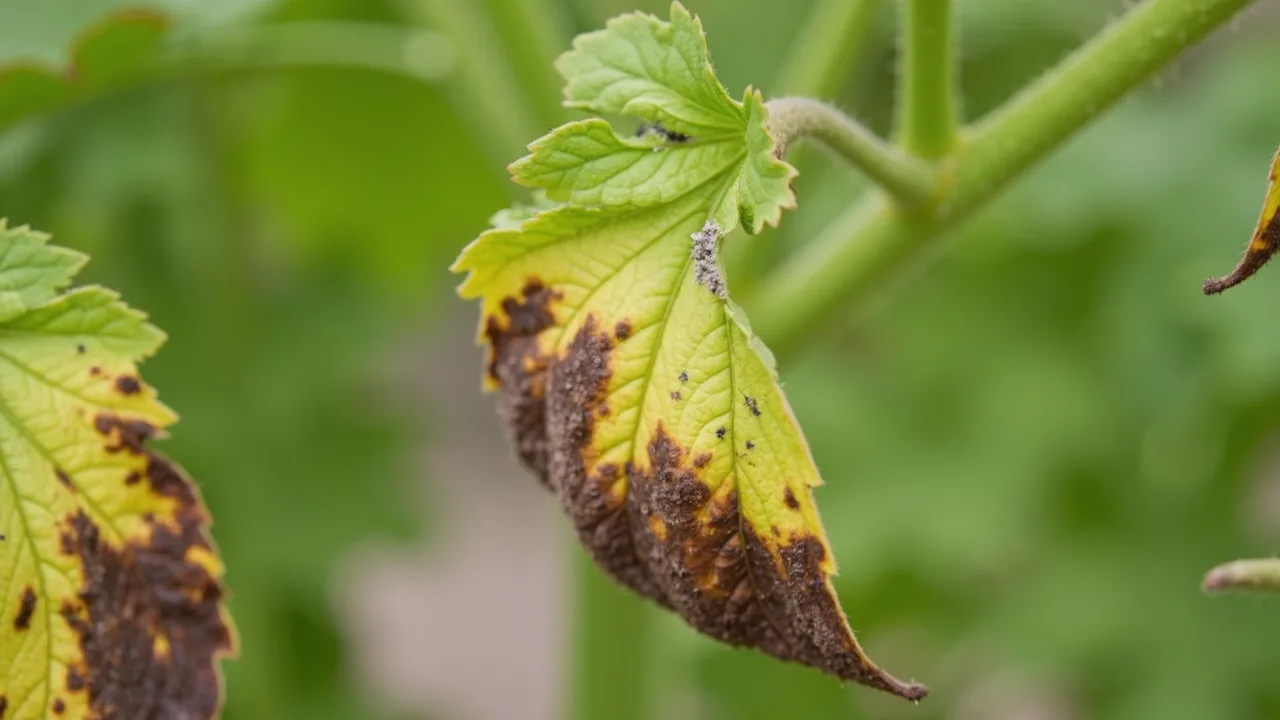
Late blight strikes fear into UK gardeners' hearts, turning lush tomato and potato crops into slimy ruin within days. This relentless pathogen, Phytophthora infestans, thrives in our damp, cool springs and autumns, making it a constant threat. But with early detection and smart action, you can save your harvest and protect next year’s crop.
Spotting Blight Before It Spreads
Don’t wait for the whole plant to collapse. Early symptoms are subtle but critical to catch. Look for dark green, water-soaked spots on the lower leaves, especially near the leaf tips or edges where dew collects – often appearing by late June or early July when temperatures hover around 12-18°C (54-64°F) and humidity is high. Under humid conditions (over 75% humidity for two days), a faint white, fuzzy mold may develop on the undersides of these leaves. As the disease progresses, spots turn brown then black, leaves curl and die, and stems develop dark, sunken lesions. Crucially, infected tubers show grey or dark patches beneath the skin, turning reddish-brown and rapidly decaying into foul-smelling mush – a sign you might have missed it earlier.
Key UK spotting checklist:
- Timing: Check daily during cool, wet spells (typically April–August, peaking July–August).
- Location: Focus on lower leaves first, near the soil line where moisture lingers.
- Conditions: Prioritise inspection after rain or heavy dew, especially if temperatures are 15–20°C (59–68°F).
- Varieties: Susceptible UK varieties include 'Desiree' potatoes and 'Ailsa Craig' tomatoes; resistant options like 'Sarpo Mira' potatoes or 'Defiant' tomatoes show fewer symptoms.
Immediate Action for Active Infections
If you spot blight, act within 24 hours – it spreads rapidly. Remove all infected leaves, stems, and fruit immediately. Do not compost these; bag them securely and dispose of them in the household bin (not the green bin) to prevent spores from spreading. For tomatoes, prune infected stems back to healthy growth, cutting at least 10cm below visible damage. For potatoes, carefully dig up and discard infected tubers, but leave healthy ones in the ground for a few more days to allow the soil to dry. Avoid overhead watering for at least a week – water at soil level using a soaker hose instead. Apply a copper-based fungicide (like Copper Oxychloride 50% WP, approved for UK organic growing) as a preventative spray after removal, following label instructions for 7–10 days.
Critical UK-specific steps:
- Timing: Spray before rain (ideally on a dry, calm day) to avoid washing off the fungicide.
- Dosage: Mix 25g per 10 litres of water for potatoes; 15g per 10 litres for tomatoes (check product labels).
- Frequency: Reapply every 7 days during wet weather, or after heavy rain.
- Avoid: Using nitrogen-heavy fertilisers during an outbreak – this encourages soft, succulent growth that blight loves.
Preventing Future Outbreaks: Crop Rotation & Soil Management
The real key to beating blight long-term is breaking its life cycle. Phytophthora infestans survives in soil via oospores for years, especially if infected tubers or plant debris were left in the ground. Rotate potato and tomato crops for at least 3 years – never plant them in the same spot consecutively. After harvest, dig up all tubers, even small ones; leave no cull piles or volunteer plants (sprouts from last year’s tubers), as these are major infection sources. In autumn, dig over potato beds to expose debris to frost, which kills the pathogen. For tomatoes, remove all spent plants and clear debris thoroughly in October – don’t leave them to rot in the soil.
UK soil management tips:
- Soil Type: Heavy clay soils (common in UK gardens) retain moisture longer, increasing blight risk. Improve drainage with grit or well-rotted compost before planting.
- Timing: Plant potatoes in early spring (March–April) when soil warms to 7–10°C (45–50°F), avoiding cold, wet periods.
- Tuber Storage: Store harvested potatoes in a cool, dark, dry place (not a damp cellar) at 4–7°C (40–45°F) to prevent rotting and secondary infection.
Choosing Resistant Varieties for UK Gardens
Resistant varieties are your best defence. For potatoes, choose 'Sarpo Mira' (highly resistant, great for chipping) or 'Sarpo Axona' (resistant, good for baking). Avoid susceptible UK classics like 'King Edward' or 'Russet Burbank' if blight is a recurring issue. For tomatoes, opt for 'Defiant PHR' (resistant to blight and other diseases) or 'Plum Regal' (disease-resistant, good for sauces). These varieties have been bred to resist Phytophthora infestans without needing heavy fungicide use.
UK planting advice:
- Tomatoes: Start seeds indoors in February/March, transplant outdoors after the last frost (late May/early June) to avoid early-season cool, wet conditions.
- Potatoes: Plant 'Sarpo' varieties in March for a July harvest, ensuring they’re in a sunny, well-drained spot.
- Spacing: Space plants 45cm (18in) apart to improve air circulation – dense planting traps moisture, encouraging blight.
Handling Infected Tubers & Storage
Infected tubers are a silent killer. Even if they look fine above ground, blight can rot them in storage. Never store tubers from a blighted crop – they’ll decay rapidly and infect healthy ones. If you must store potatoes, inspect them thoroughly before putting them in storage: discard any with grey, brown, or soft spots. Store in a dark, cool (4–7°C), dry place with good airflow – a ventilated crate in a shed works better than a plastic bag. For UK gardeners, a dry, unheated garage or root cellar is ideal; avoid damp basements.
Storage checklist:
- Temperature: 4–7°C (40–45°F) – never above 10°C (50°F).
- Humidity: 85–90% (use a damp cloth in a storage box if too dry).
- Inspection: Check weekly for soft spots; remove any affected tubers immediately.
- Avoid: Storing potatoes near apples or onions – they release ethylene gas, which speeds up rotting.
#UKGardening #PotatoBlight #TomatoDisease #GardenWizz #BlightPrevention #OrganicGardening #UKGardenTips
As an Amazon Associate, GardenWizz earns from qualifying purchases made through links on this page (including links within the article). This does not affect the price you pay. See our disclaimer for details.