
Rust on Plants: How to Identify and Treat Garden Rust
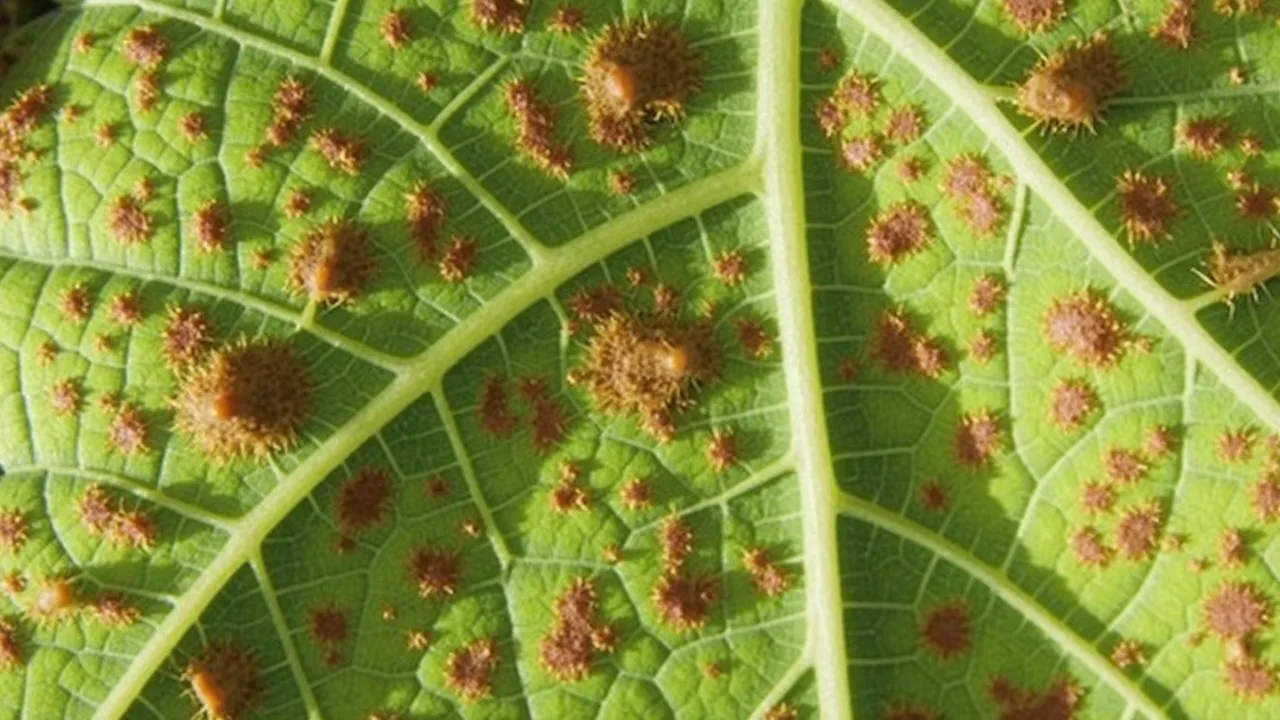
Rust on your plants isn’t just unsightly – it’s a fungal thief stealing your garden’s vitality, weakening plants and reducing blooms or harvests. The good news? With UK-specific timing and practical steps, you can spot it early, stop its spread, and protect your garden without resorting to harsh chemicals. This guide cuts through the jargon to give you clear, actionable advice for common UK rusts on roses, beans, and hollyhocks.
Identifying Rust: Spot the Signs Early
Rust appears as orange, brown, or reddish powdery spores on leaves, often with yellow or pale spots on the upper surface. For UK gardeners, check susceptible plants weekly from late April to early October, especially after wet spells. On roses, look for orange pustules on the undersides of lower leaves; on runner beans, expect brick-red spots on leaves and stems; hollyhocks show rust on both leaf surfaces with a distinctive orange bloom. Severely affected plants may look stunted, with yellowed leaves (chlorosis) and reduced flowering or pod production. Crucially, rust is host-specific – rose rust won’t infect your beans, so focus your vigilance on vulnerable plants in your own plot.
- Key UK Signs to Check For:
- Orange/brown spore pustules on leaf undersides (especially on roses, beans, hollyhocks)
- Yellow or pale spots on the top surface of leaves
- Premature leaf drop in late summer
- Stunted growth or poor flowering on affected plants
- Powdery spores that rub off on your fingers (not to be confused with mildew)
Why Rust Thrives in UK Gardens: The Climate Factor
UK weather is rust’s perfect playground. Rust fungi thrive in cool, damp conditions followed by warm, humid periods – common in British springs and autumns. The increased frequency of wet days due to climate change means rust outbreaks are becoming more common and severe, particularly on susceptible varieties. Unlike some diseases, rust doesn’t kill plants outright but weakens them, making them vulnerable to winter damage or reducing yields. For example, a severe bean rust infection in July can mean half your crop fails before harvest. Crucially, rust fungi only live on living plants, so they won’t survive the winter on dead leaves – but they will overwinter on host plants like hollyhocks or rose bushes if not managed.
Prevention: Stop Rust Before It Starts
Prevention is far easier than cure, especially in the UK’s variable climate. Start by choosing rust-resistant varieties: for roses, opt for 'Crimson Glory' or 'Graham Thomas'; for beans, select 'Tendergreen' or 'Provider'. Plant in full sun with good air circulation – space plants 30-45cm apart (not crowded) to reduce humidity. Avoid overhead watering; water at soil level early in the day so leaves dry quickly. In late autumn, clear all infected leaves and debris from the soil surface – this is critical as rust spores overwinter on fallen leaves. For hollyhocks, cut back stems to ground level in October; for roses, prune out any infected canes in late winter. A thick mulch of well-rotted garden compost in spring also helps suppress spores.
Treating Active Rust Infections
If rust appears, act swiftly in early summer (June-July) when spores are most active. First, remove all infected leaves immediately – cut 10cm below visible spots and burn them (do not compost). For roses, prune out affected stems back to healthy growth; for beans, remove entire infected leaves and stems. For severe cases on hollyhocks, cut back the entire plant to 15cm above soil level in early July. Avoid wetting leaves when spraying. If needed, apply a preventative copper-based fungicide (like Bordeaux mixture) at the first sign of infection – spray thoroughly on both leaf surfaces, repeating every 7-10 days for 3 applications. Crucially: Do not use systemic fungicides like myclobutanil on edible crops like beans – copper is the UK-approved organic choice. For roses, a light application of sulphur dust (for preventative use) can help, but copper is more effective once infection is visible.
- Step-by-Step Treatment for Beans:
- Remove all infected leaves and stems (wear gloves) – bag and burn.
- Spray with copper fungicide (e.g., 5% solution) on both leaf surfaces.
- Repeat every 7 days for 3 applications.
- Stake plants to improve air flow (prevents humidity build-up).
- Avoid planting beans in the same spot for 2 years to break the cycle.
When to Let Go: Severely Affected Plants
Sometimes, rust is too advanced. For roses or hollyhocks with 70%+ of leaves infected by late July, it’s often best to remove the entire plant – don’t risk spreading spores to healthy neighbours. For beans, if most of the crop is affected by mid-July, pull up the plants and compost them (ensure the compost pile heats up to kill spores). Don’t save seeds from infected plants – rust spores can survive in seed. Remember, rust fungi only infect living plants, so removing the host stops the cycle. In the UK, this is especially important for perennial hosts like hollyhocks or roses that can harbour rust year after year.
Long-Term Resilience: Building a Rust-Resistant Garden
To keep rust at bay long-term, diversify your plant choices. Avoid monocultures – mix roses with rust-resistant shrubs like lavender or box. Rotate annual crops like beans yearly; never plant beans in the same soil for two consecutive years. In autumn, apply a thick layer of well-rotted manure to the soil around roses – this suppresses spores and improves plant health. For hollyhocks, consider replacing old varieties with newer rust-resistant cultivars like 'Maiden’s Blush' or 'Prairie Sunset'. Finally, monitor your garden after heavy rain – a quick check every few days in June/July can catch rust before it spreads. Healthy, well-spaced plants resist rust far better than stressed, crowded ones.
#UKGardening #RustFreeGarden #BritishGardening #OrganicGardening #RoseCare #BeanGrowing #GardenHealth
Plants in this guide
As an Amazon Associate, GardenWizz earns from qualifying purchases made through links on this page (including links within the article). This does not affect the price you pay. See our disclaimer for details.