
Vine Weevil: How to Spot and Control This Garden Pest
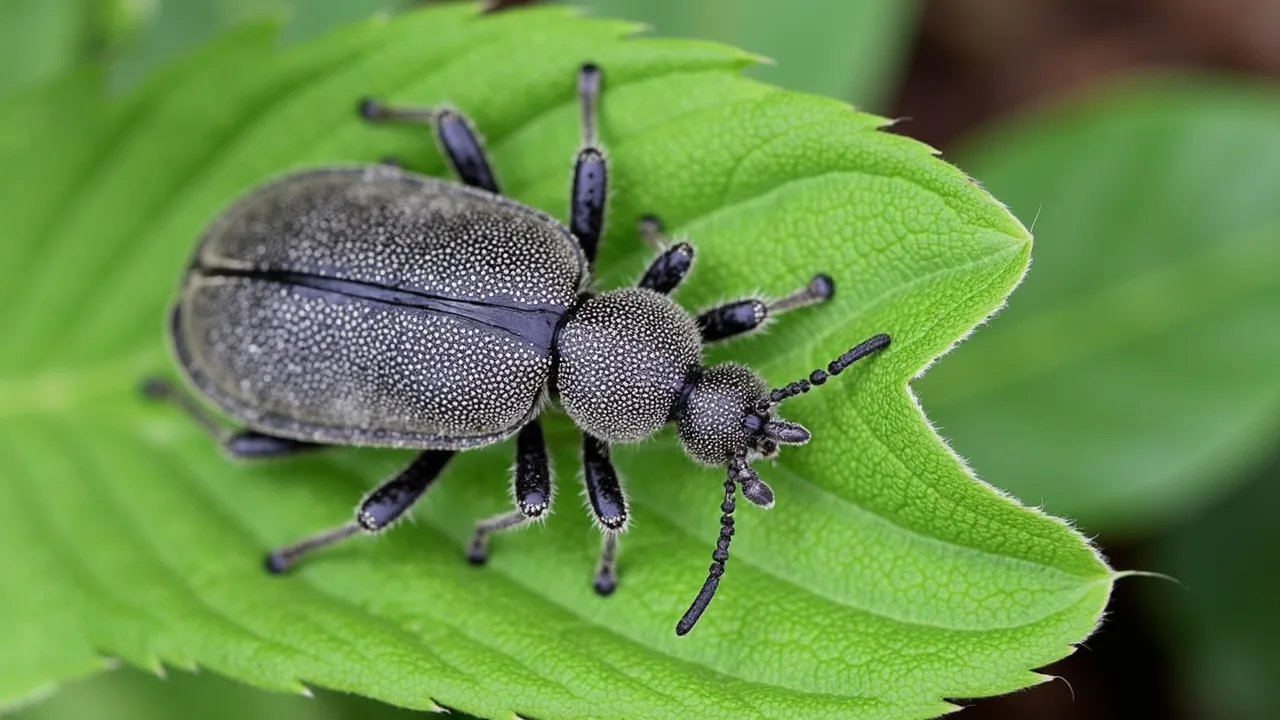
Spotting and tackling vine weevil damage can feel like a gardening mystery, but it’s a very real and common problem across UK gardens, especially affecting beloved evergreens and container plants. The adults chew notched leaf edges at night, while the grubs silently destroy roots below ground, often leading to sudden plant collapse. The good news is that with the right timing and methods, you can effectively manage this pest without harsh chemicals.
Spotting the Signs Early
The first clue to vine weevil trouble is often the notched, jagged edges on leaves of your favourite evergreens – think rhododendrons, camellias, or bergenia – particularly noticeable after a warm evening. But the real damage hides underground. Grubs, creamy white with a tan head, feast on roots and the base of stems, especially in containers where roots can’t spread. You’ll spot this when plants suddenly wilt or fail to thrive, even with regular watering, as their root systems are being eaten away. Crucially, this happens most actively in late summer and autumn when grubs are feeding voraciously before winter.
How to confirm: Gently lift a plant from its pot or dig around the base of a ground-planted shrub. If you see small, creamy-white grubs (up to 1 cm long) near the roots or soil surface, and the roots look chewed or missing, vine weevil is almost certainly the culprit. Don’t confuse this with other pests – vine weevil grubs are legless and curved, unlike wireworms which are longer and straighter.
Understanding the Lifecycle for Effective Timing
Knowing when the pest is active is key to beating it. Adults emerge in late spring (May-June) but are most active feeding at night from late summer through to autumn (August-October), before seeking soil to lay eggs. The eggs hatch into grubs that feed on roots through autumn and winter, causing the most damage. Crucially, the grubs pupate in spring (March-April), so the best time to target them is when they’re actively feeding in the soil – late autumn (September-October) or early spring (March-April). This is when biological controls like nematodes are most effective, as they seek out the grubs before they pupate.
Avoid treating in hot, dry weather (July-August) when grubs burrow deeper or during frosty periods. The lifecycle means you need to act before the grubs cause irreversible root damage, typically targeting them in the soil when they’re most vulnerable and active.
Biological Controls: The Nematode Solution
Chemical insecticides are largely ineffective and often unavailable for garden use due to environmental concerns. The most reliable, UK-friendly solution is using parasitic nematodes – specifically Steinernema kraussei or Heterorhabditis bacteriophora (often sold as "cruiser" nematodes). These microscopic worms seek out and kill vine weevil grubs underground without harming beneficial insects, pets, or people. They’re widely available from garden centres (look for brands like Nemasys or BioNema) and by mail order.
Applying nematodes correctly:
- Timing: Apply in late autumn (Sept-Oct) or early spring (March-April) when soil temperatures are above 10°C (ideally 10-15°C) and soil is moist.
- Preparation: Mix the nematodes with water as per packet instructions (usually 1-2g per 1L water for a small area). Add a little liquid soap to help them disperse.
- Application: Water thoroughly into the soil around the affected plants, ensuring it penetrates to the root zone. Water deeply after application to help nematodes move through the soil. Use 2 litres of solution per square metre of soil.
- Aftercare: Keep the soil moist for 2-3 days after application (water if dry), but avoid heavy rain. Nematodes work best in damp, cool soil, not dry or waterlogged conditions.
Physical Barriers for Adult Weevils
While nematodes tackle the grubs, you can disrupt the adults’ feeding cycle. Adults climb plants at night to eat leaves but return to the soil during the day. Creating a physical barrier around the trunk stops them from climbing back up. Use a sticky barrier like Tree Tanglefoot (a UK-standard product), applied in a band 10-15cm wide around the trunk or pot stem, starting 15cm above the soil line. Reapply after heavy rain or if the barrier dries out.
Key points for success:
- Apply the barrier before adults become active (late April/early May).
- Check and reapply regularly, especially after rain.
- Ensure the barrier is smooth and not blocked by debris.
- This method is most effective for shrubs and trees, less so for low-growing plants like bergenia.
Manual Removal: A Nightly Habit
For smaller infestations or as a supplement to nematodes, manually removing adults is surprisingly effective. They feed at night on leaf edges, so this is the only time you can find them. Go out with a dim light (a small torch with a red filter or a candle – not a bright flashlight which will scare them away) and gently shake plants to dislodge the weevils onto a tray or into a bucket of soapy water. Do this for 10-15 minutes each evening for a week or two during their peak feeding period (late summer to early autumn).
Why this works: It directly reduces the number of adults laying eggs, breaking the cycle. It’s labour-intensive but highly effective for a few prized plants, especially if you spot the notching early.
Prevention for Future Seasons
Preventing vine weevil is harder than treating it, but you can reduce risks. Avoid planting susceptible plants (like rhododendrons) in heavy clay soils that retain moisture – grubs thrive in damp conditions. Ensure good drainage, especially for container plants, as waterlogged soil encourages grubs. When repotting, inspect roots carefully for grubs and treat the new soil with nematodes as a preventative measure. For new plants, consider using a nematode drench during planting as a preventative barrier.
Preventative checklist:
- Treat new container plants with nematodes at planting time.
- Ensure pots have drainage holes and use well-draining compost.
- Apply nematodes to soil around susceptible plants in autumn before grubs become active.
- Avoid overwatering, especially in containers.
#UKGardening #VineWeevil #GardenPests #OrganicGardening #UKGardenTips #PlantHealth #Nematodes
As an Amazon Associate, GardenWizz earns from qualifying purchases made through links on this page (including links within the article). This does not affect the price you pay. See our disclaimer for details.