
Best Plants for Small Gardens and Tight Spaces
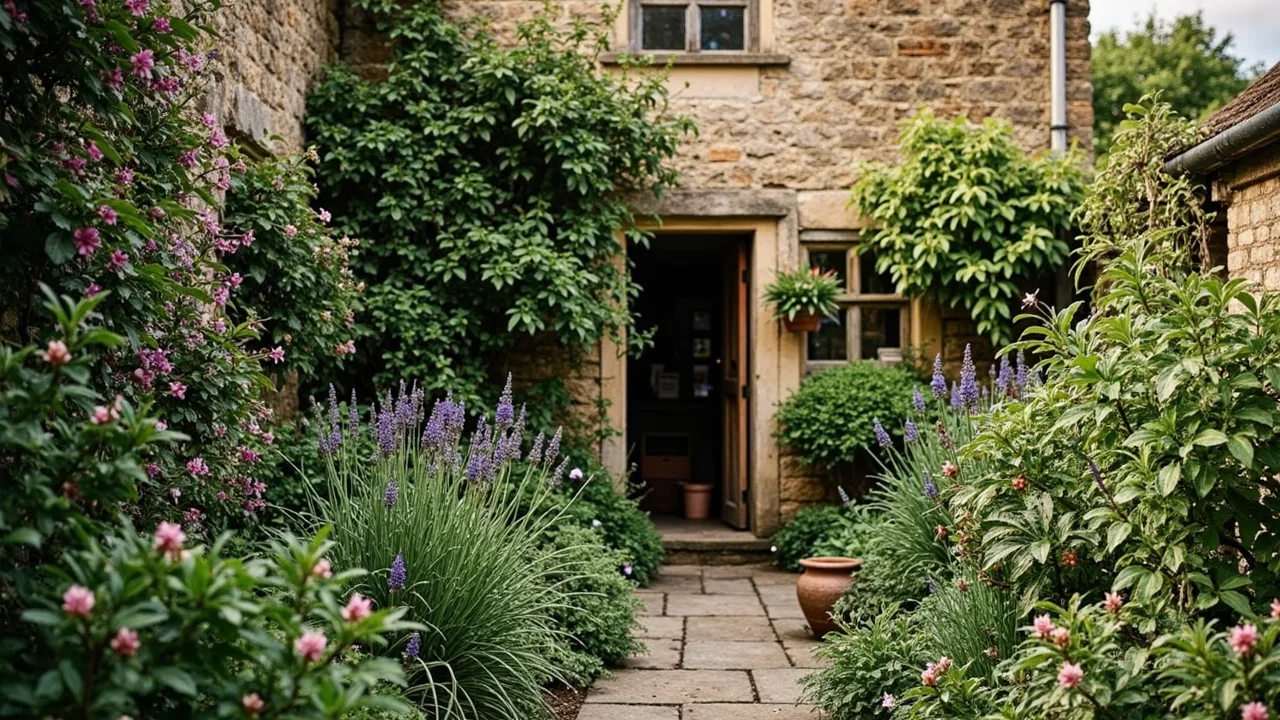
Small gardens are perfect for UK gardeners seeking beauty without the overwhelm. With clever planning, even a 2m x 2m patch can yield abundant flowers, herbs, and vegetables year-round, transforming tight spaces into thriving havens. Forget the myth that small means sparse; it’s about smart choices and understanding our unique climate and seasons.
Maximise Vertical Space
Vertical gardening is non-negotiable for small UK plots. It leverages height, creates privacy, and makes the most of limited ground area. Choose sturdy supports like bamboo canes, recycled trellises, or purpose-built wall planters – avoid flimsy netting that collapses under UK rain. Climbing plants thrive on south or west-facing walls, soaking up crucial sun. Sweet peas (Lathyrus odoratus) are quintessential UK verticals; sow seeds in late February in a sheltered spot, then train shoots up a 1.8m trellis. For year-round interest, combine with hardy clematis like 'Jackmanii' – plant bare-root in December or January, ensuring the crown is 5cm below soil level. In early summer, add trailing nasturtiums (Tropaeolum majus) in hanging baskets above your vegetable patch; they repel aphids naturally and tolerate our variable spring weather.
- Essential Vertical Plants: Sweet peas (sow Feb), Clematis 'Jackmanii' (plant Dec-Jan), Nasturtiums (sow direct May).
- Key Tip: Always secure supports firmly into the ground or wall – UK winds can easily dislodge loose structures.
Choose Compact, UK-Adapted Varieties
Forget sprawling giants; UK small gardens need plants bred for tight quarters and our cooler, damper climate. For vegetables, opt for dwarf or bush varieties: 'Little Gem' lettuce (sow February–April, harvest in 6 weeks), 'Tomato 'Tumbling Tom'' (dwarf, container-friendly, plant after last frost), and 'Climbing Bean 'Scarlet Emperor'' (sow indoors March, plant out May). Herbs are perfect for borders or pots – thyme, oregano, and dwarf rosemary thrive in small spaces and need minimal water. For flowers, choose compact perennials like 'Sedum 'Autumn Joy'' (plant in April, blooms late summer), 'Heuchera 'Palace Purple'' (plant in spring, thrives in shade), or dwarf coneflowers (Echinacea purpurea 'White Swan'). Avoid large-growing types like standard tomatoes or sprawling peas; they’ll dominate and need excessive space.
Container Gardening Essentials
Containers are your small garden’s secret weapon, but UK weather demands careful choices. Use pots with drainage holes (terracotta or plastic) at least 30cm deep for most edibles. Fill with a mix of 50% John Innes No. 2 (for structure) and 50% peat-free compost (for moisture retention) – crucial as UK soil can be heavy and waterlogged. Plant in late April or early May, after the last frost risk (typically late April in most UK zones). For herbs, group rosemary, thyme, and mint in one large pot (mint needs its own container to prevent spreading). For vegetables, use a 45cm pot for 'Tumbling Tom' tomatoes, adding a small support stake. Water thoroughly after planting, then check daily in summer – UK heatwaves dry containers fast. Feed with a balanced organic liquid feed every two weeks from May to August.
- Container Checklist:
- Drainage holes (essential!)
- Mix: 50% John Innes No. 2, 50% peat-free compost
- Plant after last frost (late April/early May)
- Water daily in summer; feed biweekly May–Aug
Seasonal Planting Plan
UK seasons dictate your small garden’s rhythm. February/March: Sow hardy annuals like wallflowers or pansies in pots for early colour. Plant garlic cloves in October for a July harvest. April/May: Sow salad leaves, radishes, and broad beans directly in the ground or containers. Plant out seedlings like peas and lettuce. June/July: Harvest early crops; sow quick-turnaround crops like beans and lettuce for a second harvest. August/September: Plant spring bulbs (daffodils, crocus) in containers for next year. October: Sow garlic, plant bare-root roses or shrubs. November/December: Protect containers with hessian or move to a sheltered spot; plan next year’s layout. Avoid planting heavy crops like potatoes in late autumn – they’ll rot in wet soil. Instead, grow hardy greens like winter lettuce (sow August) for a late harvest.
Smart Maintenance for Tiny Spaces
Small gardens need less but more precise care. Pruning: Cut back herb stems to 2cm above soil in late winter to encourage bushy growth. Deadhead spent flowers (like geraniums) to prolong blooming. Weeding: A 2cm layer of mulch (well-rotted garden compost or bark chippings) suppresses weeds and conserves moisture – apply in April. Feeding: Use a slow-release organic granular feed (like bone meal) in early spring for perennials; liquid feed for edibles in summer. Pest Control: Encourage ladybirds by planting alyssum nearby – they eat aphids. For slugs, scatter crushed eggshells around plants (UK damp weather loves slugs!). Watering: Use a watering can with a rose attachment to avoid disturbing soil; water deeply but less frequently to encourage strong roots.
Avoid These Common Small-Space Mistakes
Many UK gardeners waste precious space on unsuitable plants. Don’t plant large shrubs like standard roses in a 2m plot – they’ll dominate and need constant pruning. Avoid overcrowding; leave 15cm between plants in containers to prevent disease. Never ignore drainage – UK clay soil worsens waterlogging; elevate containers on bricks. Don’t skip succession planting; after harvesting radishes in May, sow beetroot for a late summer crop. Avoid non-hardy plants like tender herbs (basil) in unheated containers – they’ll die in UK winters. Stick to proven UK performers: hardy perennials, dwarf vegetables, and container-friendly herbs.
#SmallGardenUK #UKGardening #VerticalGardening #ContainerGardening #CompactPlants #GardenWizz #SmallSpaceGardening
As an Amazon Associate, GardenWizz earns from qualifying purchases made through links on this page (including links within the article). This does not affect the price you pay. See our disclaimer for details.