
Composting at Home: A Complete Beginner Guide for UK Gardens
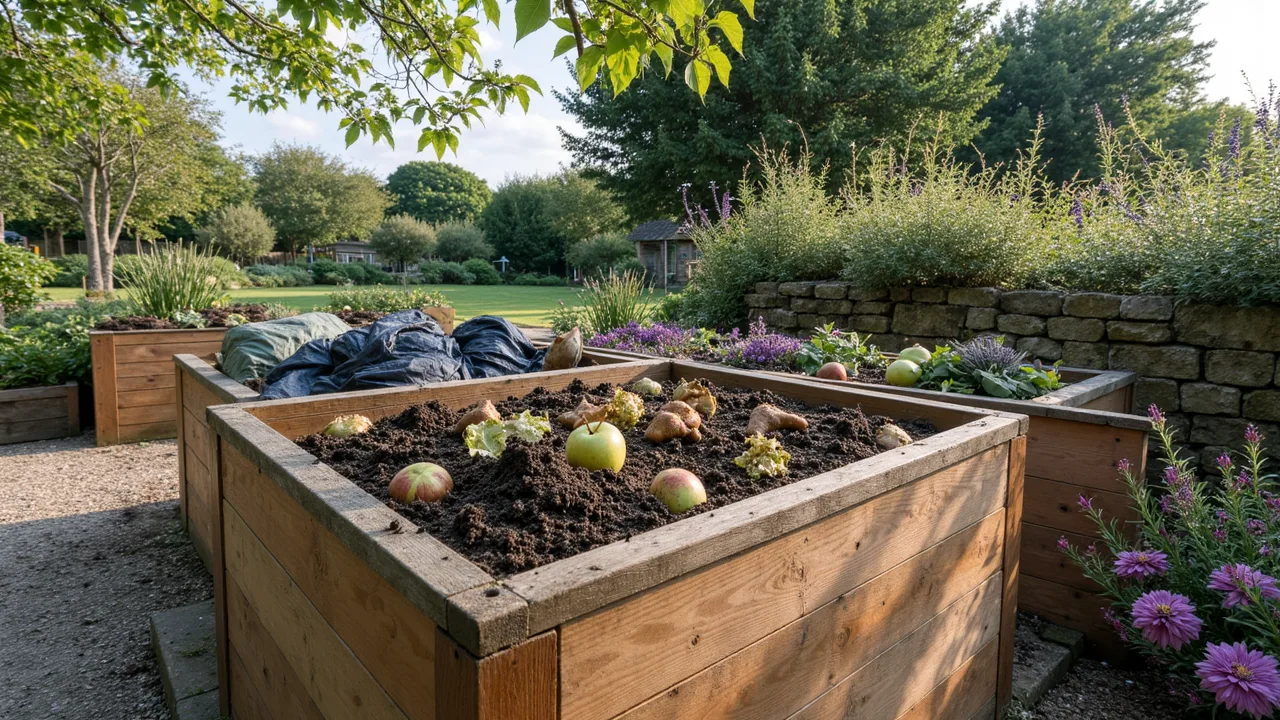
Composting transforms your garden and kitchen waste into black gold for your soil, reducing landfill burden and boosting plant health naturally. It’s simpler than you think, and with UK weather in mind, you can create rich compost year-round – no fancy equipment needed. This guide cuts through the confusion, giving you clear, actionable steps for your British garden.
Choosing Your Compost System
Pick a system that fits your space and habits. For most UK gardens, a 1m³ (3ft³) open bin or a purpose-built tumbler works perfectly. Position it in a sheltered, well-drained spot – not in full sun (it dries out) or a damp corner (it gets waterlogged). A north-facing spot under a hedge offers ideal partial shade and protection from harsh winds. Avoid placing it directly against your house wall to prevent moisture issues. If space is tight, a 45-litre plastic bin with drilled holes (for aeration) buried partially in the ground is a great small-space solution. Crucially, never use a bin designed for food waste collection – these are for council schemes, not home composting.
What to Compost: UK-Specific Guide
Focus on garden and kitchen waste you’d otherwise bin. Green materials (nitrogen-rich, wet): Fresh grass clippings (use sparingly – they mat and smell if piled too thick), vegetable peelings (potato skins, carrot tops), coffee grounds, tea bags (remove staples), and plant trimmings. Brown materials (carbon-rich, dry): Autumn leaves (shredded for faster breakdown), straw, dried hedge trimmings, cardboard (shredded, non-glossy), and shredded paper (unbleached, no ink). Crucially avoid: Meat, dairy, oily foods, pet waste, or cooked food – these attract pests and create foul odours in UK conditions, especially in damp weather. For kitchen scraps, keep a small, lidded ceramic crock in your kitchen (not a plastic bag) – empty it weekly to prevent flies.
The Green-Brown Balance: UK Ratios Made Simple
Forget complex ratios – aim for a rough 3:1 ratio of brown to green by volume. In practice, for every bucket of fresh grass clippings (green), add three buckets of shredded leaves or straw (brown). This prevents slimy, smelly piles. UK tip: In autumn, gather and shred fallen leaves (use a lawnmower on a low setting) to use as your primary brown material all winter. Grass clippings from your spring/summer lawn are perfect green material – but never add them in thick layers; mix them with browns immediately. A good rule: if it’s squishy and smells like wet earth, you’ve got too much green. If it’s dry and dusty, add more green.
Building Your Pile: Step-by-Step for UK Gardens
Start in late winter (February/March) or early spring (April) when the soil is workable. Layer materials in this order:
- Base layer: 10cm (4in) of coarse browns (e.g., twigs or straw) for drainage.
- Middle layer: Alternate 15cm (6in) of greens with 45cm (18in) of browns.
- Top layer: Finish with 10cm (4in) of browns to deter flies.
UK-specific tip: After heavy autumn rain, cover your pile with a tarp or old sheet to prevent waterlogging. In dry spells, lightly mist the pile if it feels dry like a sponge. For a tumbler, fill it about two-thirds full initially to allow room for turning.
Managing Your Compost: Turning & Timing
Turn your pile every 1-2 weeks in spring/summer to aerate it (use a garden fork), but reduce frequency in autumn/winter when decomposition slows. A well-managed pile should heat up within 3-5 days (feel the warmth through the bin walls) and reach 50-60°C (122-140°F) – this kills weed seeds and pathogens. UK weather note: In cool, wet UK summers, it might take longer to heat up; add more browns to absorb excess moisture. Avoid turning when the pile is saturated. Finished compost is dark, crumbly, and smells earthy – no longer warm. This takes 3-6 months for cold composting (most UK home systems), or as little as 18 days using the Berkeley method (requires precise layering and daily turning – best for experienced gardeners).
Troubleshooting Common UK Issues
Smelly pile (rotten egg smell): Too wet or too much green. Fix: Add more browns (shredded cardboard or dried leaves), mix thoroughly, and cover if rain is forecast. Pile not heating up: Too small, too dry, or imbalanced. Fix: Ensure pile is at least 1m³; add water if dry (like a damp sponge); add more greens if too dry. Pests (flies, rodents): Adding meat/dairy or not covering scraps. Fix: Never add forbidden items; always cover fresh greens with a layer of browns. Slow decomposition in winter: Temperatures drop below 10°C (50°F), slowing microbes. Fix: Insulate the pile with straw or leaves; wait for spring warmth. Mould on top: Normal in cold weather, but indicates excess moisture. Fix: Turn the pile to aerate and dry it out.
#UKGardening #Composting #SustainableGardening #GrowYourOwn #GardenWizz #HomeCompost #EcoFriendlyGardening
As an Amazon Associate, GardenWizz earns from qualifying purchases made through links on this page (including links within the article). This does not affect the price you pay. See our disclaimer for details.