
Carrot Fly: How to Protect Your Carrot Crop
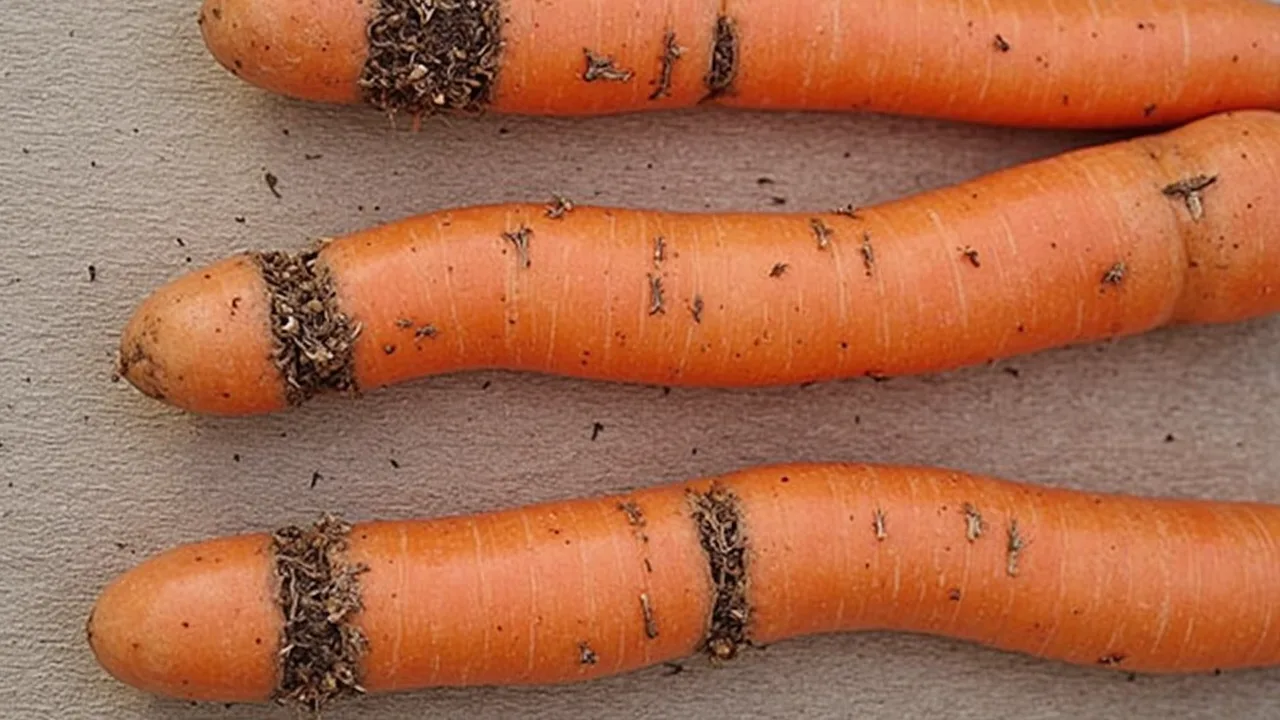
Carrot fly can turn your summer harvest into a disappointing mess, with roots riddled with tunnels and leaves wilting. But don’t despair – with the right UK-specific timing and tactics, you can protect your crop without resorting to harsh chemicals. This guide cuts through the noise with actionable, proven methods you can implement from your garden shed.
Recognising the Carrot Fly Threat
The damage starts subtly but becomes obvious as the season progresses. You’ll first notice carrot foliage wilting and turning rusty red or scarlet, especially in late spring and early summer. By midsummer, inspect mature roots: look for shallow, rusty-brown tunnels just under the skin, and if you dig deeper, you might find the creamy-yellow, legless larvae (up to 10mm long) feeding on the outer root layers. Crucially, this pest targets carrots, parsnips, parsley, and celery – so if you grow any of these, you’re at risk. The flies lay eggs near the base of young plants, typically from late May through July in the UK, when soil temperatures rise above 10°C. If you spot these symptoms in June or July, it’s almost certainly carrot fly.
Physical Barriers: Your First Line of Defence
The most reliable UK method is creating a physical barrier. Female carrot flies are low-flying, so erecting a 60cm (2ft) high barrier around your carrot patch stops them reaching the plants. This isn’t just a net – it needs to be sturdy enough to withstand spring winds. Use fine plastic mesh (sold as 'carrot fly netting' at garden centres) or horticultural fleece. Crucially, the barrier must be buried 5-10cm into the soil at the base, as eggs are laid on bare soil near the roots. For horticultural fleece, lay it directly over the soil as a floating mulch before planting, securing the edges with soil or stones. This is especially vital in regions with damp, cool springs – like the Midlands or North of England – where carrot fly activity peaks earlier. Apply this barrier in March or early April, before the first flies emerge.
Companion Planting: Confusing the Pest Naturally
Masking the scent of your carrots confuses the flies. Plant strong-smelling companions intermixed with your carrots, not just in separate rows. Onions, garlic, and chives are proven deterrents – their scent overpowers the carrot’s aroma. Plant a row of onions between carrot rows, or scatter chive seeds around the patch. Rosemary and sage also work well; tuck a few sprigs into the soil near your carrots. This method is most effective when combined with a physical barrier, but even alone, it disrupts the flies’ ability to locate your crop. In UK gardens, interplanting with onions is particularly reliable – it’s a classic British technique that’s stood the test of time. Aim to plant these companions when sowing your carrots in March or April.
Resistant Varieties: Choosing the Smart Crop
Some modern carrot varieties have been bred to resist carrot fly. The most well-known is 'Flyaway' (a Nantes-type), which has a thicker skin and reduced scent that deters the flies. Other UK gardeners report success with 'Autumn King' and 'Bolero', though 'Flyaway' is the most consistently recommended. Plant these varieties in March or April for a summer harvest, as they’re less attractive to the pest than traditional types like 'Nantes'. Crucially, resistance isn’t foolproof – use these alongside barriers or companion planting for best results. Avoid older varieties like 'Chantenay' if you’ve had carrot fly issues before; they’re highly susceptible.
Mesh Cages: Creating a Complete Enclosure
For larger plots or high-risk areas, a full mesh cage offers superior protection. Use fine plastic mesh (1mm or smaller) to create a tunnel-like structure over your carrots. Build a simple frame with bamboo canes or wooden stakes, then drape the mesh over it, ensuring the bottom edges are buried 5-10cm in the soil. This prevents larvae from crawling up from the soil to reach the roots. The cage must be tall enough to let your carrots grow without touching the mesh – typically 60cm high. Install it before you sow seeds, ideally in early March, and leave it in place until harvest. This method is especially useful in coastal areas like Cornwall or the South West, where carrot fly is a persistent problem. Remember: the soil contact at the base is non-negotiable – without it, the flies will still lay eggs around the roots.
Beneficial Nematodes: Targeted Soil Treatment
For a biological solution, apply beneficial nematodes (Steinernema spp.) to the soil around your carrot crop. These microscopic worms infect and kill carrot fly larvae. Apply them in late spring (May or June) when soil temperatures are consistently above 10°C – this is when larvae are active. Mix the nematodes with water according to the packet instructions (usually 10ml per 10m²), and water the soil thoroughly before and after application. This works best on well-drained soil, so avoid applying after heavy rain. Nematodes are available from garden centres like Dobbies or online retailers (e.g., Nematode Solutions), and they’re safe for humans, pets, and beneficial insects. For UK gardens, this is a valuable tool for organic growers, but it’s most effective when used in conjunction with physical barriers to prevent new eggs from being laid.
#UKGardening #CarrotFly #OrganicGardening #VegetableGardening #GardenTips #Carrots #PestControl
As an Amazon Associate, GardenWizz earns from qualifying purchases made through links on this page (including links within the article). This does not affect the price you pay. See our disclaimer for details.