
How to Build and Plant Your First Raised Bed
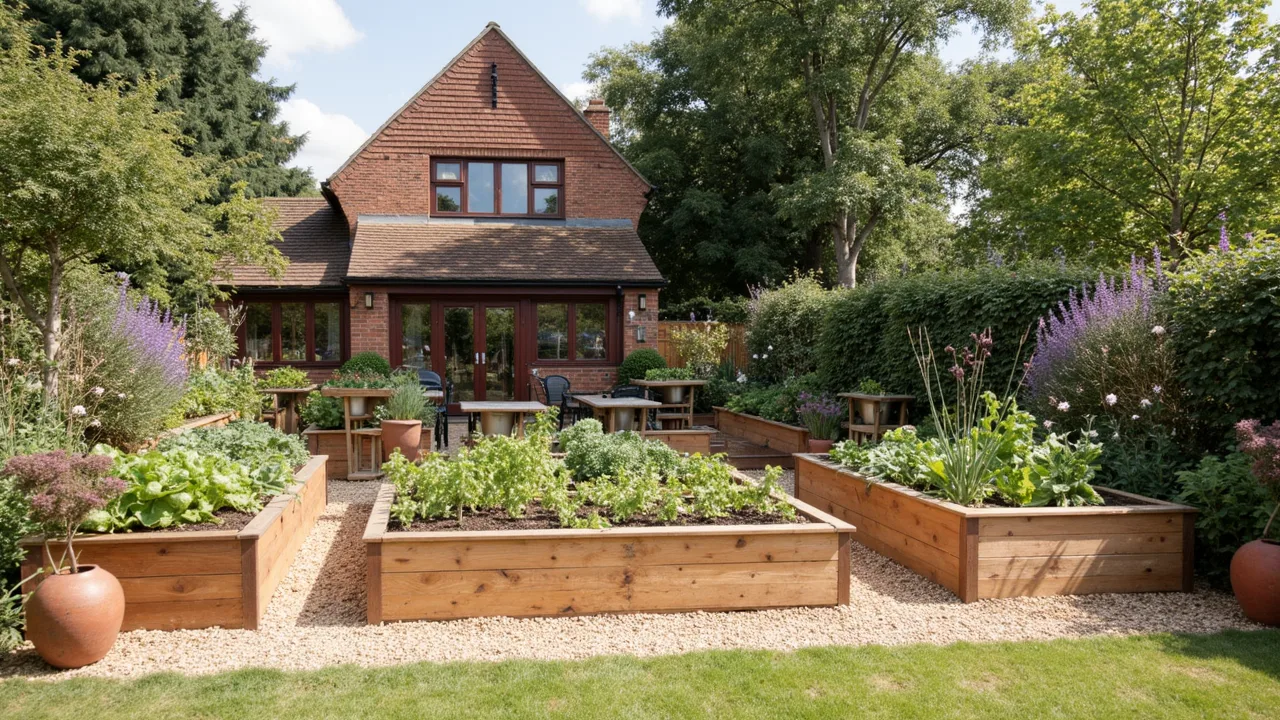
Building your first raised bed is one of the most rewarding steps you can take to transform your garden. It solves common UK problems like poor drainage, compacted soil, and weeds, while extending your growing season and making gardening more accessible. With simple materials and smart planning, you’ll create a productive, low-maintenance space perfect for beginners.
Choosing Your Bed Materials
Opt for untreated timber to avoid chemical leaching—cedar or oak are durable UK-friendly choices, available at local garden centres like Dobbies or B&Q. Avoid pressure-treated wood (CCA), as it’s banned for edible gardens in the EU since 2004. For budget-friendly options, use reclaimed railway sleepers (ensure they’re clean and untreated) or concrete blocks, though timber offers better aesthetics. Prefab beds made from UV-stabilised, food-grade polyethylene (sold by brands like Gardener’s World) are a hassle-free choice but cost more.
Key considerations for UK conditions:
- Size: Aim for 1m wide (so you can reach the centre without stepping in) and 0.3m deep. Length is flexible—start with 2m for simplicity.
- Location: Choose a south- or west-facing spot with 6+ hours of sunlight. Avoid low-lying areas prone to frost pockets (common in UK valleys).
- Cost: A 2m x 1m bed using untreated timber costs £50–£80, depending on wood type.
Building Your Bed in Late Winter
Start construction in February or March—before spring planting but when the soil is still workable. This gives you time to prepare the site before heavy rain.
- Prepare the site: Clear grass and weeds (use a spade to lift roots). If your soil is heavy clay (common in UK gardens), dig a 10cm trench around the bed’s perimeter to improve drainage.
- Assemble the frame: Lay timber pieces on the ground, aligning corners with 45° cuts or using corner brackets. Secure with galvanised screws (not nails, which rust).
- Level the base: Place the frame on the prepared ground, using a spirit level to ensure it’s even. For slopes, build the bed along the contour line to prevent water runoff.
Pro tip: In the UK, add a 5cm layer of cardboard under the frame to suppress weeds without chemicals.
Creating the Perfect Soil Mix
Raised beds thrive on rich, well-draining soil. The source specifies enriching soil with compost—here’s how to do it UK-style:
- Mix ratio: 50% topsoil (from a local supplier like B&Q or your council’s compost heap) + 50% well-rotted garden compost (from your bin or a local council scheme).
- Quantity: For a 2m x 1m x 0.3m bed, you’ll need ~0.6m³ of soil mix (approx. 6 bags of composted soil).
- Additives: Mix in 100g of slow-release organic fertiliser (e.g., bonemeal) per bed to boost nutrients for UK’s often nutrient-poor soils.
Why this works: The compost conserves moisture (vital in our unpredictable UK springs) and suppresses weeds, while the topsoil provides structure. Avoid peat-based mixes—opt for peat-free composts like those from Fisons or Vegegrow to support UK sustainability goals.
Planting Your First Crops
Plant in a geometric pattern where mature leaves just touch, as per the source. This creates a microclimate that conserves moisture and deters weeds.
Ideal UK vegetables for your first bed (plant in March/April):
- Peas: 'Kelvedon Wonder' (early variety), planted 10cm apart in rows 15cm apart.
- Lettuce: 'Rocket' (fast-growing), sown 15cm apart in blocks.
- Radishes: 'French Breakfast', planted 5cm apart in a grid.
- Carrots: 'Nantes' (short-rooted), sown 10cm apart in shallow drills.
Planting steps:
- Rake the soil surface smooth.
- Create shallow drills (for root veg) or scatter seeds (for leafy greens).
- Cover with 1cm of soil, then gently water.
- Space plants so they’ll touch when mature (e.g., 15cm between lettuce plants).
UK timing note: Sow peas in February if you have a cold frame, but March is safer for open beds. Avoid planting before the last frost (typically late April in most UK zones).
Maintaining Your Bed Through the Seasons
Raised beds need minimal upkeep but require smart seasonal care:
- Spring (March–May): Water deeply once a week (UK showers can be unreliable). Mulch with straw to retain moisture and suppress weeds.
- Summer (June–August): Check for pests (aphids on peas; use a spray of soapy water). Pinch back herbs like mint to prevent spreading.
- Autumn (September–October): Plant winter greens (e.g., 'Winter Density' kale) in September. Add a 5cm layer of compost to replenish nutrients.
- Winter (November–February): Cover with horticultural fleece to protect overwintering crops or cover the bed with straw to prevent erosion.
Critical UK tip: In wet springs, avoid walking on the bed to prevent compaction—use a board as a stepping stone. Raised beds warm up 2–3 weeks earlier than ground-level plots, extending your growing season by 2–3 weeks.
Troubleshooting Common UK Issues
- Waterlogging: If your bed stays soggy after rain, add more grit (sharp sand) to the soil mix next year.
- Weeds: A 5cm mulch layer of straw or wood chips blocks light and stops weeds (no need for chemicals).
- Pests: Encourage ladybirds by planting a few nasturtiums around the bed’s edge—they eat aphids.
- Soil depletion: After two years, refresh the top 10cm with fresh compost to maintain fertility.
Raised beds transform gardening by making it more efficient, productive, and enjoyable. You’ll harvest earlier, grow more in less space, and spend less time battling weeds—perfect for UK gardeners with limited time or space.
#RaisedBedGardening #UKGardening #VegetableGardening #GardenBeginners #SustainableGardening #RaisedBedGuide #GardenWizz
Plants in this guide
As an Amazon Associate, GardenWizz earns from qualifying purchases made through links on this page (including links within the article). This does not affect the price you pay. See our disclaimer for details.