Designing a Cottage Garden
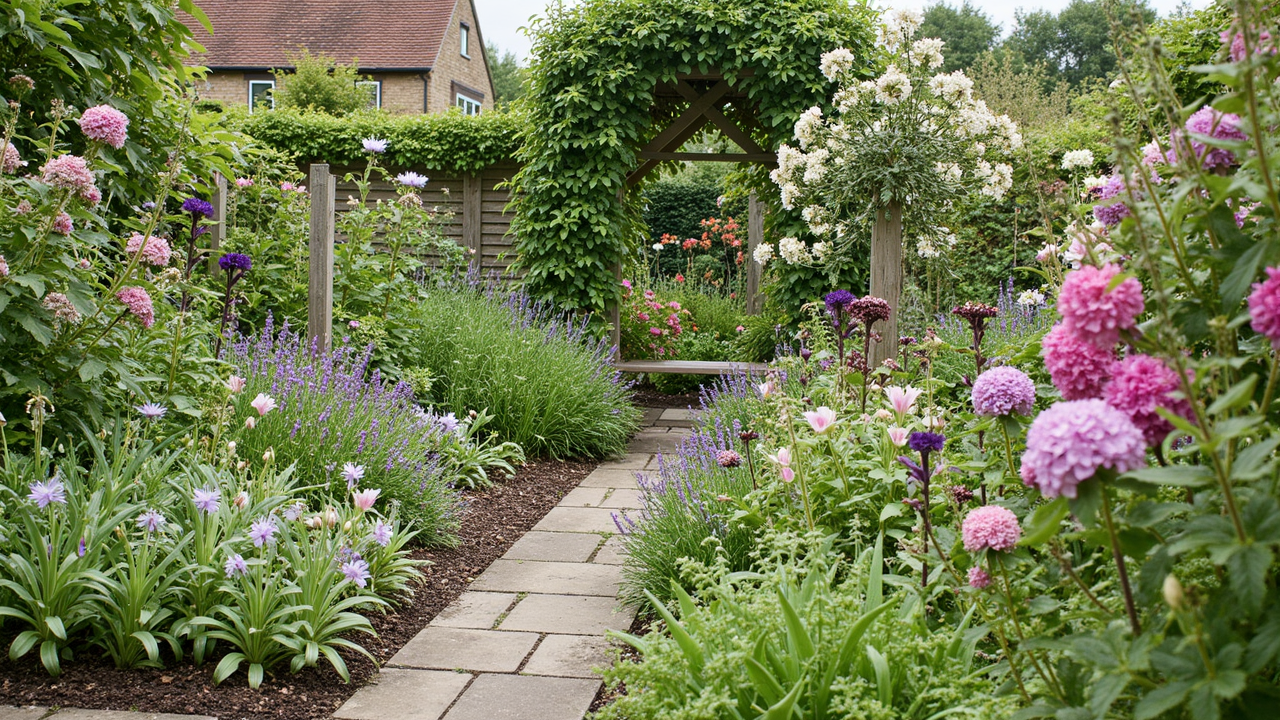
Cottage gardens offer timeless charm without the fuss, blending beauty and bounty in a way that feels effortlessly British. Forget rigid lines and perfect symmetry—these gardens thrive on a little chaos, packed with flowers, herbs, and vegetables that grow together like old friends.
Start Small, Start Simple
Begin with a manageable plot near your home, using traditional materials like stone, timber, or even woven willow for borders. Avoid formal hedges; instead, let climbing roses or honeysuckle frame your entrance.
- Choose your spot: A south- or west-facing corner gets the best sun for flowers and edibles.
- Define boundaries: Use recycled bricks, old fence panels, or a low hedge of box (for a traditional touch).
- Prioritise practicality: Place herbs and vegetables near your kitchen door for easy harvesting.
Plant for Charm and Function
Mix ornamental flowers with useful plants—this is the heart of the cottage garden. Focus on traditional favourites that self-seed or spread gently, reducing maintenance.
- Must-haves: Old-fashioned roses (like 'Rosa gallica'), hollyhocks, sweet william, and calendula (edible and attractive).
- Edible heroes: Chives, mint, and lettuce tucked between flowers (avoid sprawling veg like courgettes that disrupt the look).
- Fill gaps: Self-sowing annuals like poppies or nigella bloom freely in spring and summer.
Embrace Informal Layouts
Cottage gardens look 'lived-in', not planned. Let plants mingle without strict rows, and allow paths to feel natural rather than geometric.
- Plant densely: Group 3–5 of the same plant together (e.g., a cluster of lavender) for impact.
- Let nature guide: Place taller plants (like foxgloves) at the back, with shorter flowers (pansies) at the front.
- Avoid lawns: Replace with clover or wildflower tufts for a softer, more authentic feel.
Keep It Low-Maintenance
Modern cottage gardens honour tradition without demanding constant labour—rely on resilient plants and smart timing.
- Plant in spring: Sow hardy perennials (like hostas) in April/May and bulbs in autumn.
- Feed naturally: Use comfrey tea or well-rotted manure instead of chemical fertilisers.
- Prune lightly: Deadhead roses in summer to encourage repeat blooms, but let self-seeders (like sweet williams) scatter freely.
#CottageGarden #UKGardening #EasyGardening #TraditionalGardens #GardenDesign #HerbGarden
As an Amazon Associate, GardenWizz earns from qualifying purchases made through the links above. This does not affect the price you pay. See our disclaimer for details.