
How to Divide Perennials for More Free Plants
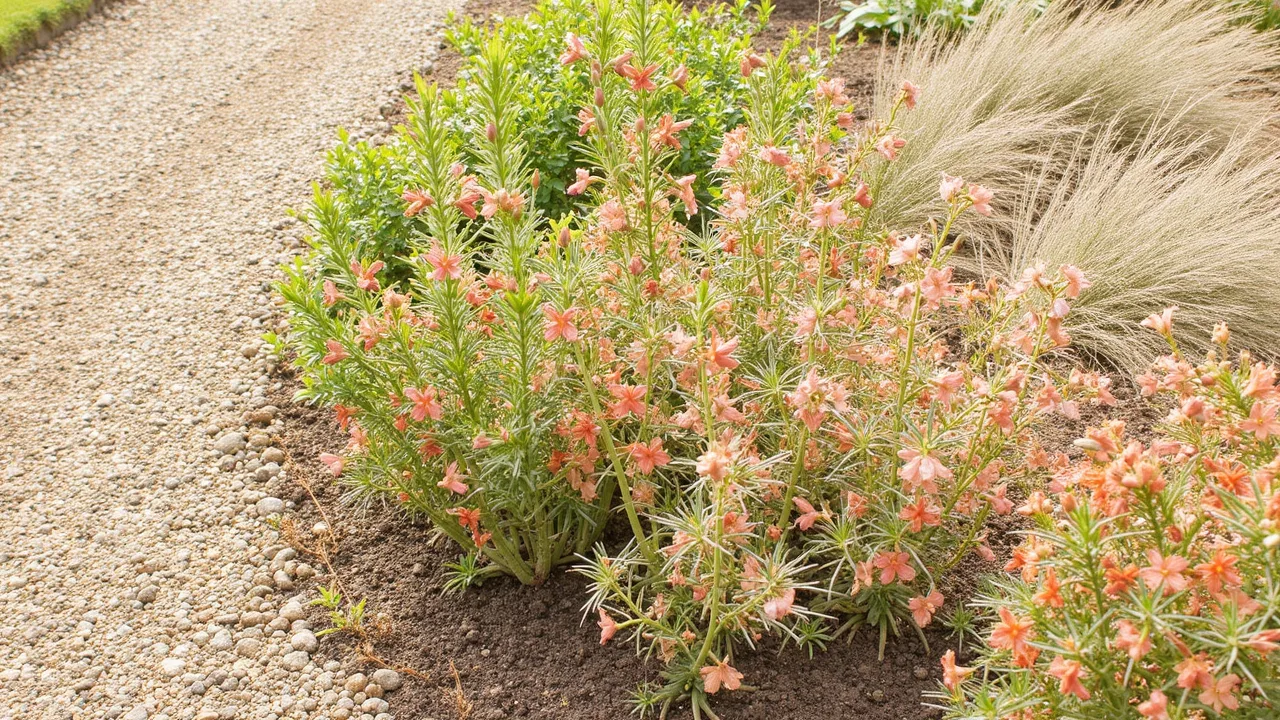
Dividing perennials is one of the most rewarding ways to expand your garden without spending a penny. It’s also essential for keeping plants vigorous, flowering well, and preventing overcrowding that leads to poor blooms and disease. Done correctly, it’s a simple, cost-effective way to refresh your borders and share plants with fellow gardeners.
Why Divide Perennials?
Perennials naturally form dense clumps over time, which can lead to reduced flowering, weaker growth, and increased susceptibility to pests like slugs or fungal diseases. Dividing them every 3–5 years (depending on the plant’s growth rate) rejuvenates the root system, encourages stronger new shoots, and provides you with free, mature plants ready to establish. This practice is especially crucial in UK gardens, where our damp, cool climate can encourage excessive root growth in some species, making overcrowding a common issue. For example, hostas, daylilies, and ornamental grasses often become so dense they barely flower by their fifth year without intervention.
Best Time to Divide in the UK
The ideal window for dividing most herbaceous perennials in the UK is late summer to early autumn—specifically late August through September. This timing allows plants to recover before winter, capitalising on warm soil temperatures for root growth while avoiding the peak heat of July or the risk of frost in October. Avoid dividing during dry spells or when the ground is waterlogged; aim for a period of settled, mild weather. For instance, divide hardy geraniums (like Geranium pratense) or sedums in early September, but wait until mid-September for more sensitive plants like astilbes. Never divide in spring, as this disrupts the plant’s energy for flowering and leaves it vulnerable to late frosts.
Choosing Which Plants to Divide
Not all perennials benefit from division. Focus on those that form dense clumps or have a tendency to die out in the centre (a sign of overcrowding). Ideal candidates include:
- Hostas (e.g., Hosta 'Blue Mouse Ears')
- Daylilies (Hemerocallis 'Stella de Oro')
- Ornamental grasses (e.g., Miscanthus sinensis 'Adagio')
- Coralbells (Heuchera)
- Hardy geraniums (Geranium pratense)
- Sedums (Sedum 'Autumn Joy')
Avoid dividing plants that resent disturbance, such as peonies (best left undisturbed for 10+ years), lavender (divided only in early spring), or plants with taproots like foxgloves. Check for signs: if the centre of the clump is bare, flowering is sparse, or new growth is weak, it’s time to divide.
How to Divide: Step-by-Step
- Prepare the plant: Water the perennial thoroughly the day before dividing to soften the soil and reduce root shock.
- Dig carefully: Use a sharp spade to lift the entire clump, working 15–20cm (6–8in) away from the plant’s base to avoid cutting roots.
- Clean and inspect: Shake off excess soil and examine the rootball. Discard any dead, mushy, or damaged roots.
- Divide the clump:
- For soft-rooted plants (hostas, geraniums), use a sharp knife or spade to cut through the crown into sections with 2–3 healthy shoots and roots.
- For fibrous-rooted plants (daylilies), gently pull apart with your hands or use a knife to separate sections.
- For grasses, slice through the root mass with a spade or loppers.
- Trim and refresh: Cut back old foliage by half to reduce water loss, and trim any long roots to encourage new growth.
Key UK tip: Divide in the shade on a cloudy day if possible—this minimises stress on plants during the process. Work quickly once the roots are exposed to prevent drying out.
Aftercare for Divided Plants
Immediately replant divisions at the same depth they grew before (usually level with the soil surface). Water deeply but slowly to settle the soil around the roots—this is critical in the UK’s variable autumn weather. Apply a 5cm (2in) layer of well-rotted garden compost or mulch around the base to retain moisture and suppress weeds. Avoid feeding immediately; wait until spring when new growth appears. For the first winter, ensure plants are well-watered during dry spells but not overwatered in heavy rain—UK autumns can be wet, so good drainage is key. Never mulch too thickly, as this can cause rot in damp conditions.
Common Mistakes to Avoid
- Dividing too late: Wait until late August/September; dividing in October risks frost damage to new roots.
- Using dull tools: A rusted spade or knife can spread disease—sterilise tools with a 10% bleach solution.
- Over-dividing: Splitting a plant into too many small sections (e.g., 6+ pieces) can weaken it. Aim for 3–4 robust divisions per clump.
- Ignoring soil prep: Amend heavy clay soil with grit or compost before replanting to improve drainage—a UK garden essential.
- Skipping the water: Divided plants need consistent moisture for the first 2–3 weeks to establish. If autumn is dry, water every 3–4 days.
#UKGardening #PerennialDivision #GardenWizz #FreePlants #UKGardenTips #PlantCare #GardenMaintenance
Plants in this guide
As an Amazon Associate, GardenWizz earns from qualifying purchases made through links on this page (including links within the article). This does not affect the price you pay. See our disclaimer for details.