
How to Grow Peas
Peas are a classic British garden staple, offering sweet, tender pods and a reliable crop for cool-season gardening. With their ability to fix nitrogen in the soil and minimal pest issues, they’re…
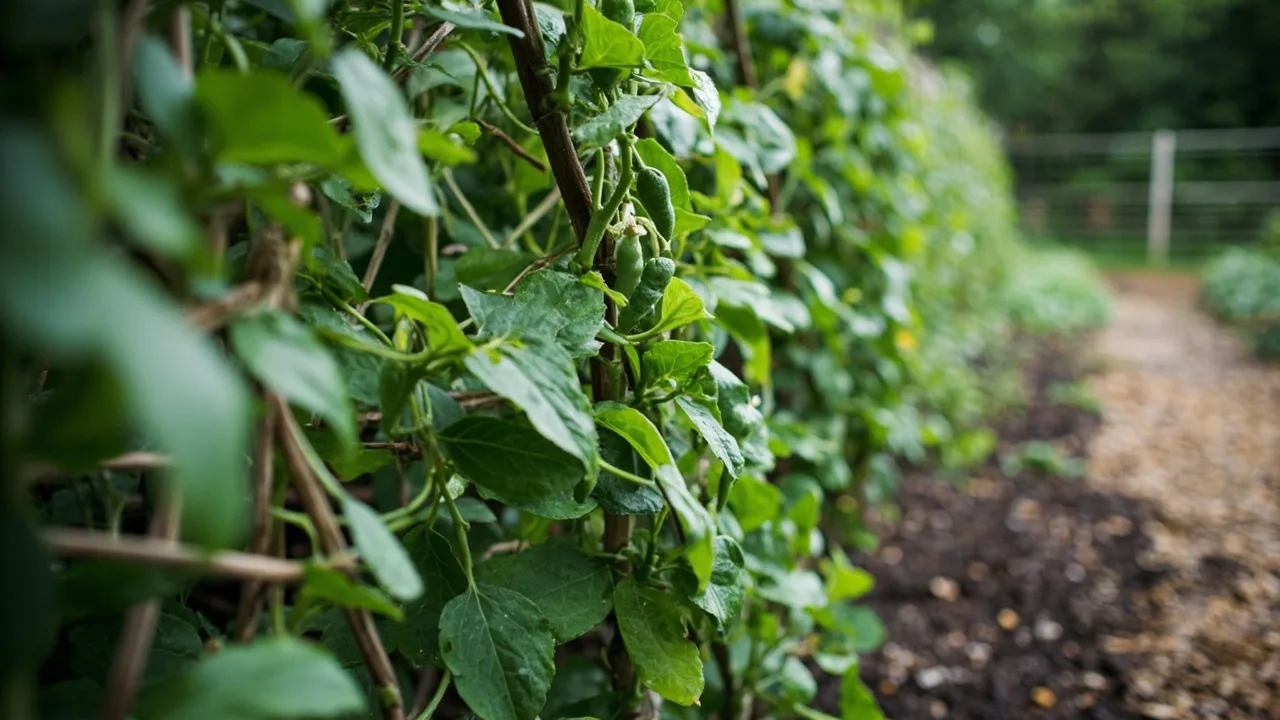
Peas are a classic British garden staple, offering sweet, tender pods and a reliable crop for cool-season gardening. With their ability to fix nitrogen in the soil and minimal pest issues, they’re perfect for beginners and experienced growers alike. This guide covers everything you need to grow perfect peas, from choosing the right variety to harvesting at peak flavour, all tailored to UK conditions. We focus on practical, actionable advice grounded in UK climate patterns and proven varieties, avoiding common myths like compost altering soil pH.
Choosing Your Pea Variety
Selecting the right pea variety is key to success in your UK garden. For the best results, focus on varieties suited to our cool, often damp climate. Kelvedon Wonder (65 days) is a RHS AGM winner and ideal for most UK gardens, offering excellent disease resistance and a reliable yield. Its compact growth suits typical British plots, and it performs well in our variable springs. For smaller spaces or containers, try the extra-dwarf Tom Thumb (55 days) or Little Marvel (63 days), which reach just 25cm tall without needing support. If you prefer climbing varieties, Sabre (65 days, PMR) or the heritage Thomas Laxton (60–65 days) provide robust growth and good flavour. Avoid planting tall varieties like Alderman (75 days) in exposed sites—opt for sheltered spots or use sturdy supports.
For eating fresh, choose garden peas (shelled peas) or mangetout (edible-pod peas). Mangetout, known as sugar snap peas in some regions, includes snow peas (flat pods) and snap peas (rounded pods). In the UK, 'mangetout' is the preferred term. Varieties like 'Sugar Ann' (snow pea) or 'Super Sugar Snap' (snap pea) are reliable for garden use. Never confuse these with field peas (dried for stockfeed)—they’re not suitable for fresh eating. Always check seed packets for days to maturity, as this affects your harvest window; for example, Little Marvel (63 days) will be ready by late May in southern England if planted in early March, while Kelvedon Wonder (65 days) suits a late April planting for a June harvest.
Planting Timing and Soil Preparation
Plant peas as soon as the soil is workable in early spring—typically late February to mid-March in southern England and London, but late March to April in Scotland and northern England. Wait until soil temperatures reach at least 10°C (50°F), which usually happens by late February in milder regions like Cornwall. Avoid planting in heavy, waterlogged soil; if your garden is prone to spring damp, wait for a dry spell or use raised beds. In Scotland, aim for late March to early April, as ground frost can linger longer.
Soil prep is crucial but simple. Peas prefer well-drained, fertile soil with a pH of 6.0–7.5—do not rely on compost to adjust pH, as it has no meaningful effect. Instead, if your soil is acidic (below 6.0), apply garden lime in autumn (100g per m²) to raise it; for alkaline soil (above 7.5), use sulphur (follow product instructions). Dig in 5cm of well-rotted garden compost or manure just before planting to boost fertility without altering pH. Avoid fresh manure, which can encourage disease. Space rows 30cm apart and plant seeds 5cm deep, with 10cm between seeds in the row. For container growing, use a 30cm pot filled with multi-purpose compost, planting 3 seeds per pot at 5cm depth.
Support Systems for Climbing Peas
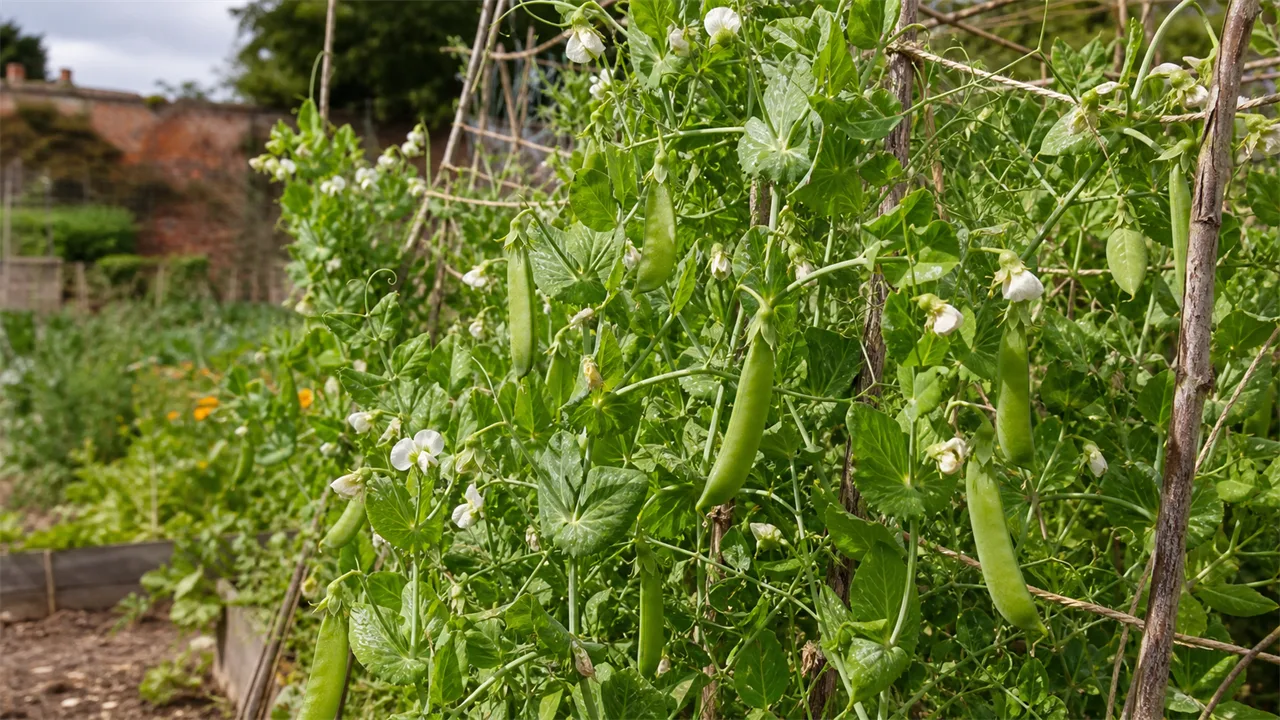
Climbing peas need sturdy support to thrive and prevent rotting on damp ground. Traditional pea sticks—thin, straight branches pruned from hazel or willow—work well when thrust 30cm into the soil at planting. For a modern alternative, use 1.5m-tall bamboo canes or a simple wigwam of canes tied at the top. If planting in rows, stretch twine between posts or use lightweight netting (15cm mesh) attached to a frame. Avoid heavy netting that traps moisture; a 15cm mesh allows air circulation while supporting vines. In the UK’s damp climate, ensuring good airflow is vital to prevent mildew.
Key support tips for UK gardens:
- Install supports at planting time—digging later damages roots, especially in spring soil that can be sticky.
- Space supports 15cm apart for climbing varieties to encourage natural weaving; this is critical in UK gardens where wind can cause plants to tangle.
- For mangetout, use horizontal strings at 30cm height to keep pods off the ground and reduce slug damage.
- Replace broken sticks with bamboo canes or metal obelisks for longevity; hazel sticks often rot in UK winters. In exposed coastal areas, use heavier-duty supports like chicken wire frames.
Watering, Feeding, and Pest Control
Peas need consistent moisture but hate waterlogged roots. Water deeply once a week during dry spells, especially when pods are forming—never let the soil dry out completely. In the UK, spring can be unpredictable; after a dry spell in April, water every 5–7 days, but reduce frequency after May rains. Mulch with straw or dry grass clippings to retain moisture and suppress weeds. Avoid overhead watering to reduce fungal diseases like powdery mildew (PMR varieties like Sabre help here).
Feed only if soil is poor: apply a balanced organic liquid feed (e.g., seaweed extract diluted 1:10) when plants are 15cm tall. Never use high-nitrogen feeds, as peas fix their own nitrogen. For pests, aphids are the main concern, especially on new growth in April. Spray with a strong jet of water or use a natural insecticidal soap (e.g., Bug Clear Ultra, following UK product labels). If mildew appears, remove affected leaves and improve air circulation by pruning excess foliage. Always check with RHS or the product label before applying any pesticide—UK regulations require strict adherence to instructions. Peas are non-toxic to pets (RHS confirms), but avoid foraging wild peas without expert ID.
Harvesting for Maximum Sweetness
Harvest garden peas when pods are plump and bright green, before seeds swell—typically 55–70 days after planting. For mangetout, pick when pods are firm and crisp, usually 3–4 weeks after flowering. The best time to harvest is in the morning when pods are cool and full of moisture. Gently pull pods from the vine—don’t twist, as this can damage plants. Regular picking encourages more pods to form. In the UK, harvest garden peas from late May to July, depending on planting date; mangetout can be picked from June to August.
Signs it’s time to harvest:
- Garden peas: Pods feel firm, seeds visible but not bulging (check by gently squeezing).
- Mangetout: Pods are 8–10cm long, smooth, and snap easily when bent.
- Avoid waiting for pods to yellow or dry—this reduces sweetness significantly in UK conditions.
Store harvested peas in a cool, dark place for up to 3 days. For longer storage, blanch and freeze within 24 hours. Never eat peas from field peas (dried varieties)—they’re not suitable for fresh consumption. For UK gardeners, harvesting regularly ensures a continuous crop; pick every 2–3 days in peak season to maximise yield.
Recommended Products
GardenWizz earns a commission from qualifying purchases made through affiliate links on this page (including links within the article) — as an Amazon Associate, and from Thompson & Morgan via the Awin network. This does not affect the price you pay. See our disclaimer for details.
Related Articles
More →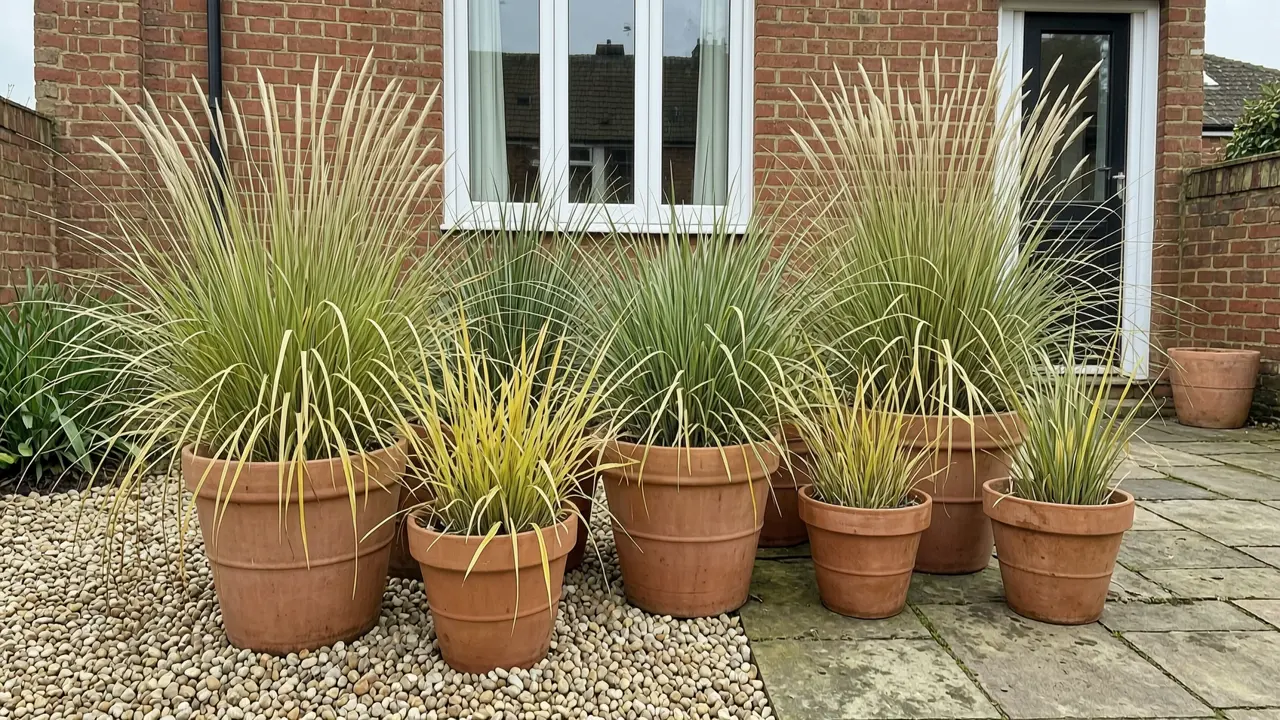 Growing Guide
How to grow ornamental grasses in pots
5 August 2026Grow ornamental grasses successfully in containers with advice on pot size, compost, watering, feeding, winter care and long-term maintenance.
 Growing Guide
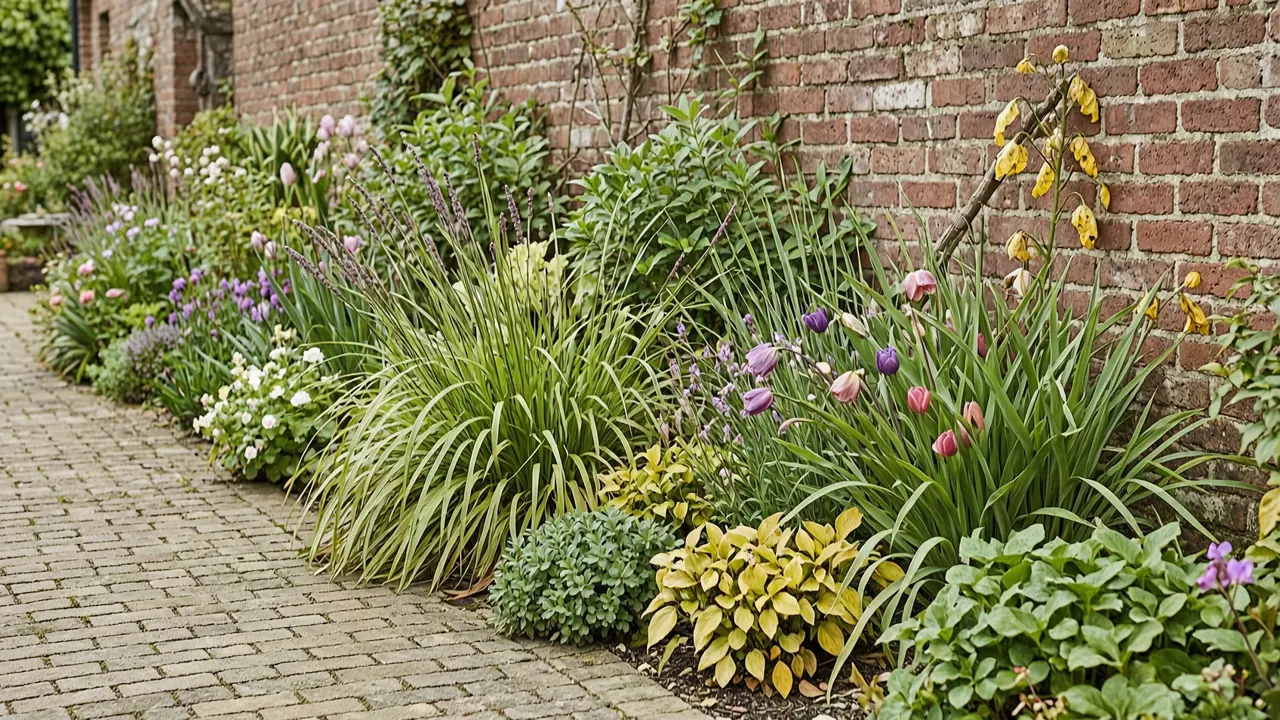
How to plan a perennial border
5 August 2026Plan a balanced perennial border with practical guidance on position, colour, height, spacing, flowering succession and year-round structure.
 Growing Guide
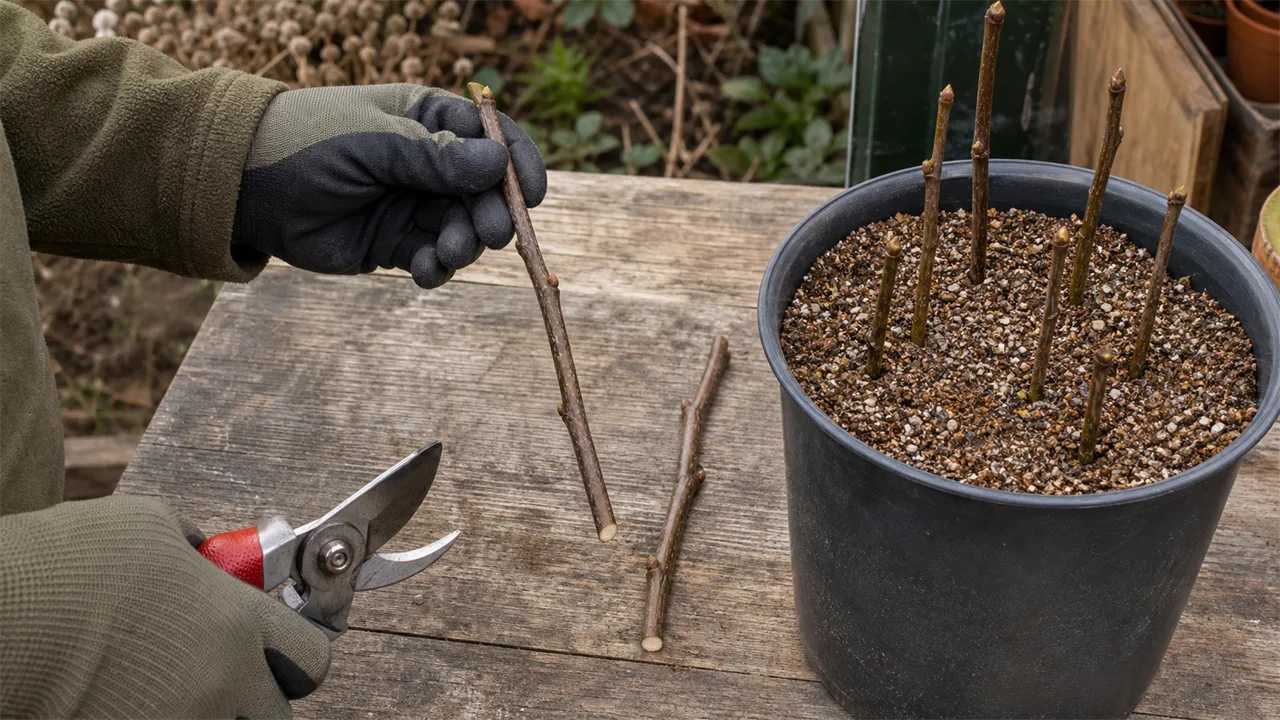
How to take hardwood cuttings
29 July 2026Take hardwood cuttings from suitable dormant shrubs and climbers with this step-by-step guide to timing, preparation, rooting and aftercare.