
Reviving a Patchy Lawn
A thin, patchy lawn is one of the most common problems in British gardens, and most cases are fixable without ripping it up and re-turfing. The trick is to work out why the lawn went patchy in the…
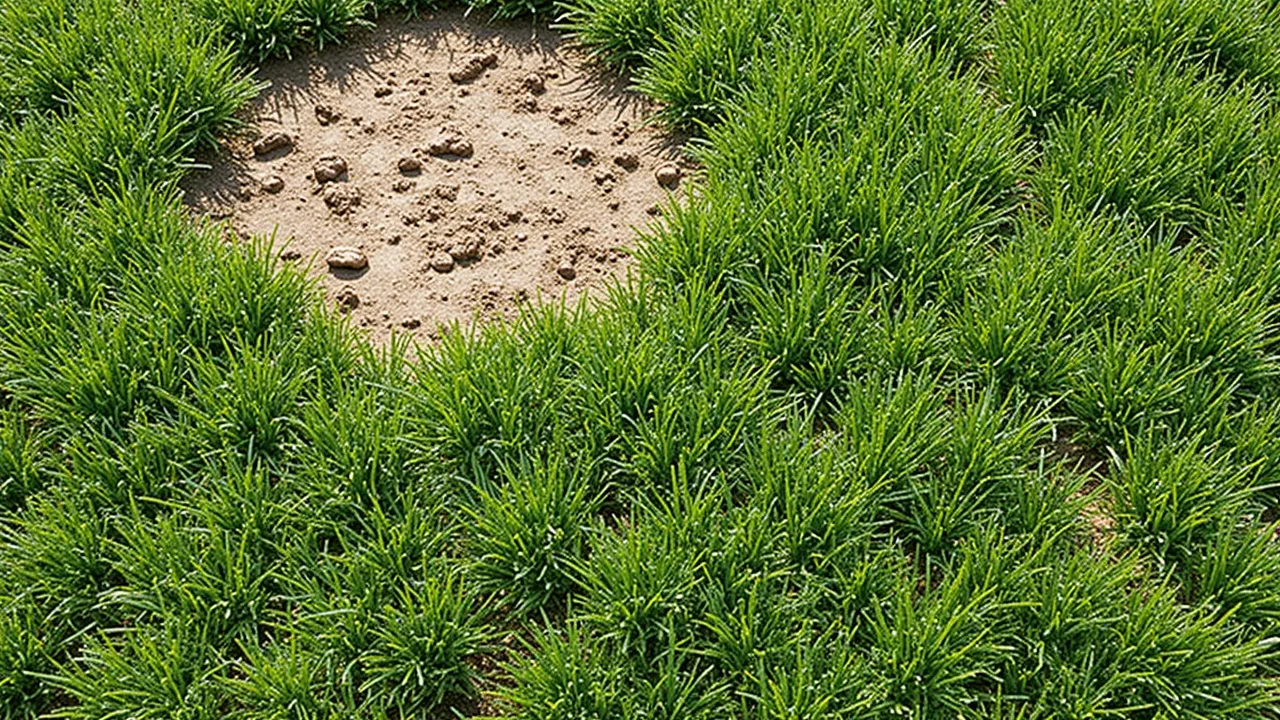
A thin, patchy lawn is one of the most common problems in British gardens, and most cases are fixable without ripping it up and re-turfing. The trick is to work out why the lawn went patchy in the first place, then treat the cause as well as the symptoms. Done properly, a tired lawn can be visibly thicker within a single growing season.
Why patchy lawns happen, and when to tackle them
Patchiness is usually a symptom of one (or several) of five things: compacted soil, moss invasion, thatch build-up, poor feeding, or wear and tear in high-traffic areas such as the path from gate to shed. Dog urine, shade from fences and hedges, and the UK's reliably damp winters all add to the problem.
The best time to repair a UK lawn is mid-spring (April to early May) or early autumn (September to mid-October). Soil is warm enough for grass seed to germinate (above 10 °C), but the weather is cool and usually damp, so seedlings don't dry out. Avoid mid-summer repairs unless you can water daily; cold winter sowings mostly fail because seed sits dormant and rots.
If moss is the dominant problem, address that first — overseeding on top of moss is wasted seed, because the moss will smother it within weeks.
What you'll need
- A spring-tine rake (for scarifying) and a sturdy leaf rake
- A half-moon edger or sharp spade
- A garden fork or hollow-tine aerator (a fork is fine for lawns under 50 m²)
- A spreader — a handheld broadcast spreader for small lawns, a drop spreader for larger ones
- Grass seed: choose a shade-tolerant mix for north-facing or hedge-bordered gardens, a hard-wearing mix for family lawns, or a fine-leaved mix for ornamental lawns. A 1 kg box covers roughly 20 m² when overseeding.
- Top-dressing: a 70/30 blend of sieved topsoil and sharp sand, or a bagged lawn top-dressing mix (typically 25 kg covers 5–6 m²)
- A slow-release lawn fertiliser (spring formula in April, autumn formula in September — the autumn one is higher in potassium)
- A watering can with a rose, or a sprinkler
Step-by-step: bringing a patchy lawn back
1. Mow short, then scarify
Two days before you start, mow the lawn to about 2 cm. On a dry day, scarify the whole lawn in two directions with the spring-tine rake — vigorous, short strokes that pull out the matted thatch and moss. You'll be horrified at how much comes up; that's normal. Bag the debris; don't compost it if it's heavy with moss.
2. Aerate compacted areas
Push a fork into the ground every 10–15 cm across compacted patches, wiggling it back and forth to open holes 7–10 cm deep. For a bowling-green finish, hire a hollow-tine aerator and leave the cores on the surface to break down. Aeration is the single most valuable step for clay-soil gardens, where compaction is the usual reason grass gives up.
3. Address weeds and moss properly
For moss, apply a moss killer (usually ferrous sulphate based) 7–10 days before scarifying, then rake out the dead black moss as above. For broadleaf weeds such as dandelions and clover, either dig them out with a hand fork or spot-treat with a selective lawn weedkiller on a calm, dry day when rain isn't expected for 24 hours. Don't use general-purpose glyphosate — it kills grass as well.
4. Top-dress the worst patches
Mix your top-dressing to a stiff, damp consistency (it should hold a shape when squeezed but crumble when poked). Spread it into the hollows and worn patches to a depth of 10–15 mm, working it into the aeration holes with the back of a rake. This is what levels a bumpy lawn and improves the seedbed at the same time.
5. Overseed the whole lawn
Apply grass seed at the overseeding rate on the box (typically 25 g/m²) with the spreader, going in parallel passes at half the rate in each direction for even coverage. Then scatter a little extra seed — say 50% more — onto the worst bare patches and rake them in so the seed is in contact with the soil, not sitting on the surface. A light scattering of top-dressing over the seed helps keep birds off and locks in moisture.
6. Feed and water
Apply a slow-release spring or autumn fertiliser, then water gently but thoroughly — enough to wet the top 5 cm of soil. For the next two to three weeks, water lightly every day if there's no rain. Once the new grass is 5–7 cm tall, mow on the highest setting, taking no more than a third of the blade off at a time.
Common mistakes to avoid
- Sowing seed onto moss or thatch. Seed needs soil contact. Scarify first, always.
- Mowing too soon or too short. Cutting new grass below 4 cm stresses it and lets weeds back in. Raise the mower for the rest of the season.
- Walking on the seedbed. Mark the area with canes and string. Footprints compress the very soil you've just loosened.
- Using a spring fertiliser in September. High-nitrogen feeds in autumn produce soft growth that gets hit by winter disease. Switch to an autumn formula.
- Ignoring shade. Grass under trees or beside a 1.8 m fence will always thin out. Either prune to let in more light, accept a shade-tolerant mix, or replace the area with ground cover such as hardy geraniums or pachysandra.
Troubleshooting
Yellow patches that don't grow. Usually a dog-urine scorch or a buried builder's rubble patch. Lift a small square of turf to check; if you hit rubble or builder's sand, dig it out to 20 cm and refill with topsoil before reseeding.
Grass germinates then dies back. The seed dried out, or birds ate it. Lightly rake the surface to break the crust, re-sow, and cover with horticultural fleece pinned at the edges for two weeks.
Patches stay soggy. Compaction or a broken drain. Spike the area deeply (down to 15 cm) and brush coarse sand into the holes; if the problem persists, call a drain surveyor.
More moss this year than last. Check the pH. Grass likes 6.0–7.0; below that, moss thrives. A single application of ground limestone in winter gently raises pH and slows moss regrowth.
Tips that make the result last
- Feed twice a year, every year. A hungry lawn goes patchy faster than a well-fed one. Spring and autumn, no exceptions.
- Mow little and often. Never remove more than a third of the blade. In a typical UK summer that's a weekly cut at 3–4 cm.
- Leave the clippings in summer. They return nitrogen to the soil. In autumn, bag them — old clippings add to thatch.
- Sharpen the mower blade once a season. Torn leaf tips turn yellow and invite disease.
A full revival takes around three months from autumn work, with a lawn that's noticeably thicker by the following spring. After that, an annual autumn routine of scarify, aerate, feed, and overseed the worst spots keeps the lawn dense enough that weeds and moss never get a foothold.
Plants in this guide

Recommended Products
GardenWizz earns a commission from qualifying purchases made through affiliate links on this page (including links within the article) — as an Amazon Associate, and from Thompson & Morgan via the Awin network. This does not affect the price you pay. See our disclaimer for details.
Related Articles
More →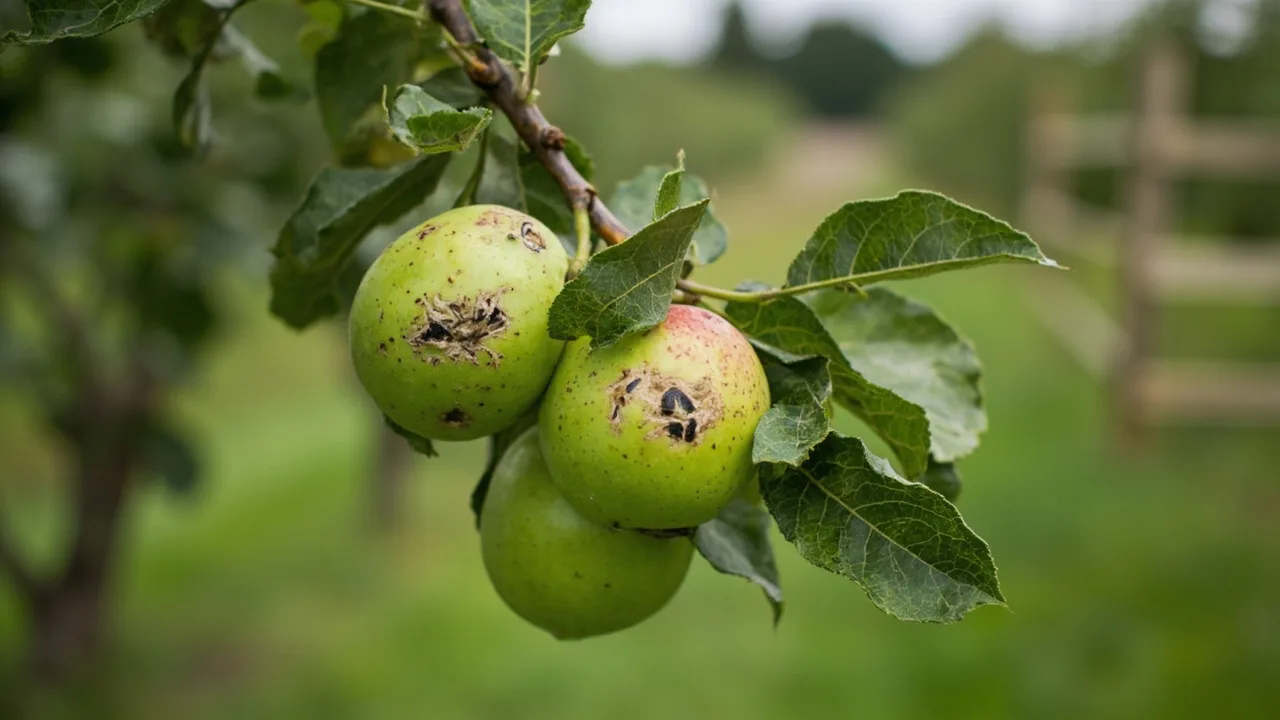 Problem Solver
Apple Scab: How to Identify and Treat It
22 July 2026Apple trees in your garden can be a source of joy, but apple scab can turn your harvest into a disappointing mess of distorted, blackened fruit. This common fungal disease, caused by Venturia…
 Problem Solver
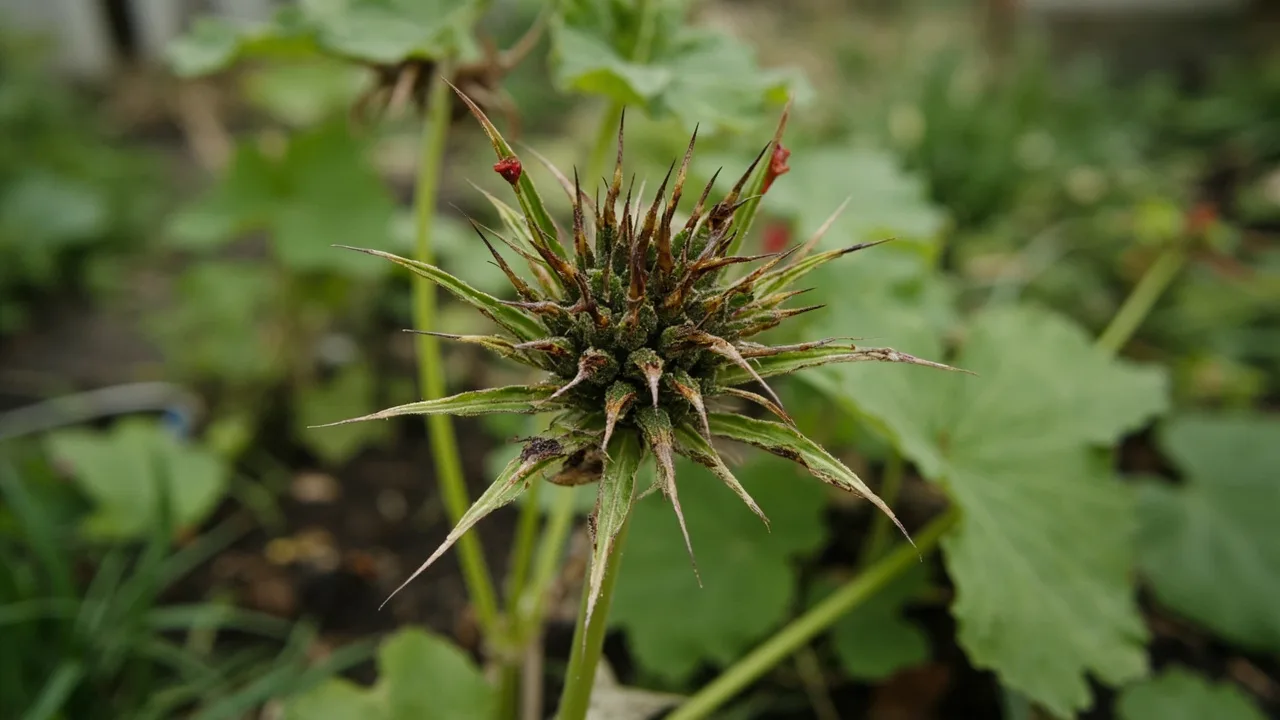
How to Get Rid of Burdock
21 June 2026Lesser burdock (Arctium minus) is a large biennial weed of UK hedgerows, waste ground and the neglected corners of gardens. In its first year it builds a broad rosette and a deep taproot; in its…
 Problem Solver
How to Get Rid of White Bryony
21 June 2026White bryony (Bryonia dioica) is a fast-growing perennial climber found scrambling through UK hedges, fences and shrubs, mainly in England. It is Britain's only native member of the cucumber family,…