Growing Vegetables from Seed
Growing your own vegetables from seed is one of the most rewarding ways to fill your plate with fresh, flavourful produce, and it’s perfectly achievable in a UK garden with the right timing and simple techniques. You’ll save money, enjoy superior taste, and connect deeply with your food’s origins, all while working with nature’s rhythms.
Choosing Your Seeds
Select varieties suited to UK conditions and your space. Prioritise hardy, reliable crops for beginners, especially those that thrive in cooler weather.
- Early spring: Peas, lettuce, spinach, radishes (sow directly in soil as soon as it’s workable, usually late February/March)
- Late spring/early summer: Carrots, beetroot, onions, broad beans (sow directly from April onwards)
- Avoid tender crops like tomatoes or peppers unless starting indoors in late winter (see below)
Starting Indoors (For Tender Crops)
Some vegetables need a head start indoors before transplanting outside, protecting them from UK spring frosts.
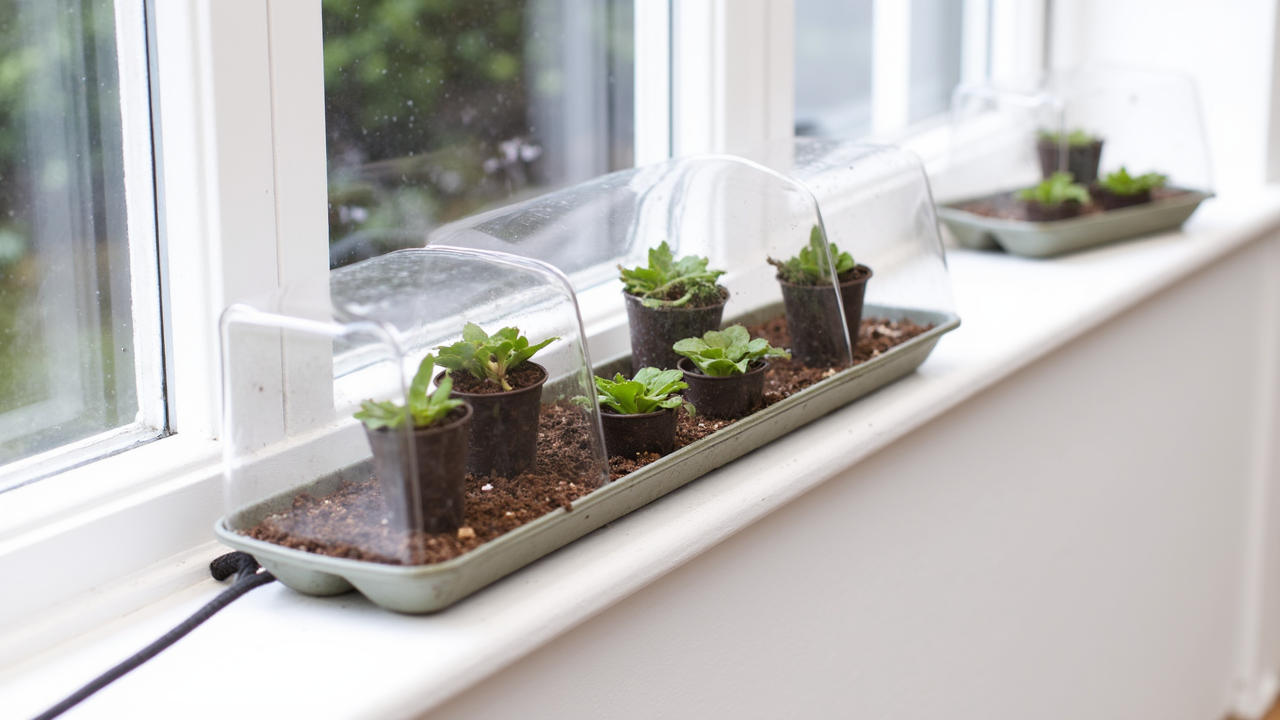
- Timing: Start tender crops (e.g., courgettes, aubergines) indoors in late February/early March using a seed tray or small pots.
- Soil: Use a free-draining seed compost (not garden soil) in small containers.
- Placement: Position in a warm, bright spot (like a windowsill or greenhouse) but avoid direct midday sun.
- Watering: Keep compost consistently moist (not soggy) using a fine spray.
- Tip: Label every pot clearly – it’s easy to forget what you sowed!
Direct Sowing Outdoors
This is the simplest method for hardy vegetables that tolerate cool soil and light frosts.
- Soil prep: Dig over the bed in autumn or early spring, removing weeds and adding well-rotted garden compost to improve structure (especially vital for UK clay soils).
- Sowing:
- Sow seeds at the depth specified on the packet (usually 1-2x their width).
- Space seeds according to packet instructions to avoid overcrowding.
- Cover lightly with soil and gently firm down.
- Protection: Use row covers or cold frames for extra warmth and frost protection in early spring.
Watering & Care
Consistent moisture is key for seed germination and seedling health, but overwatering is a common UK beginner mistake.
- Watering: Water gently but thoroughly at soil level in the morning, using a watering can with a fine rose. Avoid wetting leaves to prevent disease.
- Thinning: Once seedlings are 2-3cm tall, thin them out to the recommended spacing (e.g., 5cm apart for lettuce, 10cm for carrots). This gives each plant room to grow.
- Weeding: Remove weeds early and regularly – they compete for water and nutrients, especially in young seedling beds.
Hardening Off Seedlings
Before planting indoor-started seedlings outside permanently, they need gradual exposure to outdoor conditions to avoid shock.
- Timing: Start 7-10 days before your last expected frost (typically late April/May in most UK regions).
- Process:
- Place seedlings outside in a sheltered spot for 1-2 hours on day one.
- Gradually increase time outdoors each day, bringing them in at night.
- After 7 days, they can stay outside 24/7 (provided no severe frost is forecast).
- Key tip: Never rush this step – a sudden cold snap or strong wind can kill tender seedlings.
#UKGardening #GrowYourOwn #VegetableGardening #SeedStarting #BritishGardening #GardenWizz
As an Amazon Associate, GardenWizz earns from qualifying purchases made through the links above. This does not affect the price you pay. See our disclaimer for details.