
Houseplant Care for Beginners (UK)
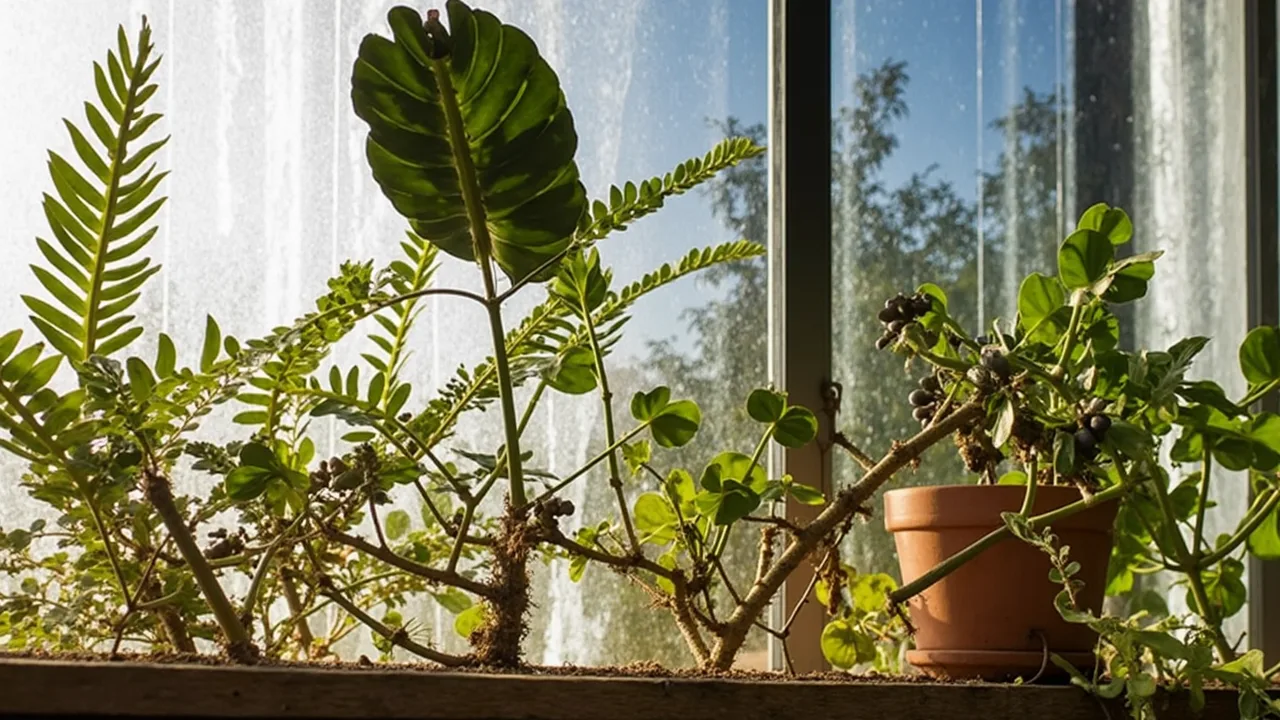
Welcome to houseplant ownership – it’s simpler than you think, and your first green friend is a wonderful way to bring life into your UK home. Forget intimidating lists; this guide focuses on truly beginner-friendly plants and practical, UK-relevant care, so you can enjoy lush leaves without stress. We’ll tackle the most common pitfalls head-on, with advice grounded in RHS best practice.
Choosing Your First Plant: UK-Friendly & Tough
Start with resilient, low-maintenance varieties that thrive in typical UK indoor conditions, not just sunny conservatories. Avoid plants demanding constant high humidity or intense light you can’t provide. The absolute top choices for beginners are snake plants (Sansevieria trifasciata), ZZ plants (Zamioculcas zamiifolia), and peace lilies (Spathiphyllum), all widely available at UK garden centres (like Dobbies or The Garden Centre) and tolerant of variable light and occasional forgetfulness. Snake plants are non-toxic to cats and dogs (RHS confirmed), making them ideal for pet owners. ZZ plants are similarly safe. Peace lilies are beautiful but toxic to cats and dogs (RHS), so keep them out of reach of curious pets – a crucial note for UK households. Avoid Ficus benjamina (weeping fig) or Dracaena as first choices; they’re sensitive to changes and often drop leaves.
Understanding UK Light: Windows, Seasons & Your Plant’s Needs
UK light varies hugely by window direction and season. South-facing windows offer the most light year-round (good for snake plants, ZZs), but even here, winter light is weak and short – plants may look slightly leggy. East-facing windows get gentle morning sun (ideal for peace lilies), while west-facing provide stronger afternoon light (suitable for most beginners). North-facing windows are typically too dim for most houseplants; only snake plants or ZZs might tolerate them, but they’ll grow very slowly. Crucially, UK winter means significantly less daylight – by December, you might have only 7-8 hours of daylight, and the sun is lower. Move plants closer to windows in winter, but avoid placing them directly on cold glass. If your only window is north-facing, choose a snake plant and place it as close to the glass as possible, supplementing with a bright LED grow light for 2-3 hours in the morning if possible.
Watering: The #1 Killer (And How to Avoid It)
Overwatering is the single biggest cause of houseplant death in UK homes, especially during the damp, cool winter months when plants need far less. Always check the top inch of soil before watering – stick your finger in. If it feels dry, water thoroughly until it drains out the bottom. If it’s still moist, wait. In summer (June-August), this might mean watering every 7-10 days for a standard pot. In winter (December-February), it could be every 2-3 weeks or longer – err on the side of dry. Use room-temperature water (tap water is fine in the UK, no need for 'stagnant' water). Ensure pots have drainage holes – never let plants sit in water. A common beginner mistake is watering on a fixed schedule (e.g., 'every Monday') regardless of soil moisture; this is the opposite of what UK conditions demand. Water less frequently in winter, more in spring/summer, but always base it on soil feel.
Boosting Humidity: Combatting UK Central Heating
UK central heating dries indoor air drastically, especially in winter, causing brown leaf tips on humidity-loving plants like peace lilies. Grouping plants together is the simplest, most effective UK solution – they create a microclimate of higher humidity around each other. Place a pebble tray under pots: fill a shallow tray with pebbles, add water until it reaches just below the pebble tops, then place the pot on the pebbles (not in water). This evaporates moisture without wetting roots. Avoid misting – it’s ineffective for long-term humidity and can encourage fungal diseases like powdery mildew. For peace lilies, which need higher humidity, a pebble tray is essential, especially in heated UK homes. If you have a humidifier, use it sparingly in the main living area, but grouping and pebble trays are cheaper and more practical for most UK beginners.
Feeding & Potting: When and How to Do It Right
Houseplants need feeding only during their active growth period: spring and summer (March to September). Use a balanced, water-soluble liquid feed diluted to half the strength on the label (RHS recommends this). Never feed in winter – plants are dormant and will burn. For potting, repot only when roots are visibly growing out of the drainage holes or the plant is toppling (usually every 1-2 years for fast growers, longer for slow ones like ZZ). Use a standard multi-purpose compost (not specialist potting mix) – UK brands like John Innes or peat-free composts are suitable. Do not add compost to lower pH – it’s irrelevant for houseplants and doesn’t meaningfully change soil pH. When repotting, choose a pot only 2-3cm larger in diameter than the current one; a pot that’s too big holds excess water, leading to root rot.
Temperature & Draughts: UK Home Comforts
Most common houseplants prefer temperatures between 15-24°C (59-75°F), typical of UK homes. Avoid placing plants near radiators, open windows (drafts), or air conditioning vents – sudden temperature swings cause leaf drop. UK central heating often creates hot, dry air near radiators; keep plants at least 30cm away. In winter, avoid placing plants on cold window sills – the temperature difference can shock them. A spot a few feet back from a south-facing window is usually ideal, away from direct heat sources and draughts. Remember, UK homes are generally cooler than many other countries, so your plant’s comfort is likely already aligned with your living room temperature.
Common Beginner Mistakes: Avoid These
- Watering on a schedule: Check soil moisture, not the calendar. UK light and temperature change seasonally, so watering needs change too.
- Overlooking light direction: A plant in a north-facing window will struggle, even with perfect watering. Match the plant to your window.
- Feeding in winter: This is a common error leading to fertilizer burn. Stick to spring/summer only.
- Using the wrong pot: A pot without drainage is a death sentence. Always ensure drainage holes.
- Ignoring pet safety: If you have cats or dogs, never choose toxic plants like peace lilies without keeping them securely out of reach (RHS lists them as toxic).
Next, explore our [Houseplant Problem Solver](/problem-solver) for specific issues like yellow leaves or pests. Dive deeper into the [Houseplant Hub](/houseplants) for variety, care guides, and seasonal tips. And if you spot tiny flies, read our guide on [Fungus Gnats](/fungus-gnats) – often caused by overwatering, the very mistake we’ve helped you avoid.
As an Amazon Associate, GardenWizz earns from qualifying purchases made through links on this page (including links within the article). This does not affect the price you pay. See our disclaimer for details.