
How to Grow Chillies
Growing chillies in the UK is a rewarding challenge, especially with the right timing and care. While they crave warmth, many varieties thrive in our temperate climate when started indoors and…
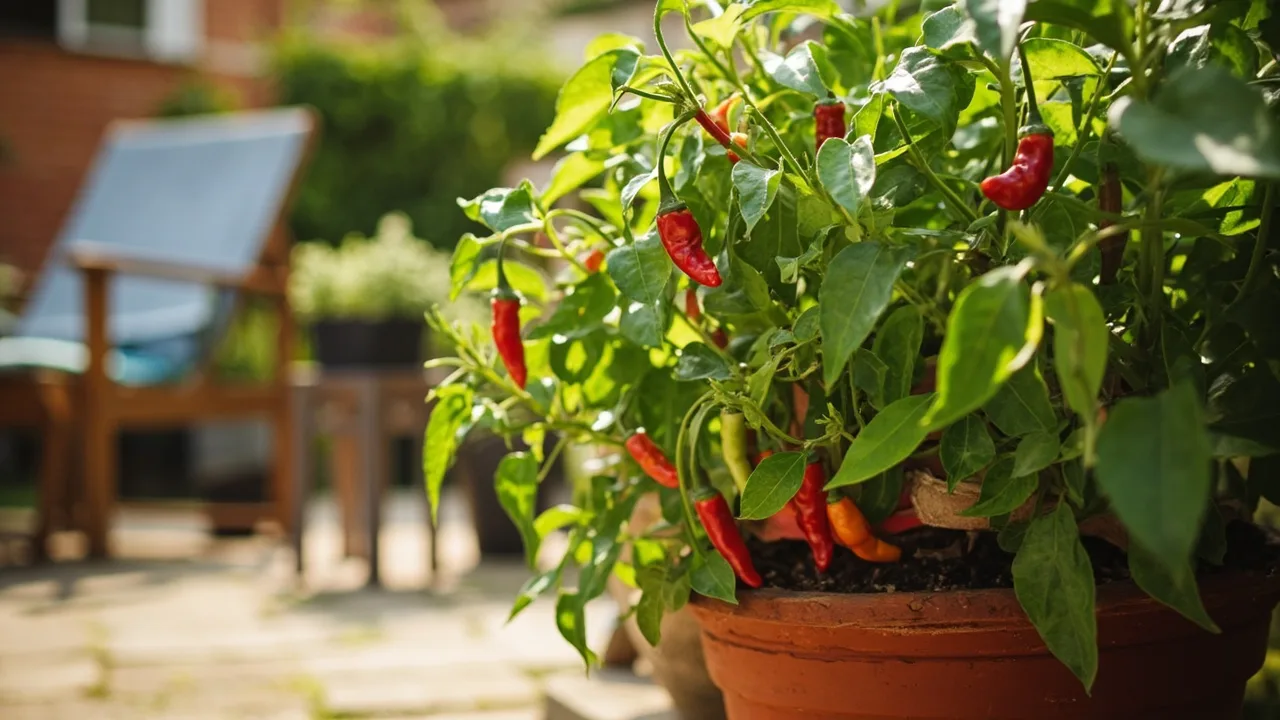
Growing chillies in the UK is a rewarding challenge, especially with the right timing and care. While they crave warmth, many varieties thrive in our temperate climate when started indoors and planted out after the last frost, delivering vibrant, fiery fruits even in cooler regions. This guide cuts through the myths and gives you precise, UK-focused steps to succeed, drawing on the plant’s native preferences for warmth and sunlight while adapting to our seasonal realities.
Starting Your Seeds Indoors
Begin your chilli journey indoors in late February or early March, giving seedlings a head start before the UK’s unpredictable spring. Use a seed compost in small pots or trays, sowing seeds 5mm deep and keeping the compost moist but not waterlogged. Place them in a warm spot (ideally 21–25°C) like a sunny windowsill or on a heated propagator—this is crucial as chillies germinate poorly below 15°C. Be patient: germination can take 10–21 days, longer than many other vegetables. Once seedlings have two true leaves, transplant them into individual 7.5cm pots filled with a free-draining compost, ensuring the soil remains consistently moist but not soggy. Avoid using garden soil or uncomposted manure, as these can introduce pests or diseases. For UK success, select varieties proven to handle cooler conditions: 'Cayenne' (mild heat, reliable), 'Jalapeño' (classic, 70 days), or 'Bird’s Eye' (small, very hot, 65 days). Avoid overly hot varieties like 'Carolina Reaper' for your first attempt—they demand near-tropical warmth rarely achieved outdoors in the UK.
- Key UK timing & regional adjustments:
- South West & London: Start seeds 15 February–1 March (soil temps often reach 12°C by late March).
- Scotland & North England: Start seeds 1–15 March (wait for soil temps to rise; avoid planting before 15 April).
- Critical tip: Use a soil thermometer to confirm warmth before moving seedlings outdoors—never rely on calendar dates alone. A cold snap in April can kill young plants.
Soil & Planting: Getting It Right
Chillies need well-drained, fertile soil rich in organic matter, but never assume compost or organic matter alters soil pH. If your soil is acidic (pH below 6.5), add garden lime (calcium carbonate) at 50g per square metre in autumn to raise pH for better nutrient uptake. If it’s alkaline (pH above 7.5), use elemental sulphur (10g per square metre) in spring. Avoid over-fertilising—chillies prefer moderate nutrients. For container growing (highly recommended for UK gardens), use a loam-based compost like John Innes No. 2, ensuring pots have drainage holes. Plant seedlings outdoors only after the last frost risk has passed, typically late May to early June in southern England and mid-to-late June in Scotland and northern England. Choose a sheltered, sunny spot (at least 6 hours of direct sun daily) to maximise warmth. In the UK, clay soils are common; amend them with grit (20% by volume) to improve drainage, as waterlogged roots cause damping-off. For raised beds, mix 30% garden compost into the top 15cm of soil—not for pH adjustment, but for structure and moisture retention.
- Soil prep checklist (UK-specific):
- Test soil pH with a £10 kit (e.g., from Dobbies) before adding lime/sulphur.
- For clay gardens: Add 1 part sharp sand to 3 parts soil in planting holes.
- For containers: Use 30cm+ deep pots (e.g., 10-litre grow bags) filled with John Innes No. 2.
Growing On: Temperature & Watering
Chillies are sensitive to cold and thrive in warmth. Avoid planting out before soil temperatures reach 12°C (use a soil thermometer)—this is usually late May in the South West but often mid-June in Scotland. Once planted, water deeply but infrequently to encourage deep root growth; aim for 2–3 times weekly in dry spells (e.g., June-July), reducing in late summer. Never let pots sit in water. Mulch around plants with straw or bark chips to retain moisture and suppress weeds. In cooler UK summers, use cloches or fleece tunnels for extra warmth, especially for heat-loving varieties like 'Scotch Bonnet'—these may need protection until late July. Remember, temperatures above 30°C can cause flowers to drop, so provide afternoon shade during heatwaves (e.g., use a shade cloth in July 2023’s heatwave). For UK gardeners, monitor weather forecasts closely: a sudden cold snap in June can halt fruit set, while prolonged rain in July can lead to fungal issues.
- Critical UK temperature notes:
- Ideal fruit set: 22–28°C (rare in UK, so focus on warmth at planting).
- Avoid frost: Temperatures below 5°C will kill plants—cover with fleece if a cold night is forecast.
- Post-planting care: Water only when the top 2cm of soil feels dry (e.g., check daily in June).
Pest & Disease Control: UK-Friendly Solutions
Chillies face common UK pests like aphids, whiteflies, and slugs. For aphids, spray plants weekly with a solution of 1 part washing-up liquid (e.g., Fairy Liquid) to 10 parts water (test on a leaf first), or use a natural insecticidal soap (e.g., Bug Clear). For slugs, place beer traps (shallow dishes filled with beer) or use copper tape around pots. Avoid chemical pesticides unless absolutely necessary—always follow the product label and current UK regulations (e.g., RHS advises against systemic pesticides for home use). If fungal issues like mildew appear, improve air circulation by spacing plants 30–45cm apart and avoid wetting leaves when watering. Never use unverified home remedies; stick to proven methods. Note: Chillies are mildly toxic to cats and dogs (RHS), causing gastrointestinal upset—keep pets away from plants. For whiteflies, use yellow sticky traps (available at garden centres) from late May onwards.
Harvesting & Enjoying Your Chillies
Harvest chillies when they’re firm and fully coloured (green to red, yellow, or orange), typically 70–100 days after planting. For maximum heat, leave them on the plant until they’re fully ripe—green chillies are milder than their red counterparts. Use clean, sharp scissors or secateurs to cut stems, not pull, to avoid damaging the plant. Pick regularly to encourage more fruit. Store fresh chillies in a cool, dark place (e.g., a vegetable drawer) for up to 2 weeks, or freeze whole in airtight bags for later use. Never eat wild peppers without expert identification—some look similar to chillies but are poisonous (e.g., deadly nightshade). For foraging, consult a UK mycologist or RHS guide. In the UK, 'Jalapeño' is often picked green for mildness, while 'Cayenne' is best left to turn red for full flavour.
- Harvesting tips for UK gardens:
- Early harvest: Pick green for milder flavour (e.g., 'Jalapeño' in July).
- Full ripeness: Wait for red/yellow for more heat and sweetness (e.g., 'Cayenne' in August).
- Check for pests: Inspect fruit before picking—aphids hide under leaves.
Overwintering for Year-Round Growth
In the UK, chillies are annuals but can be overwintered indoors as perennials. In late September, cut a healthy stem (15cm long) from a mature plant, strip lower leaves, and place in water until roots form (2–3 weeks). Once rooted, pot in fresh John Innes No. 2 compost and place in a sunny windowsill (south-facing ideal). Keep soil moist but not wet, and avoid fertilising until spring. This method works best for hardy varieties like 'Cayenne' or 'Bird’s Eye'—super-hot types often struggle. In spring, gradually reintroduce to outdoor conditions over 7–10 days (e.g., start with 1 hour in the garden, increasing daily) before planting out again. If you lack indoor space, treat chillies as annuals and start new plants each year. For UK gardeners, overwintering is most successful in conservatories or sunrooms with temperatures above 10°C. Discard plants showing signs of disease or poor growth—chillies rarely survive winter in unheated sheds.
Recommended Products
GardenWizz earns a commission from qualifying purchases made through affiliate links on this page (including links within the article) — as an Amazon Associate, and from Thompson & Morgan via the Awin network. This does not affect the price you pay. See our disclaimer for details.
Related Articles
More →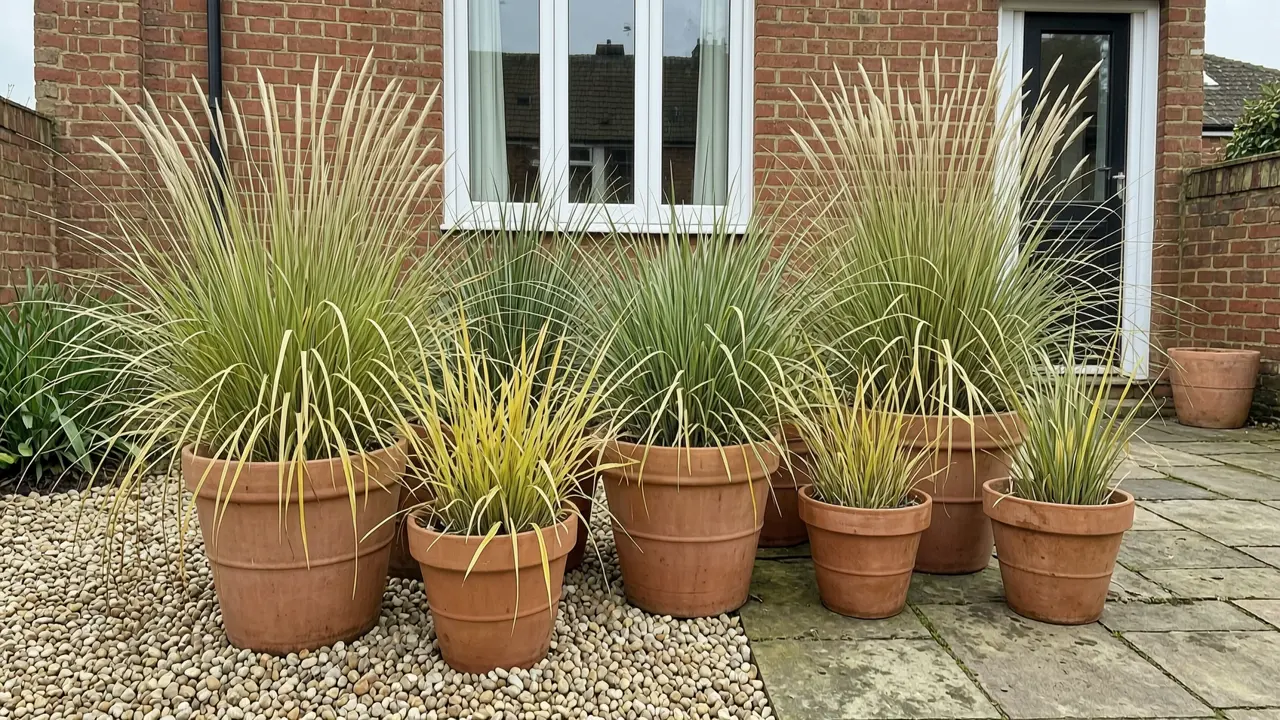 Growing Guide
How to grow ornamental grasses in pots
5 August 2026Grow ornamental grasses successfully in containers with advice on pot size, compost, watering, feeding, winter care and long-term maintenance.
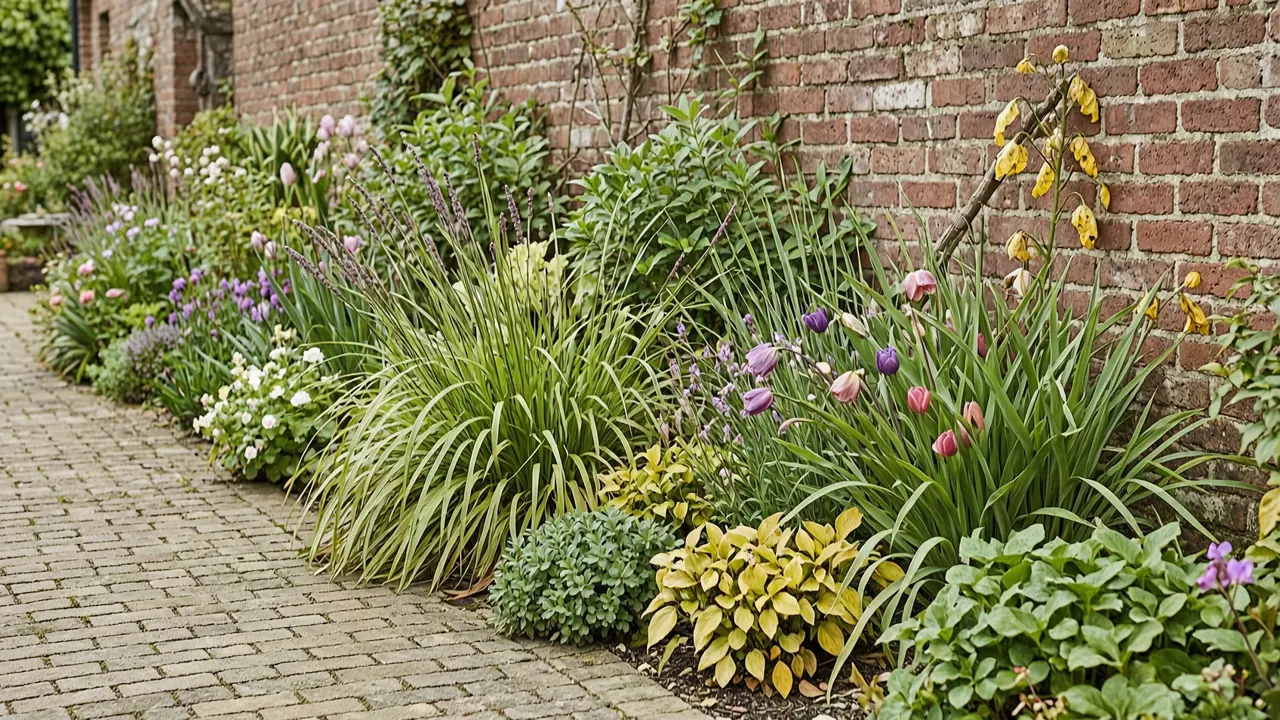 Growing Guide
How to plan a perennial border
5 August 2026Plan a balanced perennial border with practical guidance on position, colour, height, spacing, flowering succession and year-round structure.
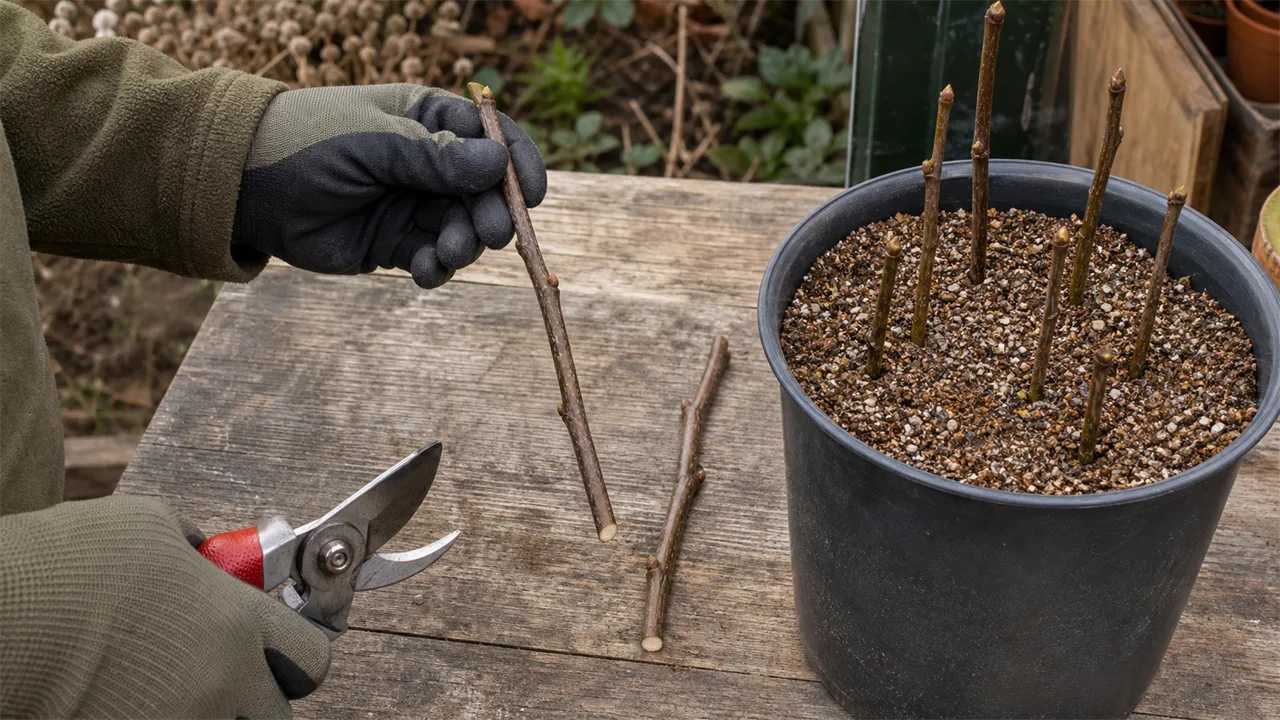 Growing Guide
How to take hardwood cuttings
29 July 2026Take hardwood cuttings from suitable dormant shrubs and climbers with this step-by-step guide to timing, preparation, rooting and aftercare.