
How to Grow Clematis: The Queen of Climbers
Clematis truly deserves its title as the queen of climbers, transforming walls, arches and pergolas with breathtaking flowers from spring through autumn.
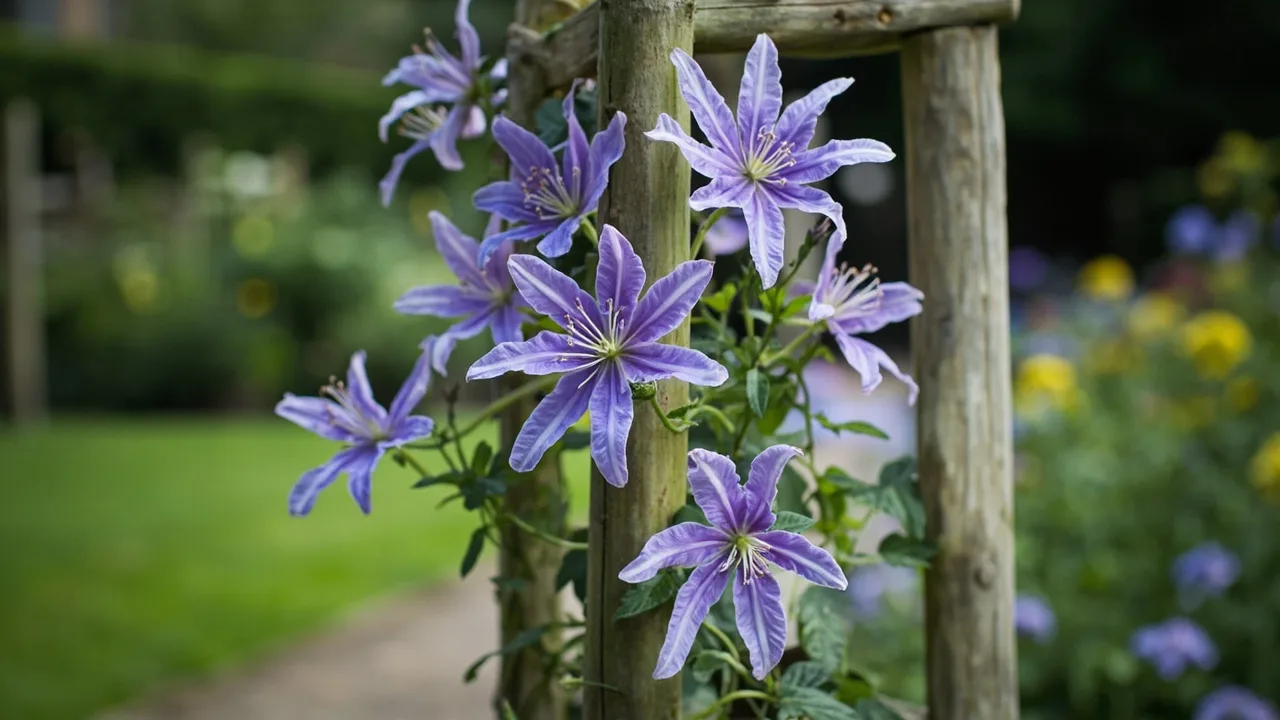
Clematis truly deserves its title as the queen of climbers, transforming walls, arches and pergolas with breathtaking flowers from spring through autumn. Whether you’re a seasoned gardener or new to climbing plants, choosing the right clematis and caring for it properly ensures years of spectacular display. This guide cuts through the confusion, giving you clear, UK-focused advice for success – no more guessing about pruning or soil needs.
Choosing the Right Clematis for Your UK Garden
Selecting a clematis that suits your garden’s conditions and your desired bloom time is crucial. The key is understanding the three main flowering groups, as this dictates your pruning strategy. Spring-flowering types (e.g., Clematis 'Nelly Moser', C. cirrhosa 'Freckles') bloom on shoots from the previous year’s growth, so avoid heavy pruning in winter. Summer/fall-flowering clematis (like the reliable C. 'Jackmanii', C. 'Perle d'Azur', or C. viticella 'Etoile Violette') flower on new growth, allowing you to cut them back hard in late winter. Twice-flowering varieties (e.g., C. 'Madame Julia Correvon') bloom on both old and new wood, needing a light prune after spring flowering.
For UK gardens, prioritise hardy, disease-resistant cultivars. Avoid overly tender varieties unless you have a sheltered, south-facing wall. C. viticella (Italian leather flower) is exceptionally resilient, tolerating UK weather and soil conditions well, with varieties like 'Macropetala' offering large, fragrant blooms. C. montana (anemone clematis), such as 'Alba Luxurians', provides stunning spring displays but requires a very sheltered spot against a wall to thrive in cooler regions – ideal for a south-facing wall in Cornwall but risky in Scotland. Always choose a variety suited to your wall height and light exposure; most prefer full sun for at least 6 hours, though C. cirrhosa tolerates dappled shade under trees. For northern UK, opt for C. vitalba (traveller’s joy) as a hardy, low-maintenance option that thrives in cooler, damper conditions.
Planting Your Clematis for Success
Timing is everything in the UK. The best time to plant clematis is from late March to early May, allowing roots to establish before summer heat, or in September to October for autumn planting (ensure soil isn’t frozen). In Scotland and northern England, delay planting by 2-4 weeks compared to southern England – aim for mid-April in Edinburgh, not late March. Prepare a hole twice the width of the rootball, mixing in 5 litres of well-rotted garden compost per square metre (not manure) and 50g of blood, fish and bone fertilizer. Crucially, plant the crown 10-15cm (4-6 inches) below soil level – this encourages vigorous new shoots from below ground, protecting the plant from spring frosts and providing a strong root base. For heavy clay soils common in the Midlands, add 10% horticultural grit to the planting mix for better drainage.
Space plants 1-1.5m (3-5ft) apart for good air circulation and to prevent overcrowding. Position them so the lower stems are shaded by other plants or mulch (a 5cm layer of bark chippings is ideal), while the upper foliage enjoys full sun. Ensure the support structure (trellis, wires, or sturdy obelisk) is firmly anchored before planting – clematis stems are fragile when young. Water thoroughly after planting and keep consistently moist (but not waterlogged) for the first growing season, especially during dry spells in spring and summer. In London and the South East, monitor for drought in July; in wetter regions like the North West, ensure drainage to prevent root rot.
Pruning: The Key to Abundant Blooms
Pruning must align with your clematis’s flowering group to avoid losing next year’s flowers. Group 1 (Spring-flowering): Prune only after flowering, removing dead or weak stems. For C. cirrhosa 'Freckles', prune lightly in late spring (May) to shape. Group 2 (Early Summer-flowering, like 'Nelly Moser'): Prune lightly in late winter (February) to remove dead wood and shape, but avoid cutting back hard. Group 3 (Late Summer/Fall-flowering, like 'Jackmanii' and C. viticella): Cut back hard to 30-60cm (1-2ft) above ground level in late winter (February/March). In southern England, prune in February; in Scotland, wait until March to avoid late frosts. For twice-flowering types, prune after the first flush of spring flowers (late May), then again lightly in late winter.
- Essential Pruning Checklist:
- Identify your group first – check the plant label or nursery description (Group 1 = spring bloom, Group 3 = late bloom).
- Use sharp, clean secateurs – disinfect with methylated spirits between cuts.
- Cut just above a strong, outward-facing bud at a 45-degree angle.
- Remove all dead, diseased, or crossing stems completely.
- For Group 3, cut back hard – don’t be tempted to leave more stem; 30cm is ideal for UK winters.
- Never prune spring-flowering clematis in autumn/winter – you’ll remove next year’s buds.
Feeding, Watering, and Ongoing Care
Once established (after the first year), clematis benefit from regular feeding. In early spring (March/April), apply a balanced, slow-release organic fertilizer (e.g., John Innes No. 2 or a 5-5-5 NPK) around the base, keeping it away from the main stem. A second application in late spring (May) supports flower development. Avoid high-nitrogen fertilizers which promote leafy growth at the expense of flowers – a common mistake in UK gardens. Water deeply and regularly during dry periods, especially in summer when the plant is flowering and establishing. A 5cm (2-inch) mulch layer of well-rotted garden compost or bark chippings helps conserve moisture, suppress weeds, and keep roots cool – vital for UK summers when temperatures can exceed 25°C.
Monitor for common issues: powdery mildew (a white, powdery coating on leaves) thrives in humid, still conditions common in UK summers. Improve air circulation by pruning, avoid overhead watering, and apply a fungicide like Systhane (following label instructions and UK regulations) if severe. Clematis wilt (a fungal disease causing sudden wilting) is more common on young plants. If it occurs, cut back the affected stem to healthy tissue below the wilt, and dispose of the cuttings (do not compost). Ensure good drainage to prevent root rot, especially in heavy clay soils – raised beds or improved soil structure (adding grit) are essential for UK gardens in areas like the East Midlands.
Troubleshooting Common Problems
If your clematis isn’t flowering, the most likely cause is incorrect pruning (cutting off flower buds), insufficient sunlight (less than 6 hours of sun), or lack of nutrients. Ensure it’s planted in a sunny spot (south or west-facing is ideal), prune correctly for its group, and feed appropriately. For C. vitalba (traveller’s joy), a common UK native, it can become invasive if not contained – regularly cut back runners growing beyond your desired area using sharp shears in late summer. If leaves turn yellow, it could indicate poor drainage (improve soil with grit or raised beds) or a nutrient deficiency (feed with a balanced fertilizer). Never use fresh manure as it can burn roots; always use well-rotted garden compost or a commercial organic fertilizer. All Clematis are mildly toxic to cats, dogs, and horses (RHS), so avoid planting near pet areas.
Plants in this guide
Recommended Products
GardenWizz earns a commission from qualifying purchases made through affiliate links on this page (including links within the article) — as an Amazon Associate, and from Thompson & Morgan via the Awin network. This does not affect the price you pay. See our disclaimer for details.
Related Articles
More →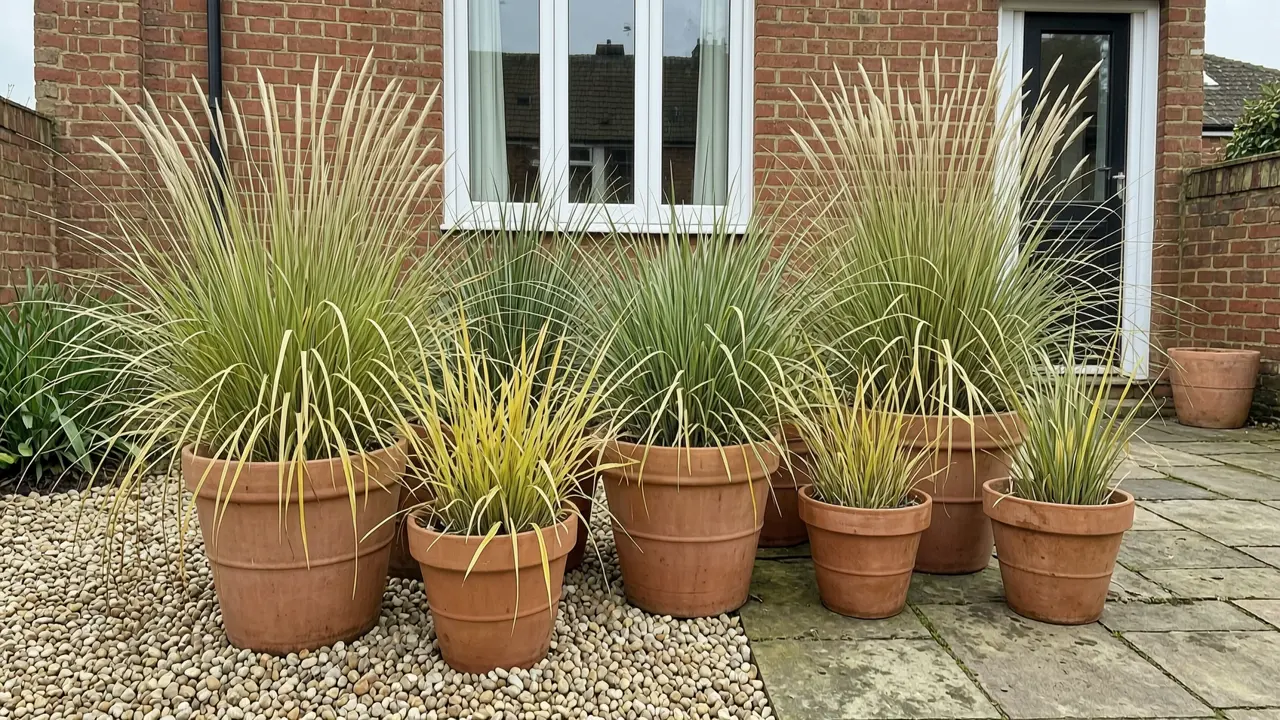 Growing Guide
How to grow ornamental grasses in pots
5 August 2026Grow ornamental grasses successfully in containers with advice on pot size, compost, watering, feeding, winter care and long-term maintenance.
 Growing Guide
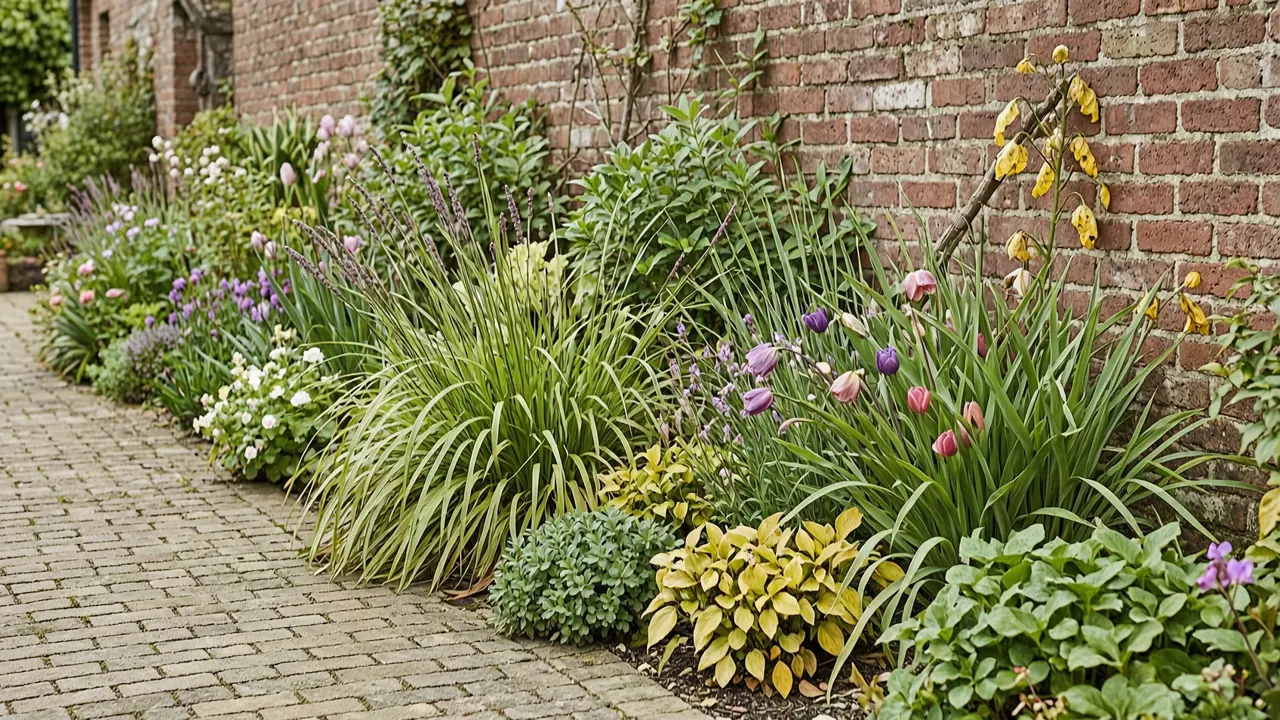
How to plan a perennial border
5 August 2026Plan a balanced perennial border with practical guidance on position, colour, height, spacing, flowering succession and year-round structure.
 Growing Guide
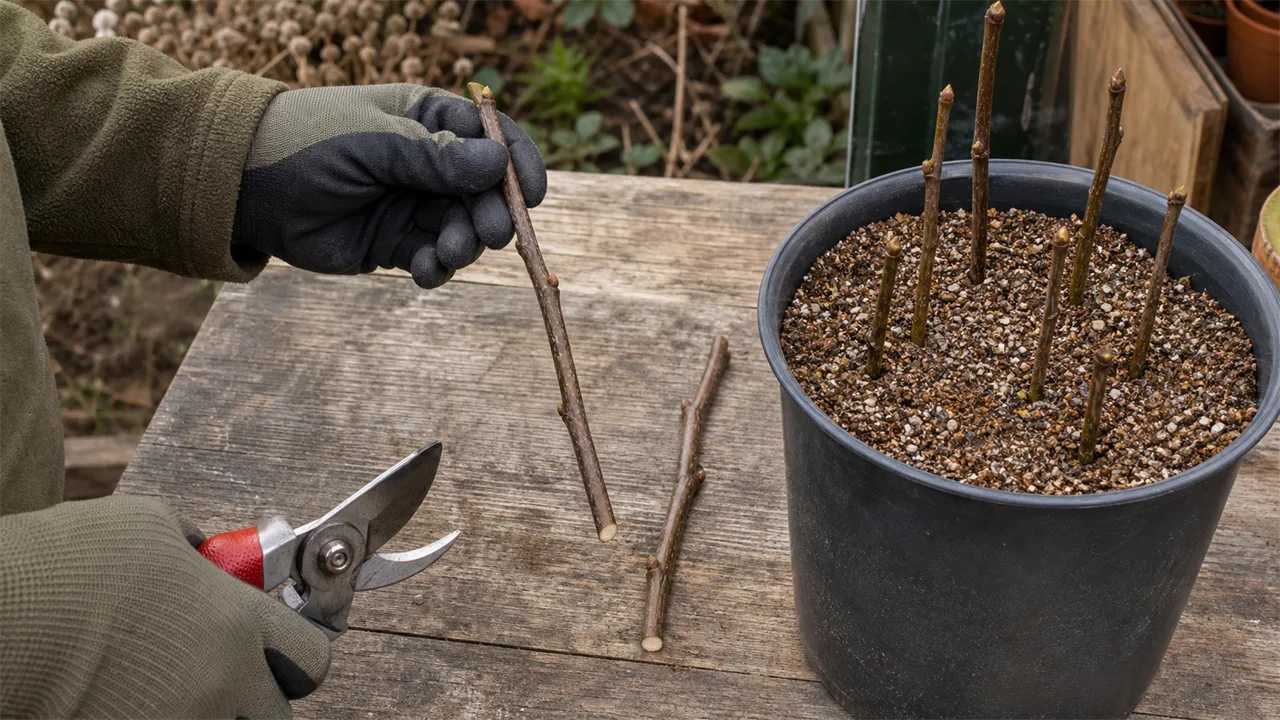
How to take hardwood cuttings
29 July 2026Take hardwood cuttings from suitable dormant shrubs and climbers with this step-by-step guide to timing, preparation, rooting and aftercare.