
How to Grow Kale: A Hardy Winter Crop
Kale is the ultimate UK winter workhorse: hardy, nutritious, and sweeter after frost.
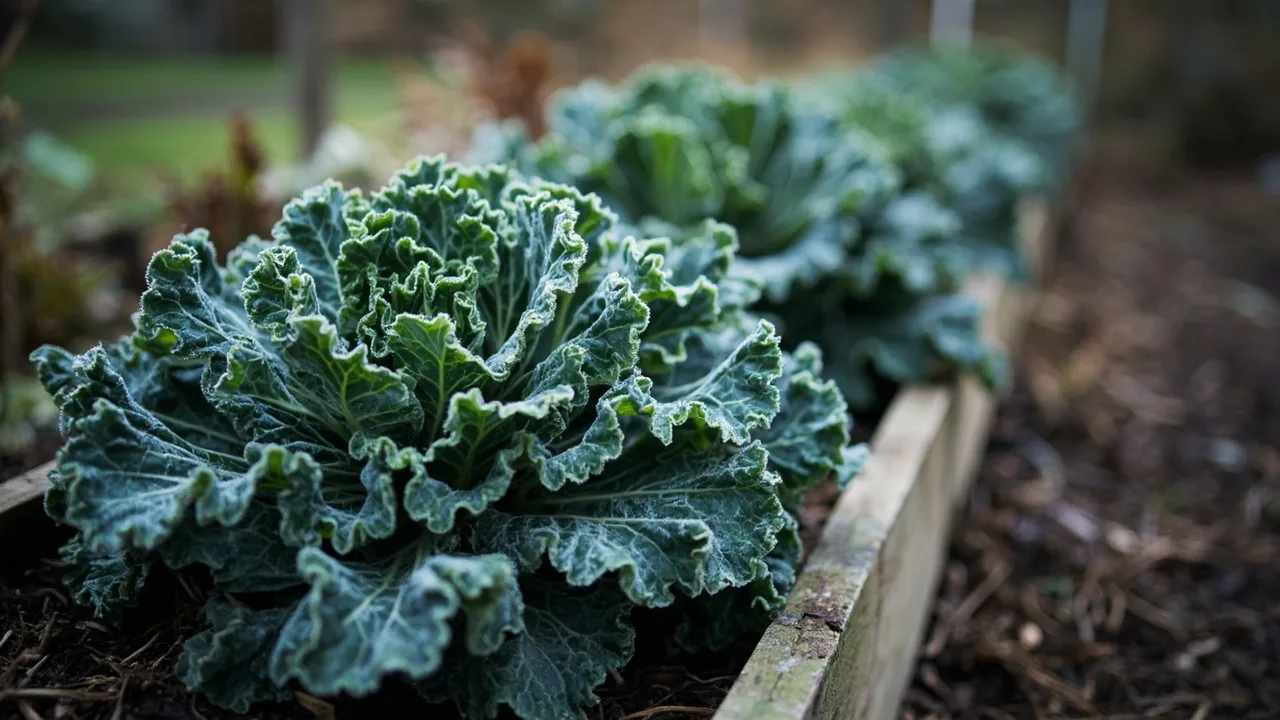
Kale is the ultimate UK winter workhorse: hardy, nutritious, and sweeter after frost. Sow it in late summer for a crop that thrives through cold snaps, providing fresh greens when little else is available. Its versatility—from colcannon to smoothies—makes it a garden essential, especially for those tackling the 'hungry gap' between autumn harvests and spring vegetables. Unlike many brassicas, kale’s deep roots and frost-hardy nature mean it keeps producing even when other crops are dormant, making it a vital addition to any sustainable UK garden.
Choosing Your Kale Variety for UK Gardens
Selecting the right kale variety ensures success in your specific climate and garden space. For most UK gardeners, curly kale (like 'Red Russian' or 'Dwarf Blue Curled') is the most reliable, offering good frost tolerance and a familiar flavour. Lacinato (dinosaur kale), with its dark, bumpy leaves, is excellent for winter harvests and holds up well in cold, wet weather—ideal for exposed coastal gardens or northern regions. Avoid ornamental kale for eating—it’s tougher and less palatable, though lovely for borders. If you have a small space, 'Tuscan' kale (lacinato) is ideal as it grows tall with fewer leaves, minimising space. For a truly hardy option, choose 'Winterbor' or 'Siberian'—both are bred specifically for UK winters and can survive temperatures down to -15°C. Remember, Scottish and northern UK gardeners should delay sowing by 2-4 weeks compared to southern England or London. Crucially, 'Siberian' kale is particularly suited to Scotland’s damp cold, while 'Red Russian' offers the best balance of flavour and hardiness for most English gardens.
Soil Preparation: Getting It Right
Kale prefers fertile, well-drained soil with a pH between 6.0 and 7.5. Crucially, compost or organic matter does not significantly alter soil pH—use garden lime (calcium carbonate) to raise pH if your soil is too acidic, or sulphur to lower it if it’s too alkaline. Test your soil first (a £10 kit from a garden centre is sufficient; aim for a pH of 6.5-7.0 for optimal growth). If your soil is heavy clay (common in parts of the Midlands and South West), dig in 5cm of well-rotted garden compost or manure before planting to improve drainage—this prevents waterlogging that can cause root rot in winter. For sandy soils (typical in East Anglia), add 5cm of compost to boost moisture retention. Avoid adding fresh manure, as it can burn seedlings; always use well-rotted material. Work the soil to a fine tilth, removing large stones, and rake to a smooth surface. Do this 2-3 weeks before sowing to allow the soil to settle—this is vital for seedling establishment in late summer. For container gardening (e.g., on a patio), use a mix of 50% ericaceous compost and 50% multi-purpose compost to replicate ideal drainage and pH.
Sowing and Planting: Timing is Everything
Sow kale seeds directly in the garden bed from mid-August to early September in southern England and London, or late August to mid-September in Scotland and northern England. This timing allows seedlings to establish before winter’s coldest spells (typically late November/December). For a continuous harvest, stagger sowings every 3 weeks until mid-September. Plant seeds 1cm deep in rows 30cm apart, thinning seedlings to 25cm apart once they have two true leaves—this spacing prevents overcrowding, which invites disease. If you prefer a head start, sow seeds indoors in pots from late July to early August under a cloche, then transplant outdoors in mid-August (after hardening off for 7 days). Do not sow kale in spring—it will bolt (go to seed) quickly in summer heat. In colder regions like Scotland, delay sowing until late August to avoid early frosts; in milder areas like Cornwall, you can sow as early as late July. Always water seedlings gently after sowing, using a fine spray to avoid washing seeds away.
Winter Care: Protecting Your Crop
Once established, kale needs minimal care but benefits from strategic protection. In late autumn (October), apply a 5cm layer of well-rotted manure or straw mulch around the base of plants—this insulates roots and suppresses weeds, vital in exposed gardens or where winter winds are strong. Do not cover plants with plastic—it traps moisture and encourages rot. If heavy snow falls, gently brush it off leaves to prevent breakage; use a soft broom, not a shovel. In prolonged deep freezes (below -5°C), a light covering of horticultural fleece over the plants (secured with pegs) provides extra insulation without smothering them—this is especially useful in northern England or Scotland. Water only during prolonged dry spells in winter (e.g., a week without rain in December), as kale’s deep roots access moisture from lower soil layers. Avoid fertilising in winter—this encourages soft growth that’s vulnerable to frost damage. For container-grown kale, move pots to a sheltered spot (e.g., against a south-facing wall) during extreme cold snaps.
Harvesting: When and How to Pick
Harvest kale leaves when they’re young and tender, typically from late October through to March. The best flavour develops after a frost—wait until after a hard freeze (below 0°C) for sweeter, less bitter leaves. Pick outer leaves first, cutting them with clean scissors at the base of the stem—this encourages new growth from the centre. Never remove more than one-third of the leaves at a time to keep the plant productive. For lacinato kale, harvest the central stalks when they’re 15-20cm long for a more tender texture; this is ideal for soups like caldo verde. If you have a mild winter (e.g., in the South West), you can harvest continuously; in harsher winters (e.g., northern Scotland), the plant will go dormant but resume growth in spring. Store unwashed leaves in a plastic bag with a damp paper towel in the fridge for up to 2 weeks. For longer storage, blanch leaves in boiling water for 2 minutes, plunge into cold water, then freeze in portions—this preserves nutrients better than air-drying.
Common Pests and Diseases: UK-Specific Solutions
Kale is generally resilient but can attract pests. The most common issue is cabbage root fly—its larvae tunnel into roots, causing plants to wilt. Prevent this by covering seedlings with horticultural fleece from sowing until they’re established (around 4 weeks). If infested, remove affected plants and avoid planting brassicas in the same spot for 3 years. Aphids can cluster on new growth; spray them off with a strong jet of water or use a natural insecticidal soap (e.g., potassium soap, following product label instructions and UK regulations). Slugs are a year-round threat—use beer traps (a shallow dish half-filled with beer) or copper tape around beds (copper reacts with slug slime, deterring them). Never use chemical pesticides without checking the label and current UK guidelines; many are restricted for home use. If you spot grey mould (Botrytis) on leaves, remove and destroy affected foliage immediately to prevent spread—this is common in damp, poorly ventilated beds. Remember, kale is non-toxic to cats, dogs, and horses (RHS), but avoid foraging wild kale without expert confirmation.
Recommended Products
GardenWizz earns a commission from qualifying purchases made through affiliate links on this page (including links within the article) — as an Amazon Associate, and from Thompson & Morgan via the Awin network. This does not affect the price you pay. See our disclaimer for details.
Related Articles
More →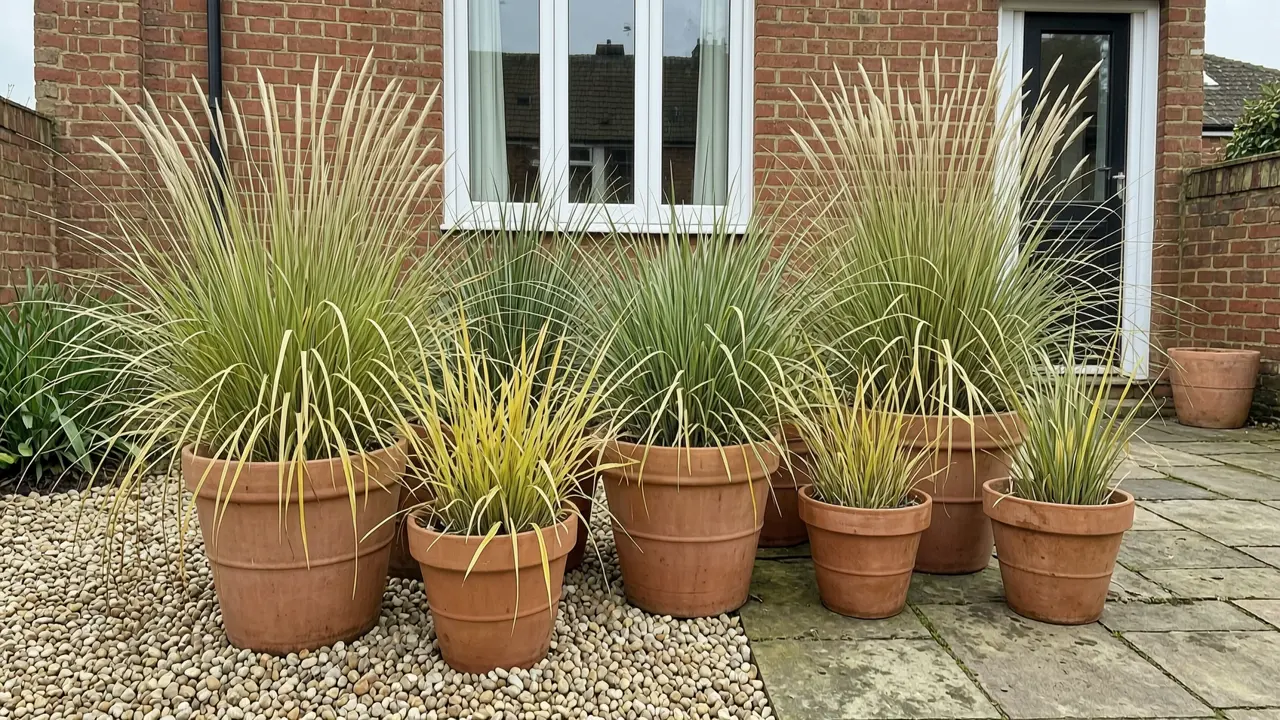 Growing Guide
How to grow ornamental grasses in pots
5 August 2026Grow ornamental grasses successfully in containers with advice on pot size, compost, watering, feeding, winter care and long-term maintenance.
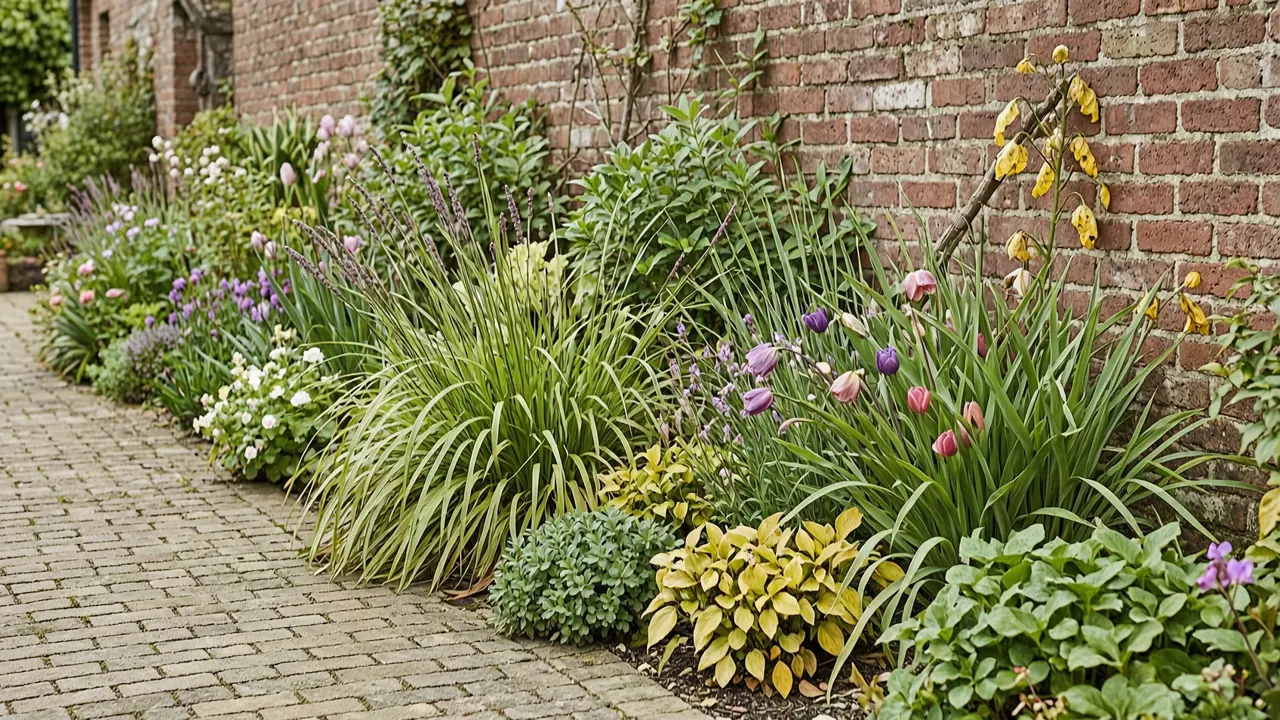 Growing Guide
How to plan a perennial border
5 August 2026Plan a balanced perennial border with practical guidance on position, colour, height, spacing, flowering succession and year-round structure.
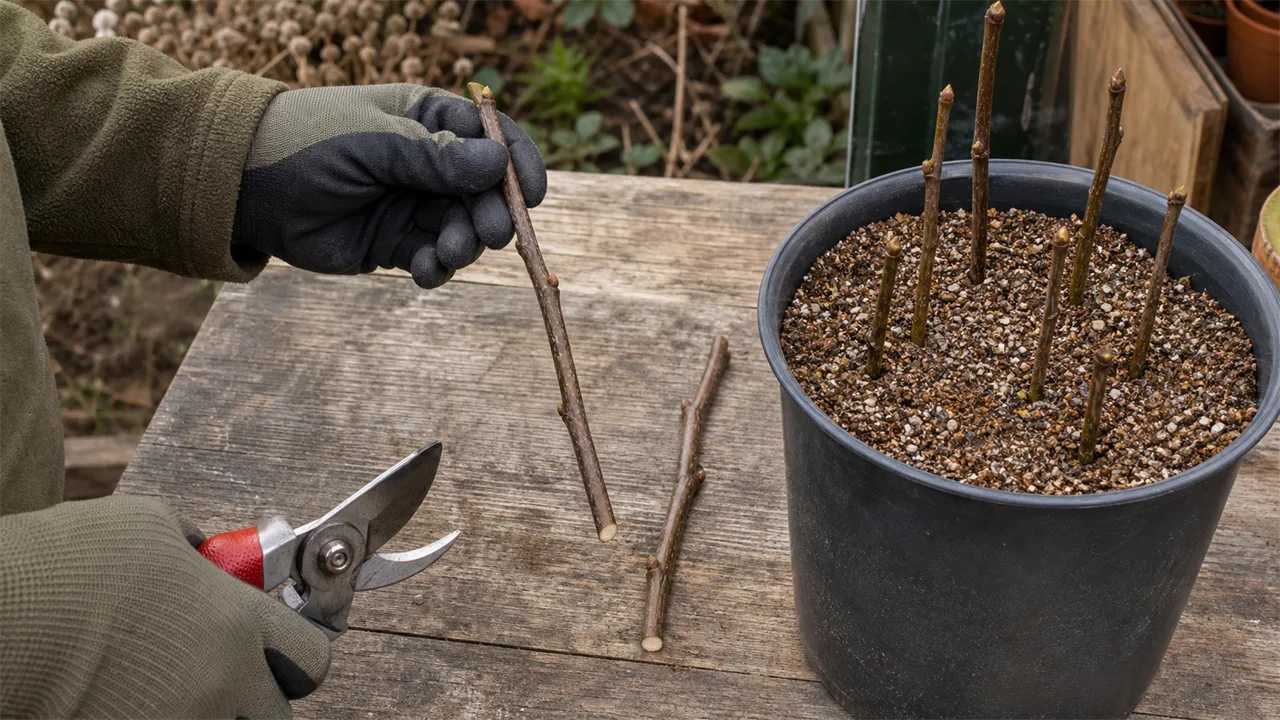 Growing Guide
How to take hardwood cuttings
29 July 2026Take hardwood cuttings from suitable dormant shrubs and climbers with this step-by-step guide to timing, preparation, rooting and aftercare.