
How to Grow Leeks: Sowing to Harvest
Leeks are a garden staple that thrive in UK conditions, offering a mild, versatile flavour perfect for soups, stews, and raw salads. Their remarkable cold tolerance means they can be grown from late…
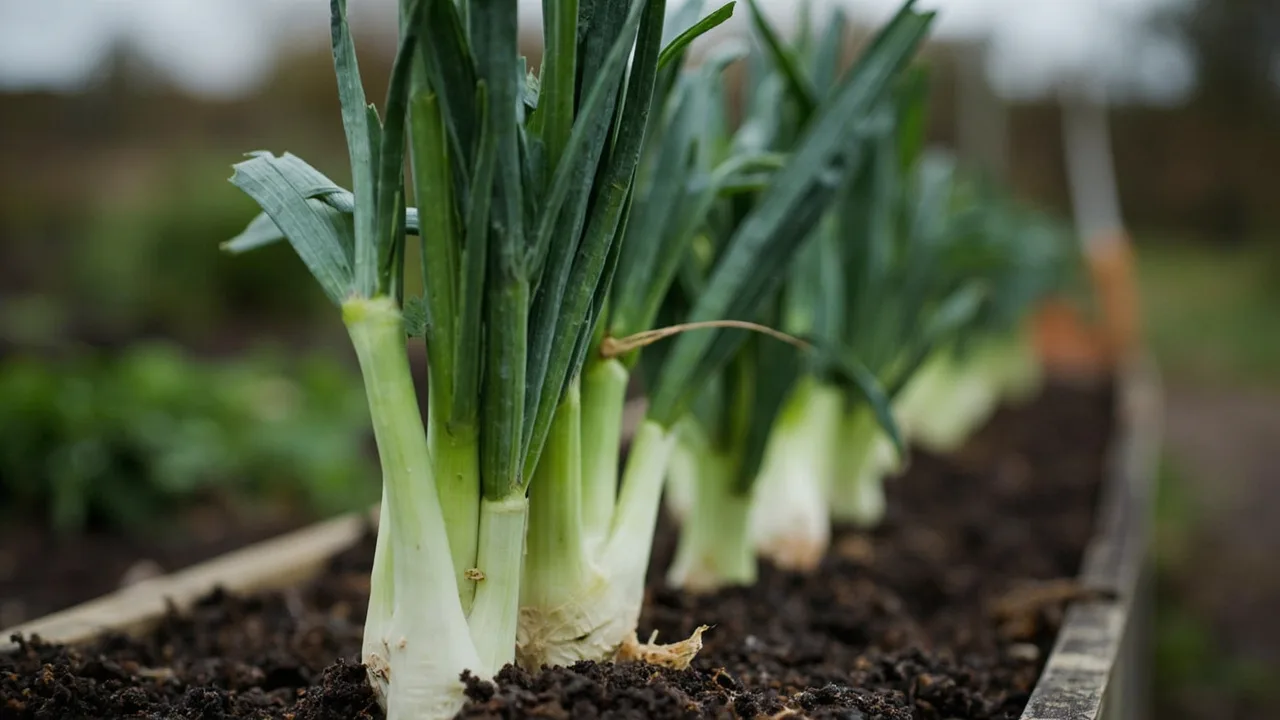
Leeks are a garden staple that thrive in UK conditions, offering a mild, versatile flavour perfect for soups, stews, and raw salads. Their remarkable cold tolerance means they can be grown from late winter through to early summer, with overwintering varieties providing harvests well into spring. This guide gives you precise, UK-tailored advice for sowing, planting, managing pests, and harvesting, ensuring you get long, tender stems every season.
Soil Preparation: The Foundation for Success
Leeks demand loose, well-drained soil to develop their signature long, white stems; heavy clay will cause crooked growth or stunted plants. Amend clay soils in autumn by digging in 5cm (2in) of well-rotted garden compost or farmyard manure, mixed with 20% sharp sand to improve drainage. For sandy soils, add 5cm (2in) of garden compost to boost moisture retention. Test your soil pH in September—aim for 6.0–7.0. If acidic (below 6.0), apply garden lime at 50g per square metre; if alkaline (above 7.0), use sulphur at 25g per square metre. Never rely on compost to adjust pH. Work the soil to a depth of 30cm (12in), removing stones and large clumps. In Scotland or Northern England, delay soil preparation by 3 weeks compared to the South West, as spring arrives later. For raised beds, use a mix of 50% topsoil, 30% compost, and 20% sharp sand to create the ideal light, airy texture.
Soil prep checklist:
- Amend clay soils with 10% sharp sand in autumn.
- Test pH in September; adjust with lime/sulphur before planting.
- Create 15cm (6in) deep trenches 30cm (12in) apart for planting.
- In Scotland, prepare soil from late March instead of mid-February.
Sowing: Timing and Techniques for Strong Starts
Sow leek seeds indoors for reliable results. In Southern UK (London, South West), start seeds in seed trays filled with seed compost from late February to early March for summer harvests (ready July–September). For overwintering varieties (harvested March–May), sow from mid-July to early August. In Scotland or Northern UK, delay sowing by 2–3 weeks: sow summer leeks from late March to early April, and overwintering types from late August to early September. Sow seeds 1cm (½in) deep, spacing them 2cm (¾in) apart in trays. Keep at 15–20°C (59–68°F) for 7–14 days until germination. Thin seedlings to 3cm (1½in) apart when they reach 5cm (2in) tall. For direct sowing (not recommended for beginners), choose a sheltered spot, sow seeds 1cm deep in April (South) or May (Scotland), and thin to 5cm (2in) apart when 10cm (4in) tall. Note: Direct sowing risks poor germination in cold, wet UK soil—indoor sowing is far more reliable.
Sowing quantities & timing:
- Summer leeks: 15g of seed per square metre for indoor trays.
- Overwintering leeks: Use 'Tadorna Blue' or 'King Richard' for best flavour.
- In London, sow indoors 25 February; in Glasgow, wait until 15 March.
Transplanting: Moving Seedlings to Their Final Home
Transplant seedlings when they’re pencil-thick (about 12 weeks after sowing), typically in late April (South) to mid-May (Scotland). This step is critical for long, white stems—overwintering varieties need this to develop robust roots for cold tolerance. Prepare trenches 20cm (8in) deep, spacing plants 15cm (6in) apart in rows 30cm (12in) apart. Gently lift seedlings with a fork, keeping the root ball intact, and place them in the trench so soil covers the base up to the first leaves. Firm the soil gently, water thoroughly, and mound soil around the base to blanch the stems. Repeat mounding weekly from June to August, building soil up to 10cm (4in) above the crown. Never transplant in cold, wet weather—wait for a dry spell.
Why transplanting matters:
- Prevents overcrowding, which causes thin, weak stems.
- Mounding soil blanches the stems, improving flavour and texture.
- Overwintering types like 'Tadorna Blue' require this to survive UK winters.
Pest and Disease Management: Staying Ahead of Threats
Thrips (tiny insects causing silvering and stunted growth) and leek moth caterpillars are the biggest threats. Thrips thrive in hot, dry weather—water deeply at 8am during July–August heatwaves to reduce plant stress. Remove affected plants immediately to prevent spread. For leek moth, use fine mesh netting (1mm mesh) over beds from April to June to block moths. The RHS recommends intercropping with peas or beans, as their scent disrupts thrips. For leek rust (a fungal disease causing orange pustules), remove infected leaves and ensure good air circulation by spacing plants correctly. Never use chemical pesticides without checking UK regulations—follow the product label precisely. If needed, use organic neem oil (RHS-approved) for thrips.
Preventative measures for UK gardens:
- Plant disease-resistant varieties like 'King Richard' (less prone to rust).
- Install mesh netting by 15 April in Southern UK; wait until 1 May in Scotland.
- Rotate leeks every 3 years—never plant in the same spot twice.
- Remove thrips-infested leaves during dry weather (avoid wet days).
Harvesting: Timing for Peak Flavour and Texture
Summer leeks (sown early) are ready from July to September—pull when stems are 2cm (¾in) thick. Overwintering types (sown late) are harvested from March to May; wait until stems reach 3–4cm (1¼–1½in) thick. Harvest on a dry day using a garden fork to lift leeks gently from the soil, avoiding splits. Trim roots and dark green leaves, leaving the white stem and pale green base. Overwintering leeks develop deeper flavour after frost—harvest after a hard frost for best results. For a "stand" harvest, leave some leeks in the ground until needed; they’ll keep for weeks. Do not harvest overwintering leeks before 6 months (planted July = harvested March), as they need this time to mature.
Harvesting by variety:
- 'Tadorna Blue' (overwintering): Harvest 15 March–15 May in Southern UK.
- 'King Richard' (summer): Harvest 10 July–15 September.
- Always lift leeks before heavy autumn rain to prevent rot.
Storage: Keeping Leeks Fresh for Months
After harvest, trim roots and dark green leaves. Store leeks in a cool, dark place (1–4°C) with high humidity (85–90%). For short-term storage (up to 2 weeks), wrap in a damp cloth and place in a plastic bag in the fridge. For long-term storage (up to 6 months), bury leeks upright in moist sand or peat in a cool shed or unheated garage. Do not wash leeks before storage—moisture causes rot. Check weekly for soft spots; remove any affected leeks immediately. In UK homes, a root cellar or unheated shed is ideal; if unavailable, a cool cupboard away from potatoes works.
Storage essentials:
- Trim leaves and roots; never wash.
- Store in ventilated containers (e.g., perforated plastic boxes).
- In Scotland, store leeks in a shed with a thermometer to monitor temperature.
- Overwintering leeks stored in sand last until May.
Recommended Products
GardenWizz earns a commission from qualifying purchases made through affiliate links on this page (including links within the article) — as an Amazon Associate, and from Thompson & Morgan via the Awin network. This does not affect the price you pay. See our disclaimer for details.
Related Articles
More →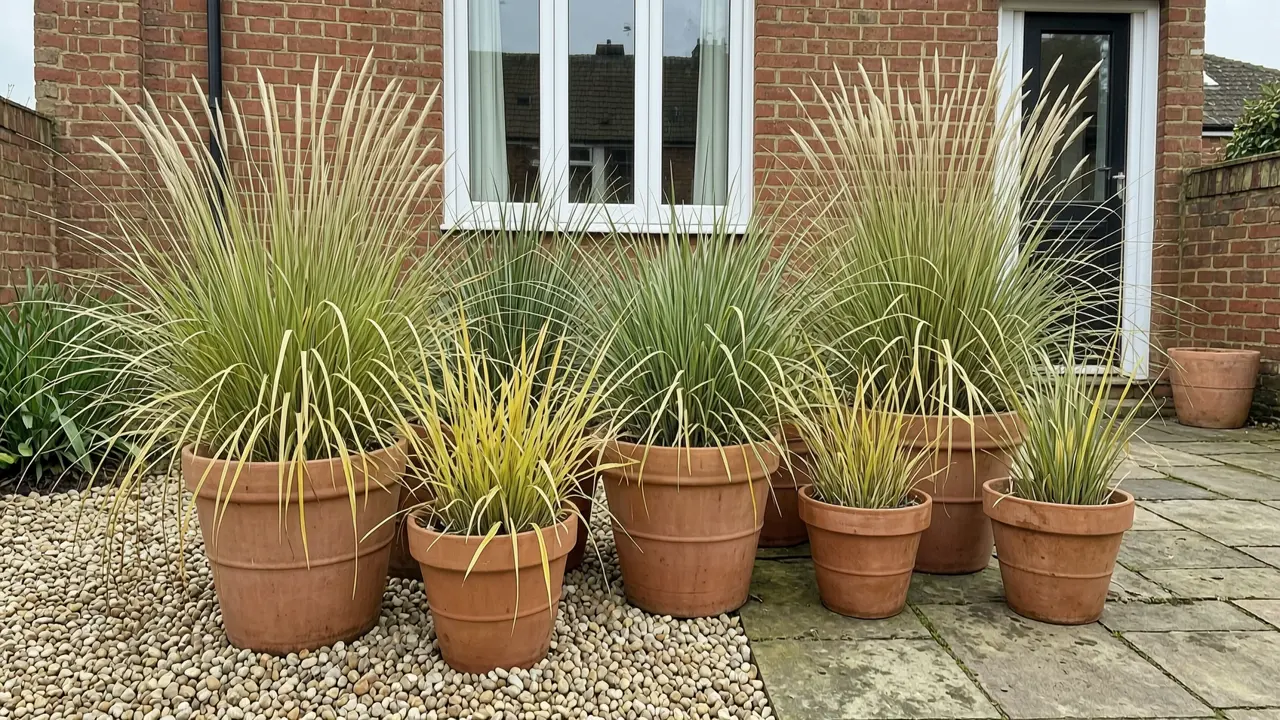 Growing Guide
How to grow ornamental grasses in pots
5 August 2026Grow ornamental grasses successfully in containers with advice on pot size, compost, watering, feeding, winter care and long-term maintenance.
 Growing Guide
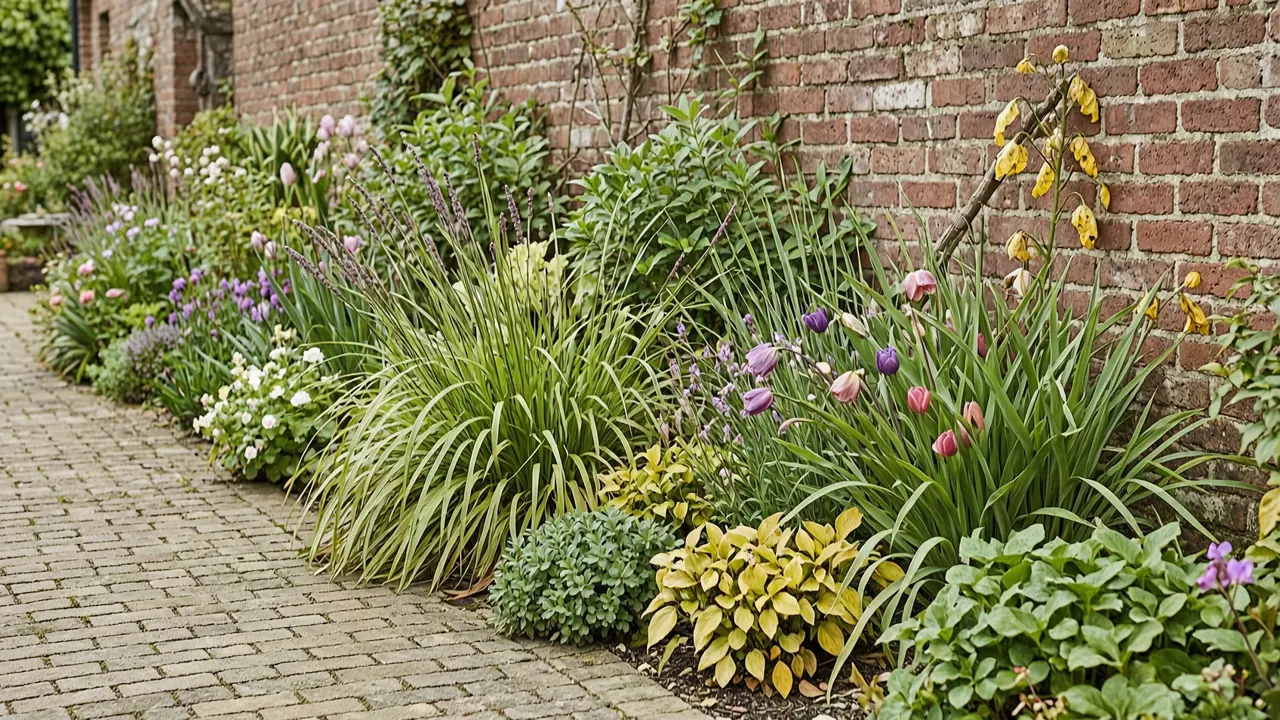
How to plan a perennial border
5 August 2026Plan a balanced perennial border with practical guidance on position, colour, height, spacing, flowering succession and year-round structure.
 Growing Guide
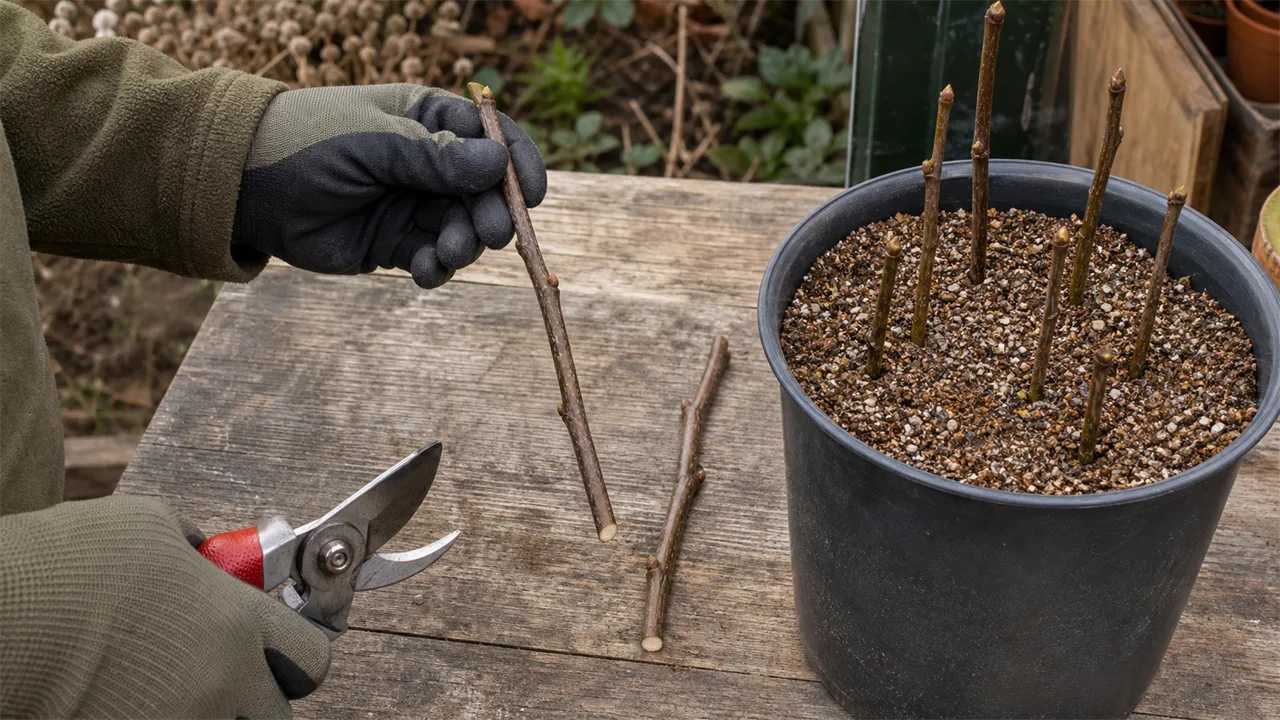
How to take hardwood cuttings
29 July 2026Take hardwood cuttings from suitable dormant shrubs and climbers with this step-by-step guide to timing, preparation, rooting and aftercare.