
How to Grow Peas in the UK: A Complete Guide
They’re also one of the easiest crops to grow, fix their own nitrogen, and the plants are decorative enough to grow in a flower border.
At a Glance
| Sow | February (early), April-May (main), June-July (autumn) |
|---|---|
| Sun | Full sun |
| Soil | Fertile, moisture-retentive |
| Spacing | 5-7 cm apart in 60 cm double rows |
| Hardiness | H5 — most UK gardens |
| Difficulty | Easy |
| Time to harvest | 10-14 weeks from sowing |
Peas are the ultimate UK garden crop. Nothing beats the taste of a pea eaten straight from the pod in the garden — the sugars start converting to starch within minutes of picking, so shop-bought peas can’t compare. They’re also one of the easiest crops to grow, fix their own nitrogen, and the plants are decorative enough to grow in a flower border.
A short row of peas in May, June and July will keep a family in pods for a couple of months. With careful variety choice you can be picking from late May right through to October, and a final sowing of a hardy round-seeded type in November gives you an overwintering crop for early June the following year.
When to sow peas in the UK
There are four sowing windows, each tied to a different harvest period. Peas are cool-season crops and stop producing once the weather gets hot, so the trick is to have plants ready to crop before and after the warmest part of summer.
- Overwintered sowing (October to mid-November): only successful in mild regions or free-draining soil. Hardy round-seeded varieties like ‘Meteor’ or ‘Avola’. They sit in the ground over winter and crop in late May to early June.
- Early sowing (February to mid-March): the first main sowing. Direct into the ground once the soil is workable, in a sheltered spot. Use round-seeded types which tolerate cold better. Crops in June to early July.
- Main sowing (April to May): the easiest and most reliable. Sow direct into the ground every 2–3 weeks for a continuous harvest from June to August.
- Late sowing (June to early July): for an autumn harvest. Use quick-maturing varieties like ‘Kelvedon Wonder’ or ‘Early Onward’.
Avoid sowing after mid-July — the plants won’t have time to crop before the autumn weather arrives. And don’t sow in the heat of midsummer — germination is poor above 25 °C.
Choosing pea varieties
There are three main types, plus a fourth (snap/mangetout) which is a different beast entirely:
- Round-seeded peas: the traditional type, hardier and better for early and late sowings. ‘Meteor’ (very dwarf, very hardy), ‘Avola’ (early, heavy crop), ‘Feltham First’ (classic early).
- Wrinkled-seeded peas:
- Mangetout and snap peas:
For a small garden, ‘Onward’ is hard to beat — dwarf (60–90 cm), heavy cropping, sweet, and doesn’t need much support. For a tall variety that crops over a longer window, ‘Alderman’ is the heritage classic. For something different, ‘Waverex’ is the petit pois of choice for shelling.
Sowing peas
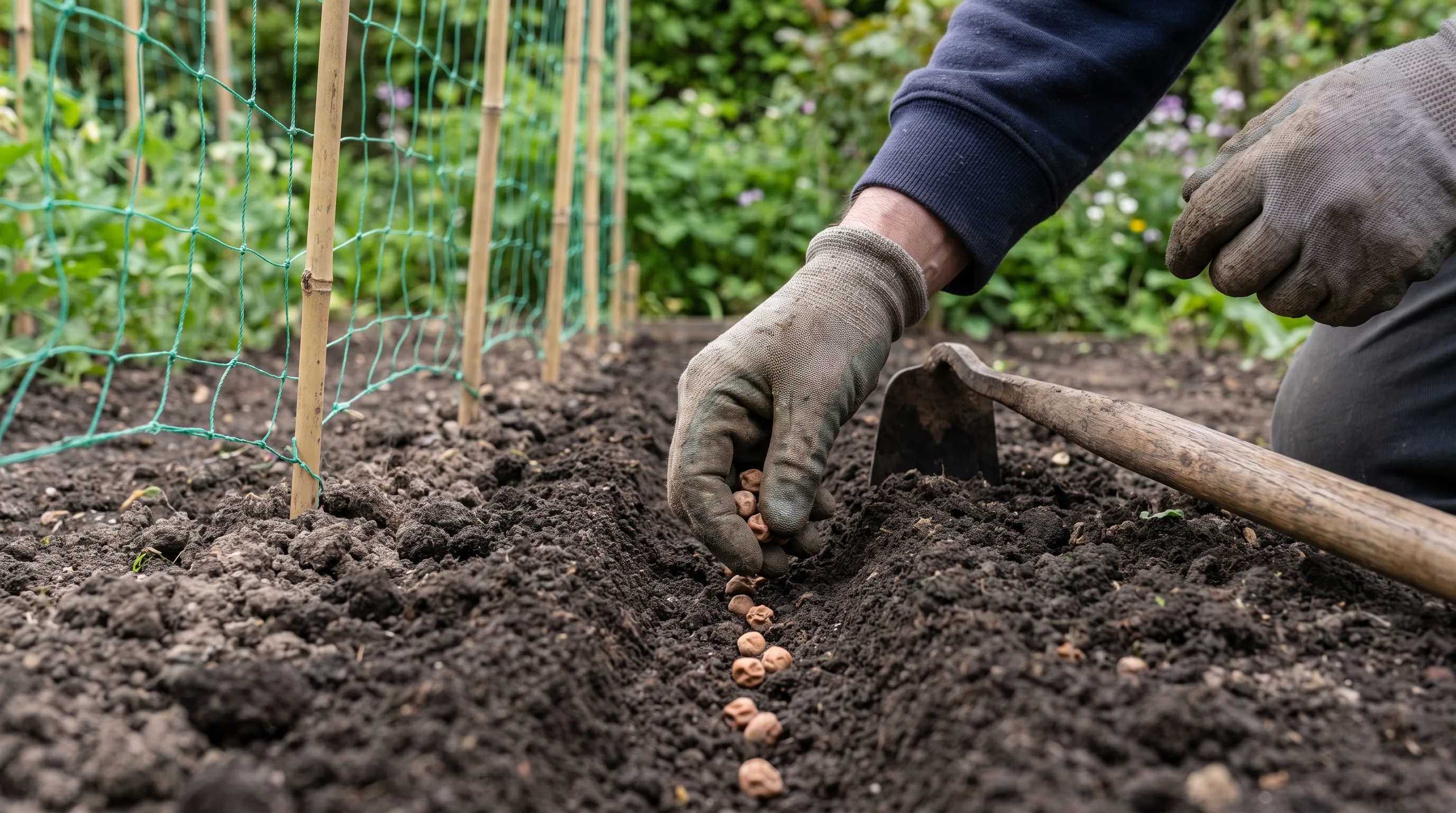
Peas dislike root disturbance, so they’re best direct-sown. Draw a flat-bottomed drill 5 cm deep and 15 cm wide with a spade or hoe. Sow the seeds in a double row, 5–7 cm apart, with 60 cm between double rows. Cover with soil, firm gently, and water.
For early sowings in February or March, cover the row with horticultural fleece or a cloche for the first 4–6 weeks — this raises the soil temperature and protects seedlings from mice and pigeons, both of which love pea seeds.
For an autumn crop, sow in a spot that gets afternoon shade so the soil doesn’t get too hot. Pre-soak the seeds overnight before sowing to improve germination.
Supporting peas
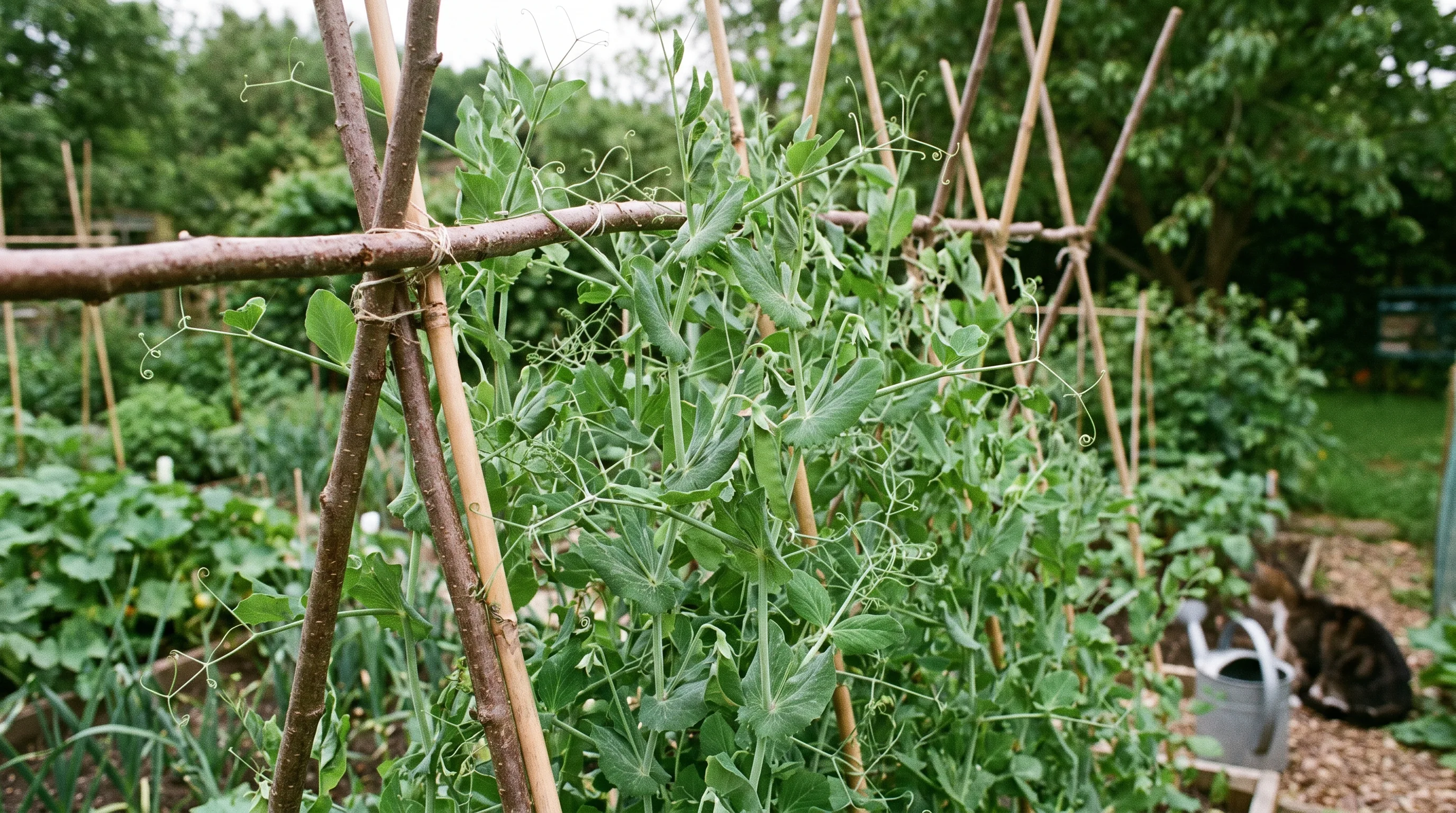
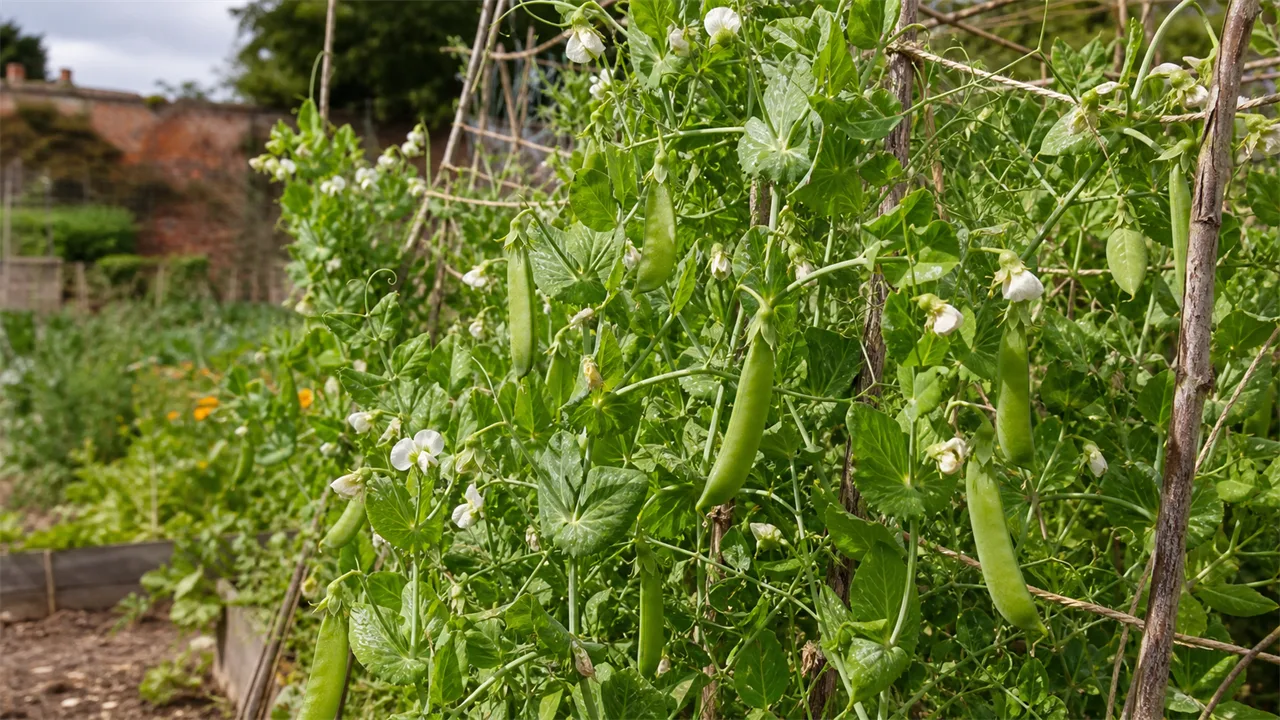
Even dwarf varieties (under 1 m) flop over without support, especially after rain. Put the support in place at sowing time, not later — peas climb by tendrils, and the tendrils need to find the support while the plant is still small.
For dwarf peas (60–90 cm), use short hazel or birch twigs (pea sticks) pushed in along the row, or a length of pea netting stretched between canes. For taller varieties (1.2–1.5 m), use a row of 1.5 m bamboo canes with netting stretched between them, or a traditional teepee of canes tied at the top.
Care: water, feed, pests
Peas are not demanding. Water during dry spells, especially at flowering time — a dry spell when the flowers are setting causes the pods to drop. A weekly deep soak is plenty.
Don’t feed with nitrogen — peas fix their own from the atmosphere. A potash feed (tomato fertiliser or comfrey tea) at flowering time improves pod set and pea size.
Three main pests:
- Mice:
- Pigeons:
- Pea moth:
Diseases: powdery mildew (in dry summers; water consistently, choose resistant varieties) and fusarium wilt (rotation, don’t grow peas in the same bed for four years).
Harvesting peas
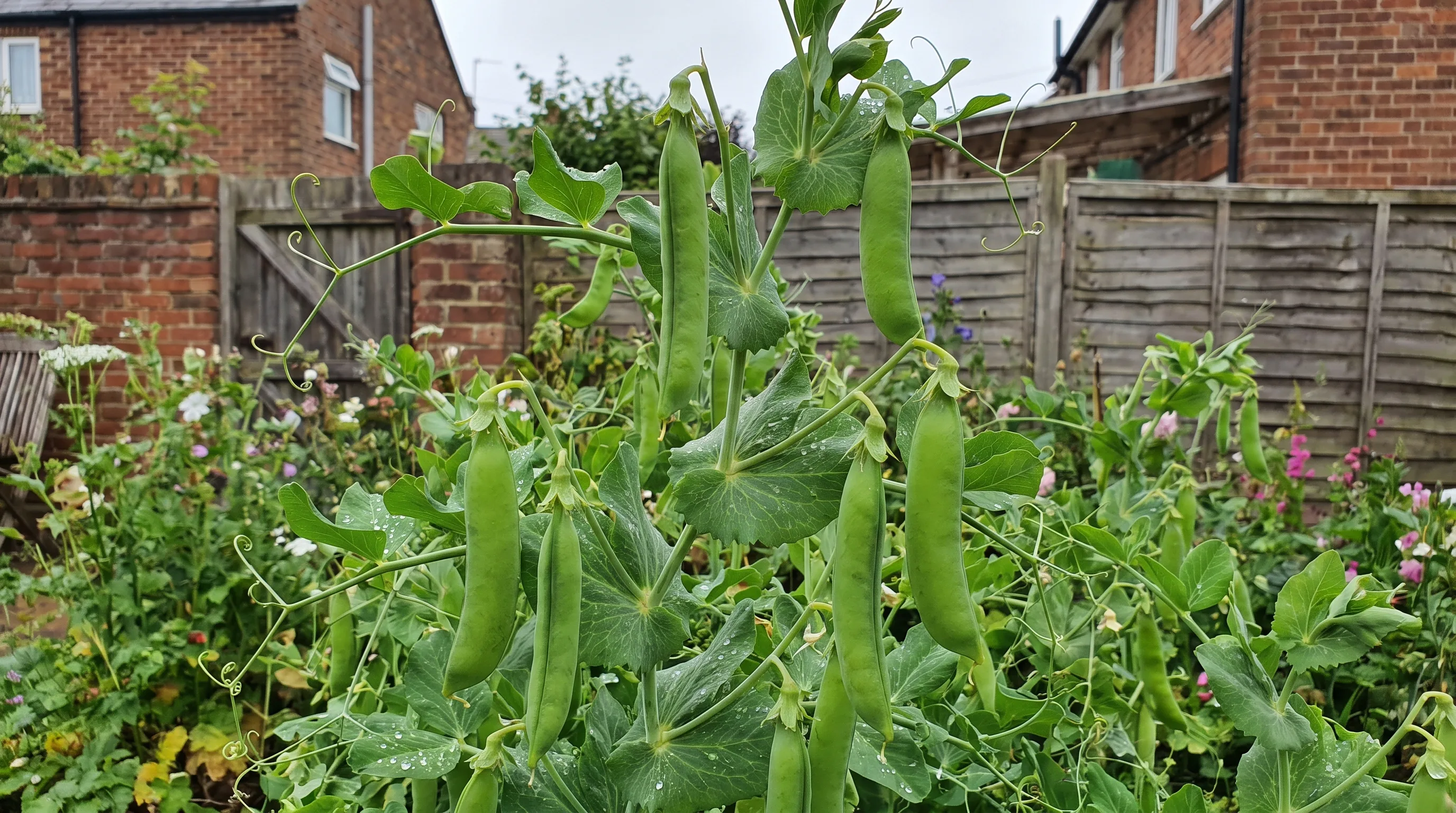
Pick the pods when they’re well filled but the peas inside are still soft. Don’t wait until the pods are bulging — the peas are sweeter and more tender when younger. Pick from the bottom of the plant upwards, as the lower pods mature first. Pick every 2–3 days in midsummer to keep the plants producing.
For mangetout and snap peas, pick when the pods are still flat and the peas inside are tiny. Pick regularly or the plants stop producing.
A 3 m double row of peas will produce 4–5 kg of pods over a 3-week harvest window. Once the harvest is over, cut the plants down to ground level (don’t pull them up) — the roots are full of nitrogen-fixing nodules that feed the next crop.
Frequently asked questions
Why didn’t my peas germinate? Usually one of three things: mice dug up the seeds, the soil was too cold and wet (sow later or use a cloche), or the seeds were old. Fresh seed germinates much more reliably than year-old seed — buy new each year.
My plants flowered but didn’t set pods. A dry spell at flowering time, or pea moth damage. Water consistently during flowering, and consider a late sowing to crop after the pea moth window.
Can I grow peas in containers? Yes, choose a dwarf variety like ‘Kelvedon Wonder’ or ‘Half Pint’ (a 30 cm tall variety bred for containers). Use a 30 cm deep container, a peat-free multi-purpose compost, and a small support of twiggy sticks. A 40 cm container will keep one person in pods for a couple of weeks.
Can I save pea seed? Yes, and it’s easy. Leave a few pods at the bottom of the plant to mature fully. They’ll turn brown and the peas inside will dry and harden. Shell them, dry further on a tray for two weeks indoors, and store in a paper envelope. Peas self-pollinate and come true to type.
Do peas need crop rotation? Yes — don’t grow peas (or any other legume) in the same bed for at least four years. As nitrogen-fixers, they’re an excellent crop to follow with a leafy brassica like cabbage or kale, which will use the nitrogen left in the soil.
Recommended Products
GardenWizz earns a commission from qualifying purchases made through affiliate links on this page (including links within the article) — as an Amazon Associate, and from Thompson & Morgan via the Awin network. This does not affect the price you pay. See our disclaimer for details.
Related Articles
More →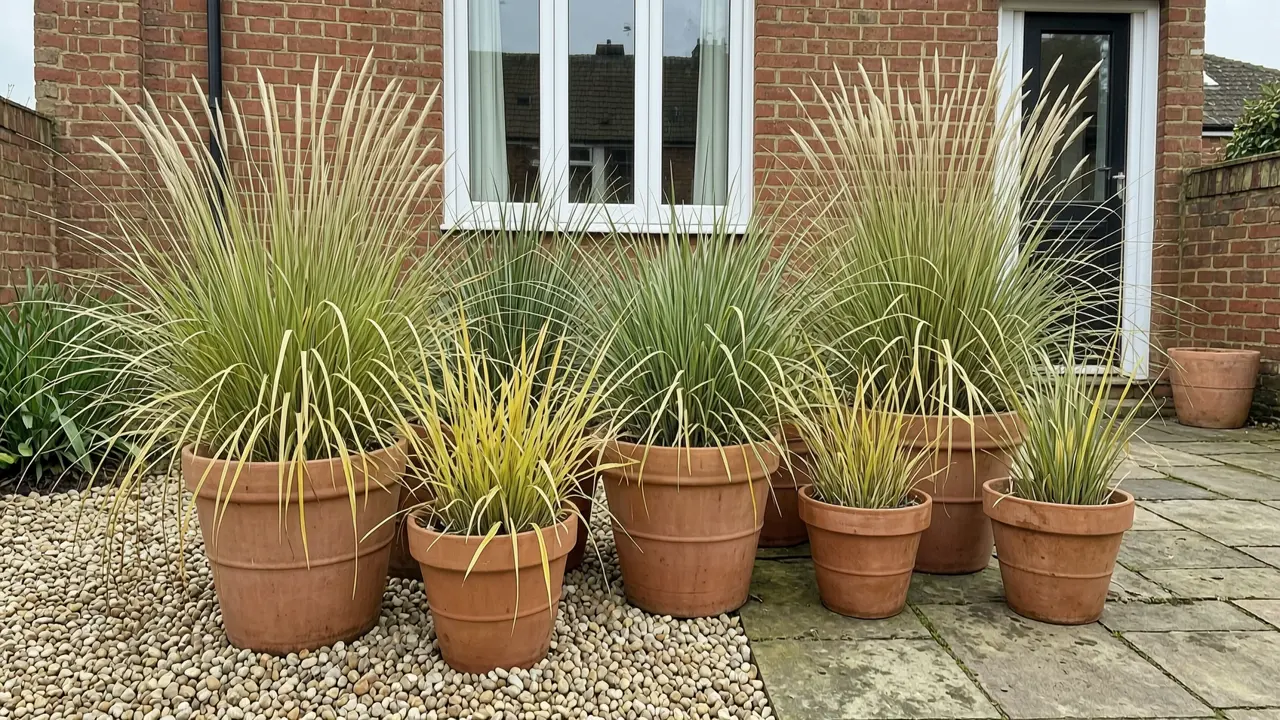 Growing Guide
How to grow ornamental grasses in pots
5 August 2026Grow ornamental grasses successfully in containers with advice on pot size, compost, watering, feeding, winter care and long-term maintenance.
 Growing Guide
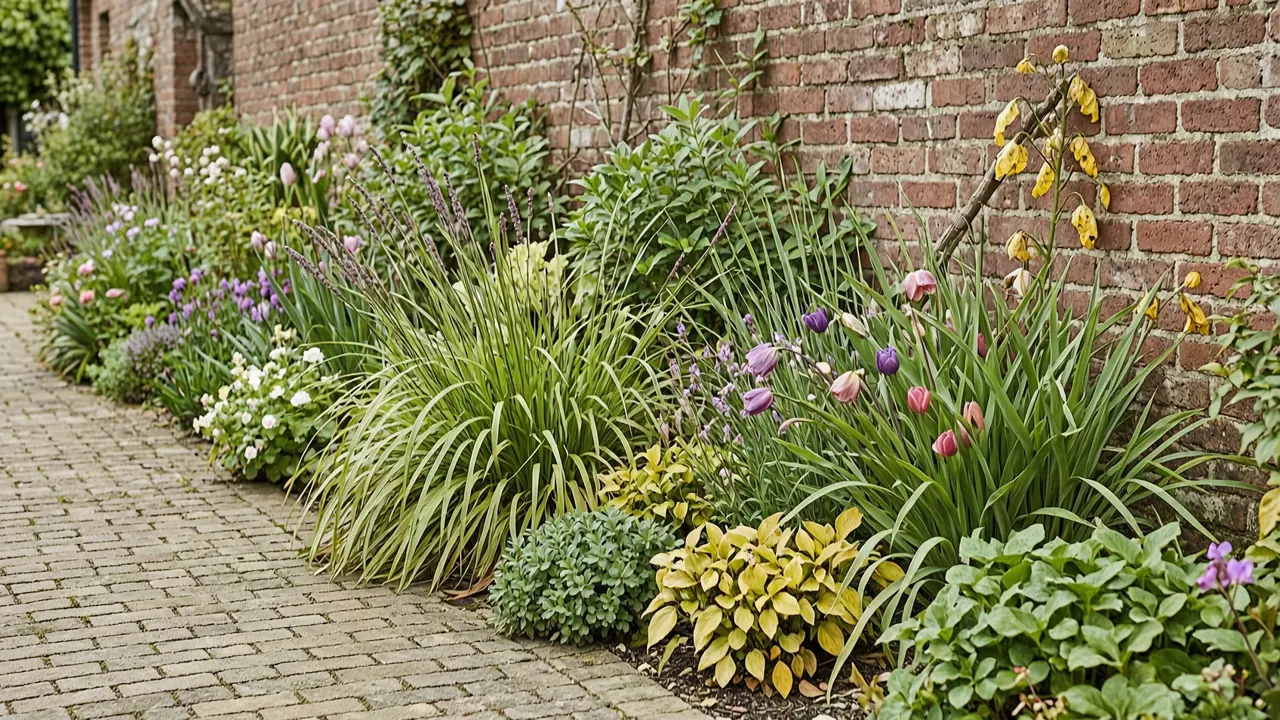
How to plan a perennial border
5 August 2026Plan a balanced perennial border with practical guidance on position, colour, height, spacing, flowering succession and year-round structure.
 Growing Guide
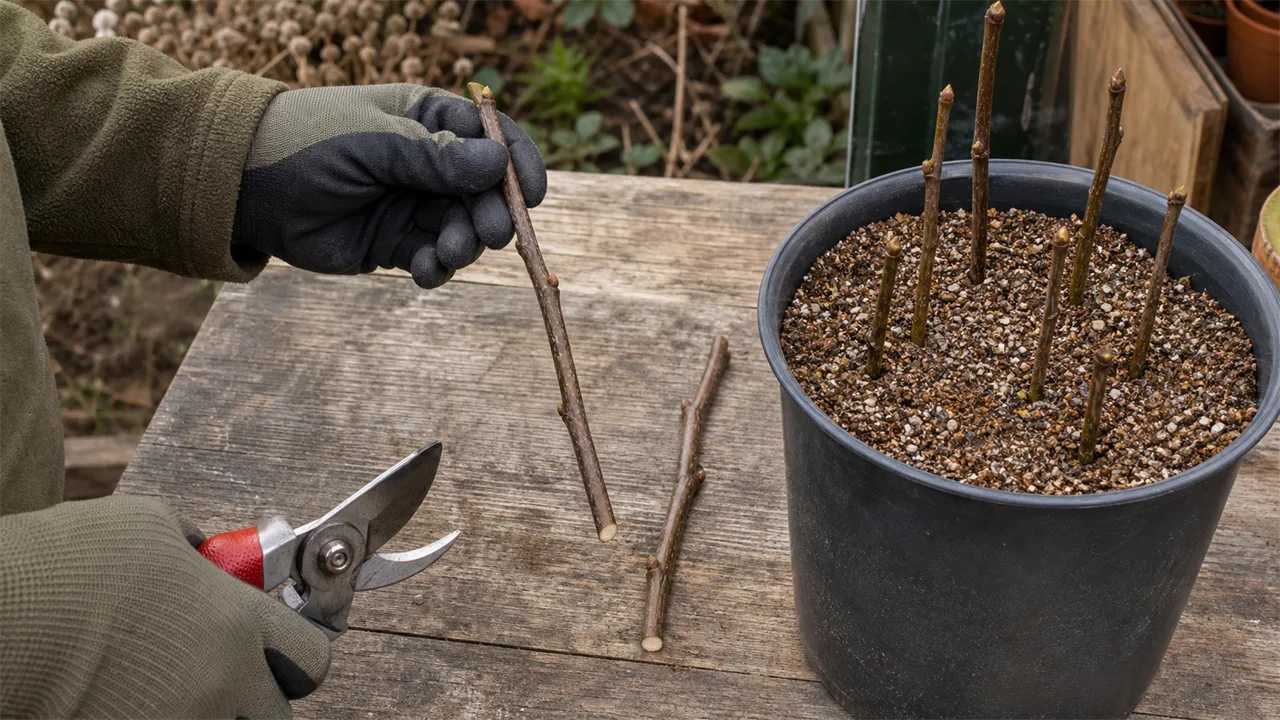
How to take hardwood cuttings
29 July 2026Take hardwood cuttings from suitable dormant shrubs and climbers with this step-by-step guide to timing, preparation, rooting and aftercare.