
How to Grow Spinach
Spinach is a cool-season superstar in UK gardens, offering quick harvests of nutrient-packed leaves that thrive in our mild springs and autumns.
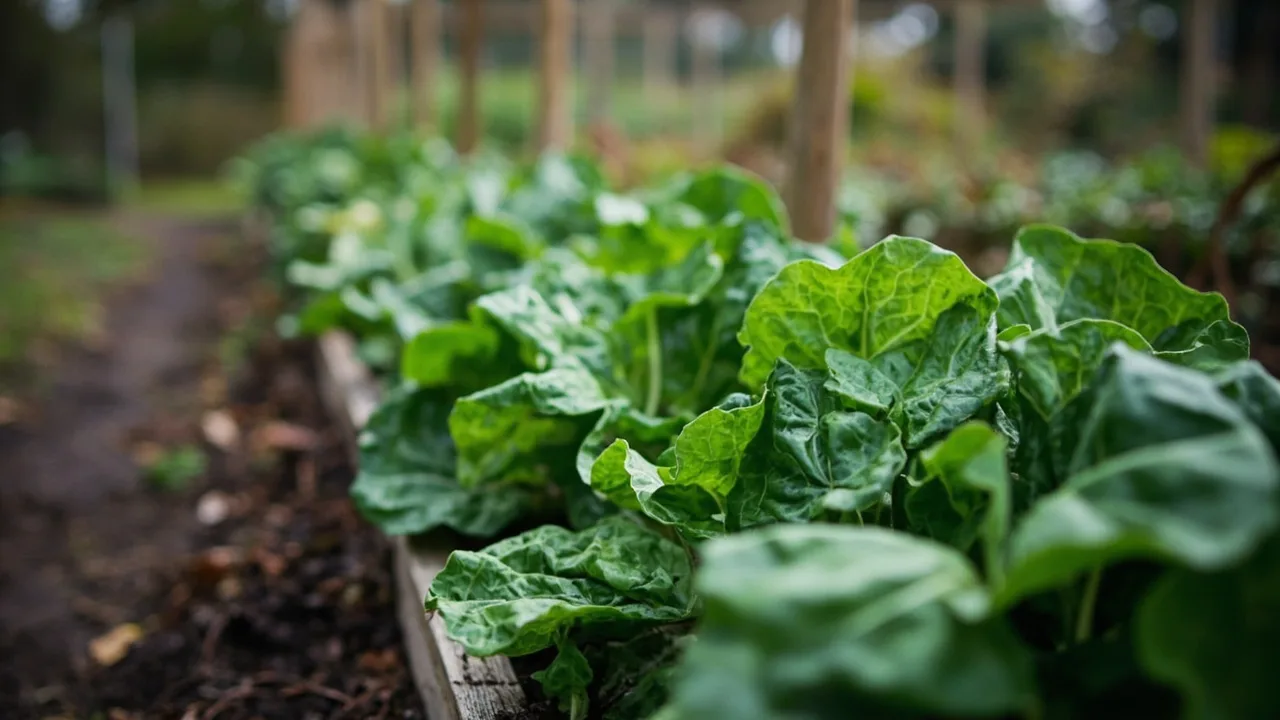
Spinach is a cool-season superstar in UK gardens, offering quick harvests of nutrient-packed leaves that thrive in our mild springs and autumns. Unlike many vegetables, it’s versatile enough to grow in containers, borders, or dedicated beds, and with the right timing, you can enjoy fresh leaves from early spring right through to late autumn. This guide cuts through the fluff to give you practical, UK-specific steps for success, focusing on proven techniques that prevent bolting and maximise yield. Forget the myths – we’ll stick to what actually works in British soil, weather, and gardens.
Choosing Your Spot and Soil Prep
Spinach prefers a sheltered, partly shaded spot in the garden, especially in warmer regions where full sun can cause bolting. It thrives in moist, well-drained soil rich in organic matter, but crucially, compost or organic matter does not meaningfully alter soil pH – to raise pH (for alkaline-loving plants), use garden lime; to lower it (for acid-loving plants), use sulphur. Test your soil first: spinach prefers a pH of 6.5–7.5. Amend with lime if below 6.5 (apply 50g per sq m), but never assume organic matter will fix pH. Dig in 2–3 handfuls of well-rotted garden compost per square metre before sowing to improve structure and moisture retention. For heavy clay soils (common in the Midlands and North), mix in 10cm of sharp sand per sq m to boost drainage – this is essential to prevent root rot. Avoid sowing in waterlogged areas; if your soil is poor, add a 5cm layer of compost and fork it in deeply. Remember, spinach roots penetrate only 15cm deep, so deep digging isn’t needed. For container growing, use a 30cm pot with drainage holes, filling it with a 50:50 mix of multipurpose compost and garden soil, and sow 5 seeds per pot.
Sowing Times: UK Seasonal Timing
Timing is everything for spinach to avoid bolting (going to seed early). In the South West and London, sow outdoors from February to August for staggered harvests. For early spring crops, sow hardy varieties like 'Malabar' or 'Giant Noble' in late February/early March under cloches (e.g., 15 Feb–15 Mar). In Scotland and Northern England, delay sowing by 2–4 weeks – aim for mid-March to May for spring crops. For summer harvests, sow every 3 weeks from April to July (South) or April to August (North); for autumn, sow from July to August (South) or August to September (North) for overwintering. Avoid sowing in mid-summer (July/August) in southern UK as heat will trigger bolting; in the north, August sowing is safer. Always sow in rows 30cm apart, 1cm deep, and cover lightly with soil. For container growing, use a 30cm pot with drainage holes, sowing 5 seeds per pot. Crucially, in the South West, a late July sowing can yield autumn leaves, but in Scotland, wait until early August to avoid frost damage.
Key Sowing Schedule
- Early Spring (South): 15 Feb–15 Mar | North: 15 Mar–1 Apr
- Summer Succession (South): Every 3 weeks from 1 Apr–15 Jul | North: 1 Apr–15 Aug
- Autumn Overwintering (South): 15 Jul–15 Aug | North: 15 Aug–15 Sep
- Avoid: Sowing 15–30 Jul (South) or 15–30 Jun (North) – heat stress is high.
- Critical Note: In Scotland, never sow after 20 August – a late sowing risks winterkill.
Best UK Varieties for Your Climate
Not all spinach is equal in British conditions. Choose varieties bred for cool weather and slow bolting:
- 'Malabar': Heat-tolerant, ideal for summer sowings (sow late spring–early summer). Resists bolting better than most. Perfect for London and the South East.
- 'Giant Noble': Classic, large leaves, perfect for spring/autumn crops. Tolerates light frost. Best for beginners in the Midlands.
- 'Victoria': Reliable, slow-bolting, great for beginners. Harvests well into early summer. Works well across England and Wales.
- 'Winter Bloomsdale': Hardy for overwintering (sow late summer, harvest spring). Best for mild southern UK (Cornwall, Sussex).
Avoid 'Savoy' types – they’re prone to bolting in UK summers. For container growing, 'Malabar' or 'Giant Noble' in a 30cm pot work well. In Scotland, stick to 'Winter Bloomsdale' or 'Victoria' for overwintering – 'Malabar' may bolt too quickly in cooler summers.
Watering, Feeding, and Weed Control
Spinach needs consistent moisture – water deeply twice weekly (500ml per plant in dry spells) to prevent bitter leaves. In the UK’s variable climate, this means watering early morning on sunny days, especially during April and May’s dry spells. Mulch with 5cm of straw or leafmould to retain moisture and suppress weeds. For heavy clay soils, use leafmould (easily sourced from local parks) as it breaks down slowly. Feed only if soil is poor: apply a balanced organic liquid feed (e.g., seaweed extract) every 3 weeks after the first true leaves appear. Never use high-nitrogen fertilisers – they encourage leafy growth but increase nitrate levels (spinach naturally contains nitrates, but excess can be harmful, especially for those on blood thinners). Weeds compete fiercely; hand-pull seedlings early – avoid herbicides as they’re not approved for edible leafy greens in home gardens. For persistent weeds like groundsel, use a hand trowel to dig out roots without disturbing spinach roots. In Scotland, where spring is wetter, reduce watering frequency to prevent waterlogging – spinach hates soggy feet.
Pest and Disease Management
Spinach is vulnerable to slugs and snails (especially in damp springs) and flea beetles (which create tiny holes in leaves). For slugs, use organic slug pellets (e.g., iron phosphate-based) as per label instructions – apply in early evening after rain. Place shallow beer traps (half-filled beer in a saucer) near plants. For flea beetles, cover young plants with horticultural fleece until established (10–14 days). Avoid spraying pesticides – the RHS advises against chemical control for home-grown spinach due to residue risks. If powdery mildew appears (white patches on leaves), improve air circulation by spacing plants 15cm apart and avoid overhead watering. Spinach is non-toxic to cats, dogs, and horses (RHS confirmed), so safe for pet-friendly gardens. In Scotland, monitor for slugs in April and May – use copper tape around containers to deter them.
Harvesting for Maximum Yield
Harvest spinach when leaves are 10–15cm tall – pick outer leaves first (cut just above soil level with scissors) to allow inner leaves to grow. This "cut-and-come-again" method gives multiple harvests from one sowing. For spring crops, harvest from late April to June (South) or mid-May to July (North); for summer sowings, pick from July to September. Never let plants flower (bolt) – it makes leaves bitter and tough. If you see flower stalks, remove them immediately with a sharp knife. For autumn-sown crops, harvest in late winter/early spring (February–March) before new growth starts. Pick in the morning for crispest leaves, and wash gently before storing in a damp cloth in the fridge (lasts 5–7 days). In Scotland, harvest overwintered spinach by early March – the cold exposure sweetens the flavour. For maximum yield, harvest every 10 days from established plants, taking no more than one-third of the leaves at a time.
Overwintering Spinach in UK Gardens
In mild southern UK (e.g., Cornwall, London), 'Winter Bloomsdale' or 'Victoria' can overwinter. Sow in late July/early August (South) or mid-August (North), ensuring soil is moist but not waterlogged. Once plants are 10cm tall, mulch heavily with 5cm of straw or dry leaves to protect roots from frost. In Scotland, only 'Winter Bloomsdale' is reliable for overwintering – sow in August and cover with 2 layers of horticultural fleece if temperatures drop below -5°C. In spring, harvest leaves before new growth begins (late February–March). Avoid overwintering in heavy clay soils; ensure drainage is excellent by adding grit to planting holes. Overwintered spinach often has a sweeter flavour due to cold exposure, but in Scotland, expect 20% less yield than southern UK due to shorter growing seasons.
Recommended Products
GardenWizz earns a commission from qualifying purchases made through affiliate links on this page (including links within the article) — as an Amazon Associate, and from Thompson & Morgan via the Awin network. This does not affect the price you pay. See our disclaimer for details.
Related Articles
More → Growing Guide
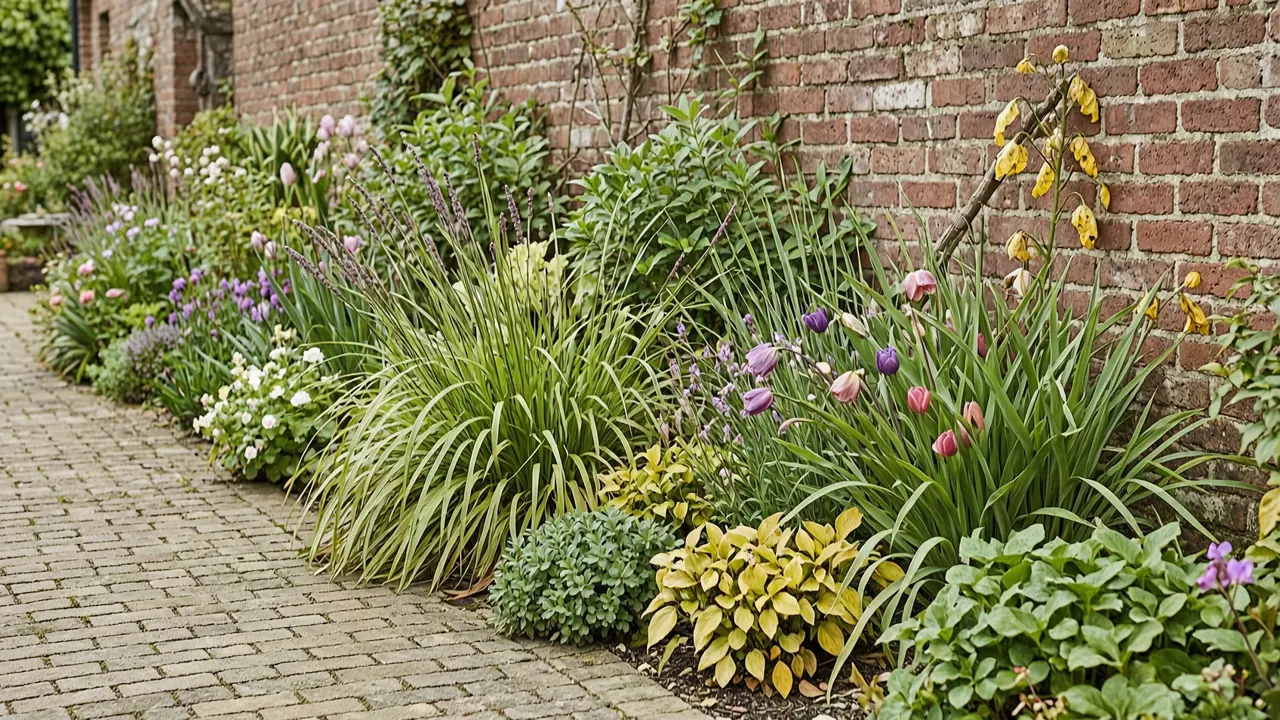
How to grow ornamental grasses in pots
5 August 2026Grow ornamental grasses successfully in containers with advice on pot size, compost, watering, feeding, winter care and long-term maintenance.
 Growing Guide
How to plan a perennial border
5 August 2026Plan a balanced perennial border with practical guidance on position, colour, height, spacing, flowering succession and year-round structure.
 Growing Guide
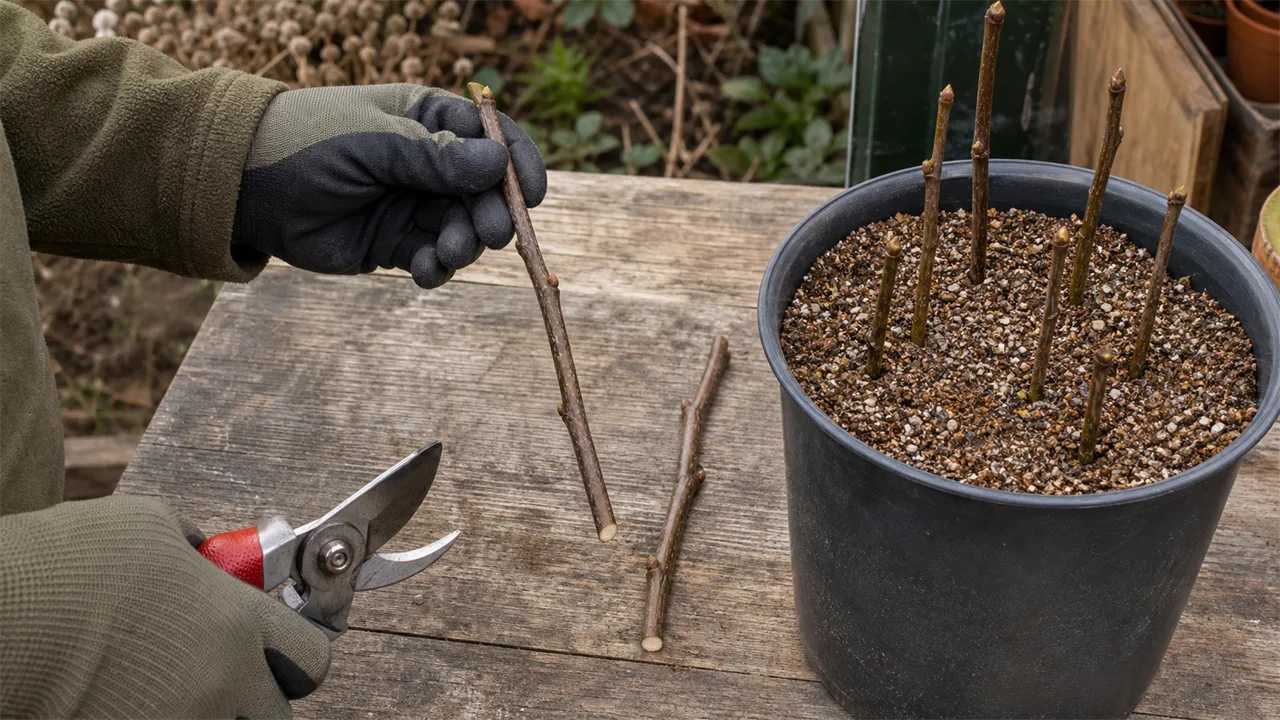
How to take hardwood cuttings
29 July 2026Take hardwood cuttings from suitable dormant shrubs and climbers with this step-by-step guide to timing, preparation, rooting and aftercare.