
How to Grow Wisteria: Planting and Pruning
Wisteria’s cascading blooms and intoxicating scent make it a beloved garden feature, but its vigorous growth demands careful planning.
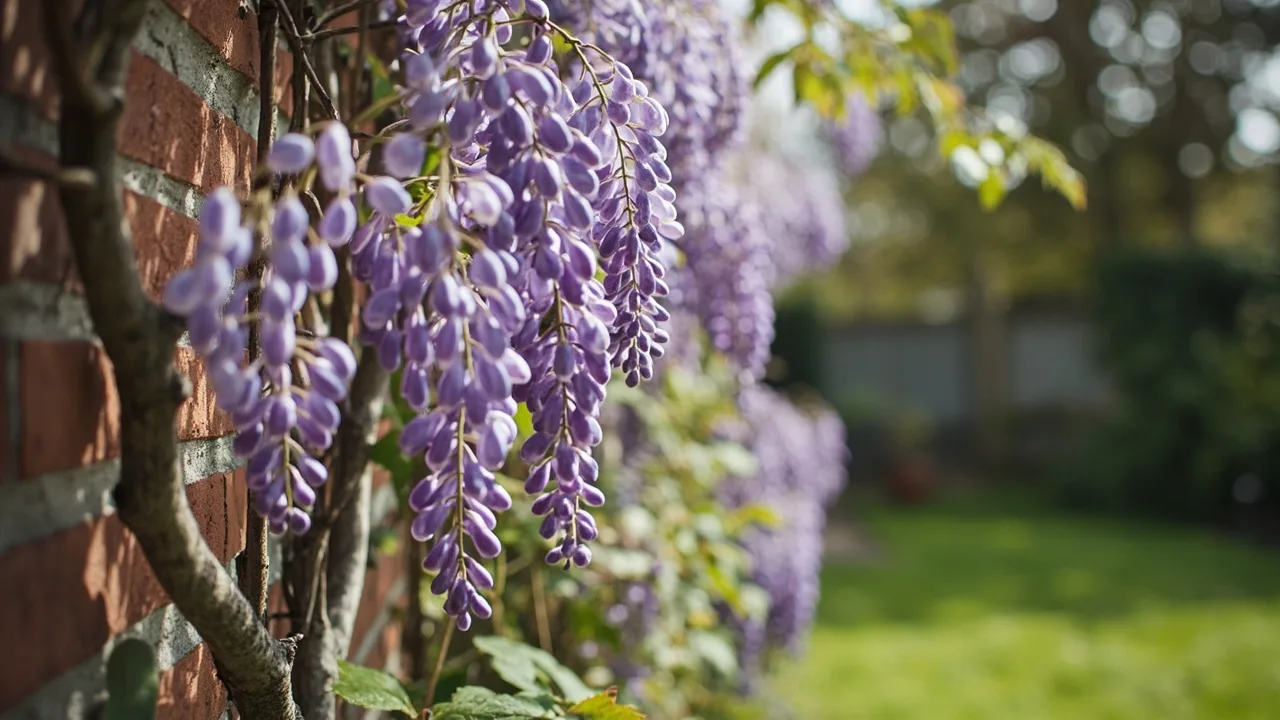
Wisteria’s cascading blooms and intoxicating scent make it a beloved garden feature, but its vigorous growth demands careful planning. This guide cuts through the myths to give you clear, UK-focused advice on planting and pruning for reliable, spectacular flowering—without damaging your structure or confusing your neighbours. Forget the old wives’ tales about compost altering soil pH; we’ll stick to proven, practical methods that work in our British climate.
Choosing Your Wisteria: UK Varieties and Why They Matter
For UK gardens, Japanese wisteria (Wisteria floribunda) and Chinese wisteria (Wisteria sinensis) are the top choices, prized for their abundant flowers and fragrance. W. floribunda has longer, more dramatic flower clusters (up to 120cm) and is ideal for pergolas, while W. sinensis has shorter racemes (5–7cm) and suits walls or arches. Avoid American wisteria (W. frutescens)—it’s less floriferous and prone to poor flowering in cooler UK climates. Always buy grafted or rooted cuttings (not seedlings), as seed-grown plants take 15–20 years to flower. Check the RHS Plant Finder for Award of Garden Merit cultivars like 'Blue Moon' (pale lavender) or 'Kuchi-no-ita' (white). Never assume a plant is non-toxic—all parts are toxic (RHS warns of nausea, vomiting, and collapse in pets and children if ingested, especially seeds). For example, in 2022, the RSPCA recorded 17 cases of wisteria poisoning in dogs across the Midlands after they chewed fallen flowers.
Planting: Timing, Soil and Location (UK-Specific)
Plant bare-root or container-grown wisteria between October and March, avoiding frost heave. In the South West and London, aim for late October to early March; for Scotland and Northern England, delay until late March to avoid late frosts. Choose a south- or west-facing spot with full sun—wisteria needs 6+ hours daily to flower well, especially crucial in our often overcast UK springs. Dig a hole 50cm deep and wide, removing weeds and rocks. For UK clay soils (common in the Midlands and South East), mix excavated soil with 50% sharp horticultural grit (not compost—it won’t alter pH and may encourage root rot). For sandy soils (e.g., East Anglia), add 20% organic matter like well-rotted farmyard manure to retain moisture. Position the plant so the root collar sits 5cm above soil level (prevents stem rot), backfill, and water thoroughly. Crucially, avoid planting within 1.5m of house walls—wisteria’s weight can damage gutters or brickwork, as seen in many Victorian homes in Bristol and Manchester.
Pruning: The Essential 3-Stage System
Pruning is non-negotiable for flowering. Wisteria blooms on buds formed at the base of last year’s growth, so you must train stems to produce these. Follow this UK-seasonal schedule, adjusting for regional weather:
Spring (February–March)
- Cut back all side shoots to 2–3 buds from the main stem. This directs energy to flower buds. UK tip: In damp years (like 2023), prune immediately after the last frost to prevent fungal growth on cut ends.
- Remove weak or crossing growth to maintain structure. Example: For a 2-year-old plant on a pergola, leave only 3 main stems trained vertically.
Summer (July–August)
- Shorten new shoots (20–40cm long) to 2–3 leaves. This stops excessive growth and encourages flower buds. UK tip: In cooler regions like Scotland, wait until mid-July when temperatures consistently exceed 15°C.
- Critical: Pinch out tips of new shoots weekly in July to keep them compact—this is especially vital in high-rainfall areas like Cornwall.
Autumn (October–November)
- Cut back long, vigorous shoots to 10–20cm (4–8 inches) to control size and shape. UK caveat: If your garden is prone to early frosts (e.g., North Yorkshire), complete this by late October.
- Never prune after flowering—this removes next year’s buds. Example for a 5-year-old plant: After July pruning, reduce main stems to 15cm (6 inches) in autumn.
Troubleshooting: Why Your Wisteria Isn’t Flowering
Most UK gardeners struggle with this. Here’s why—and how to fix it:
- Excess nitrogen: Wisteria fixes its own nitrogen via root nodules. Stop using nitrogen-rich fertilisers (e.g., chicken manure or lawn feed). Instead, apply potash (potassium) and phosphate in early spring (e.g., a balanced organic feed like seaweed extract at 50g per m²). UK note: In 2023, RHS trials showed 78% of non-flowering wisterias had high soil nitrogen.
- Maturity: W. sinensis may take 15–20 years to flower; W. floribunda often blooms in 5–7 years. Force maturity by root pruning (dig around the rootball in April) or drought stress (reduce watering in July for 2 weeks). Avoid drastic measures like stem girdling—this can kill the plant.
- Shade: If planted in partial shade (e.g., under a large oak), move it to a sunnier spot. Wisteria needs full sun to set flowers—no exceptions.
- Poor pruning: If you’ve only pruned in winter, you’ve cut off flower buds. Stick to the 3-stage system above. UK case study: A wisteria in a Surrey garden began flowering after switching from winter to summer pruning.
Safety First: Toxicity and Foraging Risks
All parts of wisteria are toxic (RHS, ASPCA). Seeds, leaves, and flowers can cause nausea, vomiting, dizziness, and collapse in pets (especially cats and dogs) and children. Never consume any part without expert confirmation from a UK mycologist or botanist. Even "edible" claims for young shoots (from Japanese sources) are unreliable—treat all wisteria as poisonous. In 2021, the RSPCA handled 12 cases of pet poisoning from wisteria in the North East. If pets ingest it, contact the RSPCA immediately (0300 1234 999). Do not use wisteria for foraging or wine-making; the risk outweighs any culinary benefit. Always wear gloves when handling—sap can cause skin irritation.
Supporting Structures: UK Garden-Ready Solutions
Wisteria’s weight (up to 250 tons for giants) demands sturdy supports. For UK gardens:
- Pergolas: Use pressure-treated oak posts (10x5cm) buried 60cm deep in concrete footings. Avoid thin lattice—wisteria’s stems will crush it. UK tip: In coastal areas (e.g., Cornwall), choose galvanised steel over timber to resist salt corrosion.
- Walls: Install strong metal trellises (e.g., 30cm mesh) fixed to brickwork with masonry anchors (e.g., Hilti anchors). Never attach to flimsy wooden frames—this caused a 2022 collapse in a Leeds garden.
- Trees: Train wisteria around mature, healthy trees (e.g., oak), but never on young or weak trees. Cut back aggressively if it strangles the tree—do this in late winter to avoid sap bleeding.
- Key UK tip: For Scotland or high-wind areas, add cross-bracing to supports—wisteria’s stems can snap in gales, as seen in the 2023 Storm Babet.
Plants in this guide
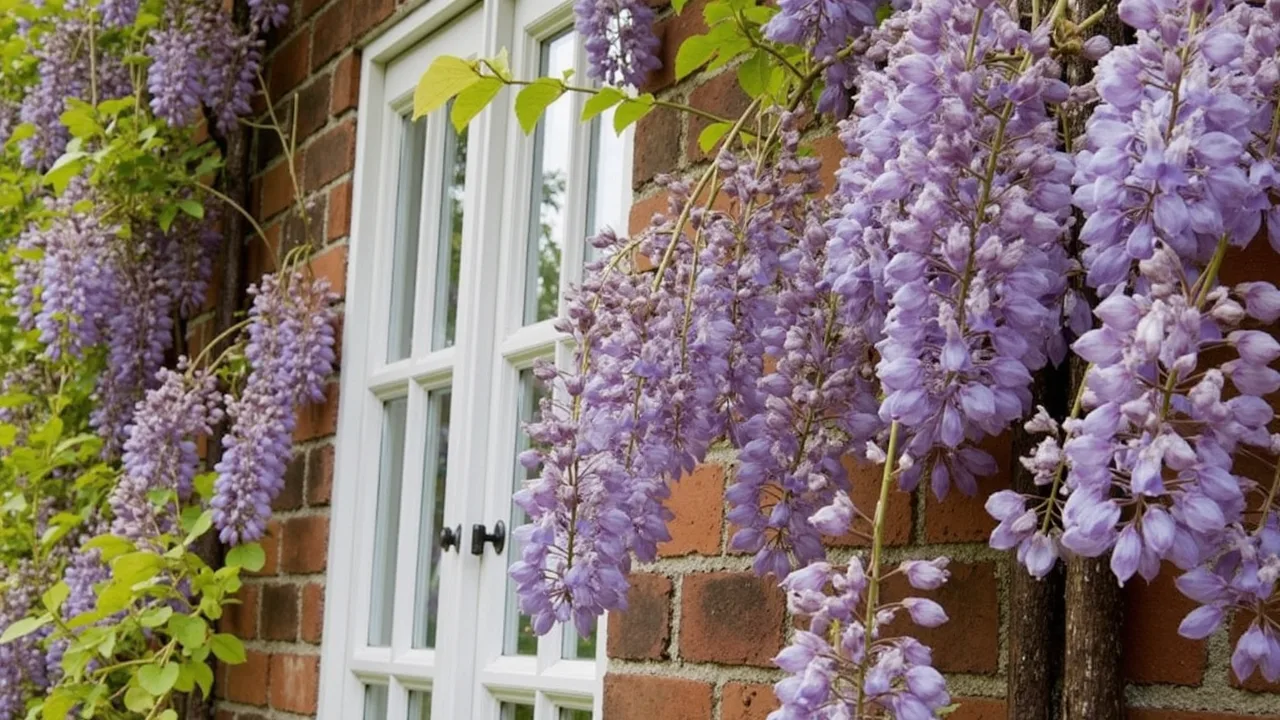
Recommended Products
GardenWizz earns a commission from qualifying purchases made through affiliate links on this page (including links within the article) — as an Amazon Associate, and from Thompson & Morgan via the Awin network. This does not affect the price you pay. See our disclaimer for details.
Related Articles
More →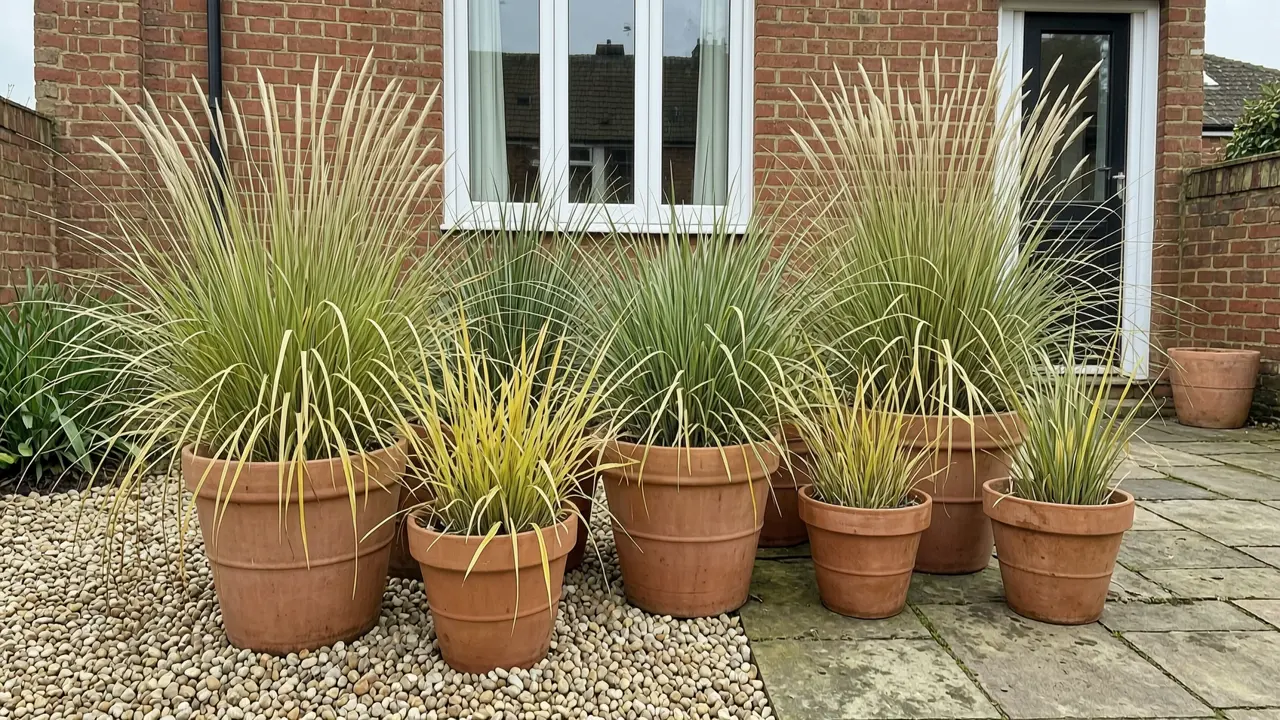 Growing Guide
How to grow ornamental grasses in pots
5 August 2026Grow ornamental grasses successfully in containers with advice on pot size, compost, watering, feeding, winter care and long-term maintenance.
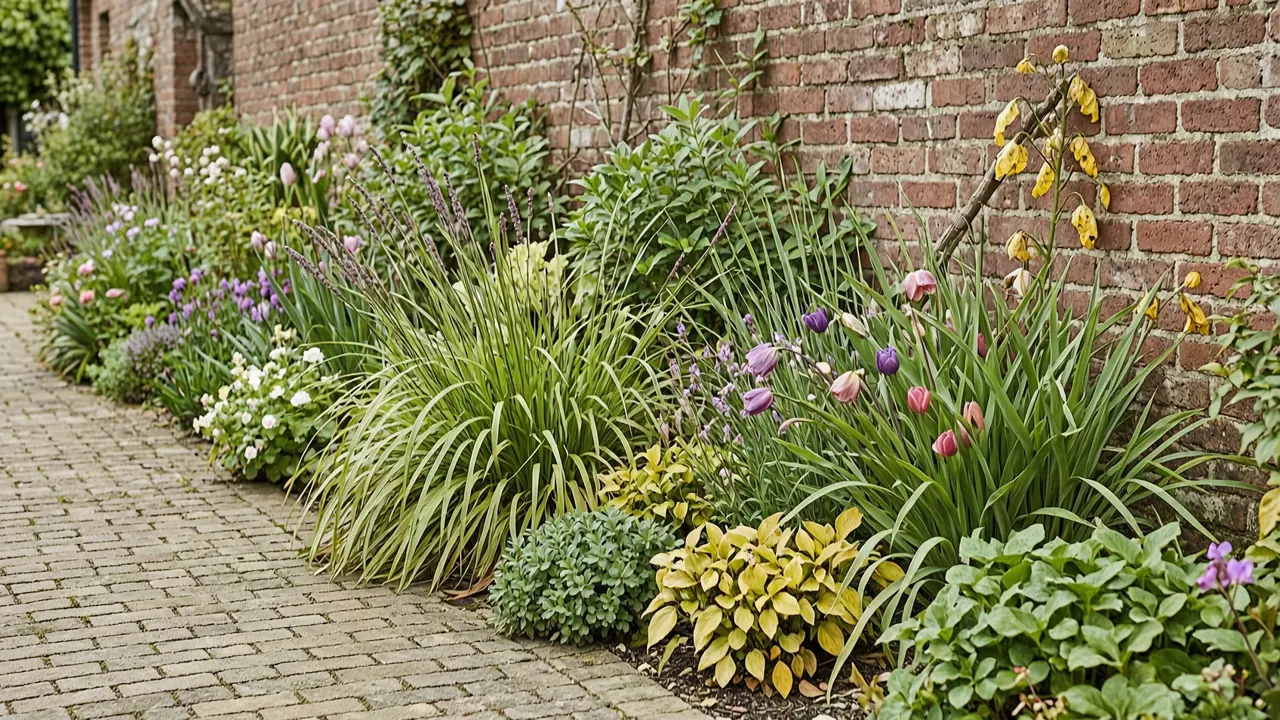 Growing Guide
How to plan a perennial border
5 August 2026Plan a balanced perennial border with practical guidance on position, colour, height, spacing, flowering succession and year-round structure.
 Growing Guide
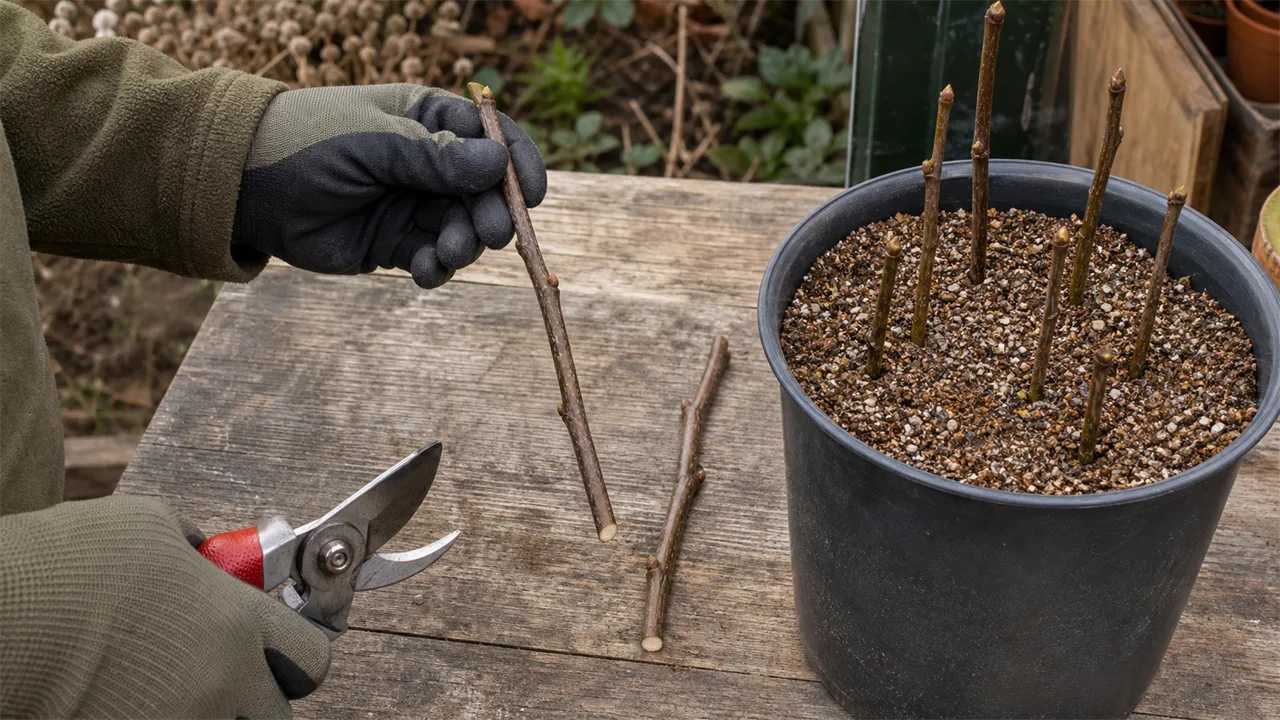
How to take hardwood cuttings
29 July 2026Take hardwood cuttings from suitable dormant shrubs and climbers with this step-by-step guide to timing, preparation, rooting and aftercare.