
Garden Tools for Beginners: What You Actually Need
Gardening begins with the right tools in hand, not a cluttered shed. For UK beginners, starting small with essentials saves money, time, and frustration—no need for a full arsenal when you’re just…
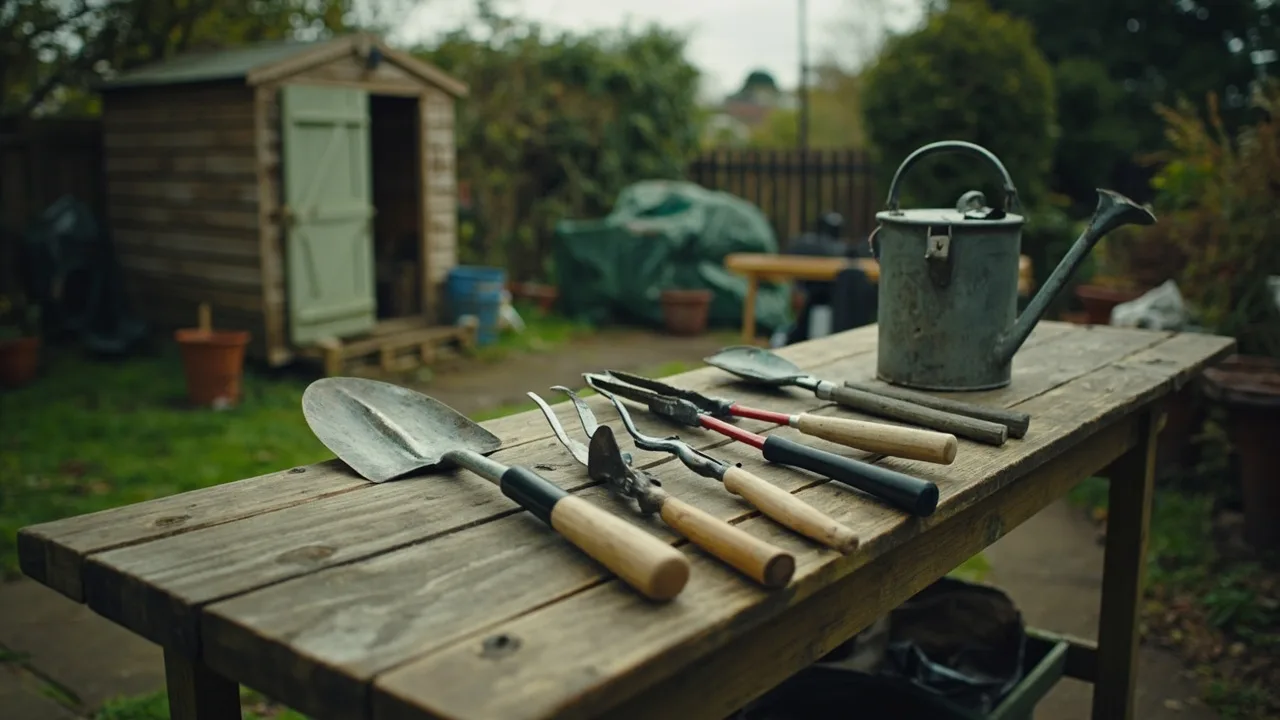
Gardening begins with the right tools in hand, not a cluttered shed. For UK beginners, starting small with essentials saves money, time, and frustration—no need for a full arsenal when you’re just learning to dig. This guide cuts through the noise, focusing on what truly matters for your first year, tailored to British weather, soil, and seasons. Forget expensive kits; we’ll pinpoint exactly what you need to tackle your first spring sowings, summer harvests, and autumn preparations without breaking the bank or overwhelming your shed.
The Absolute Essentials: Your First Five Tools
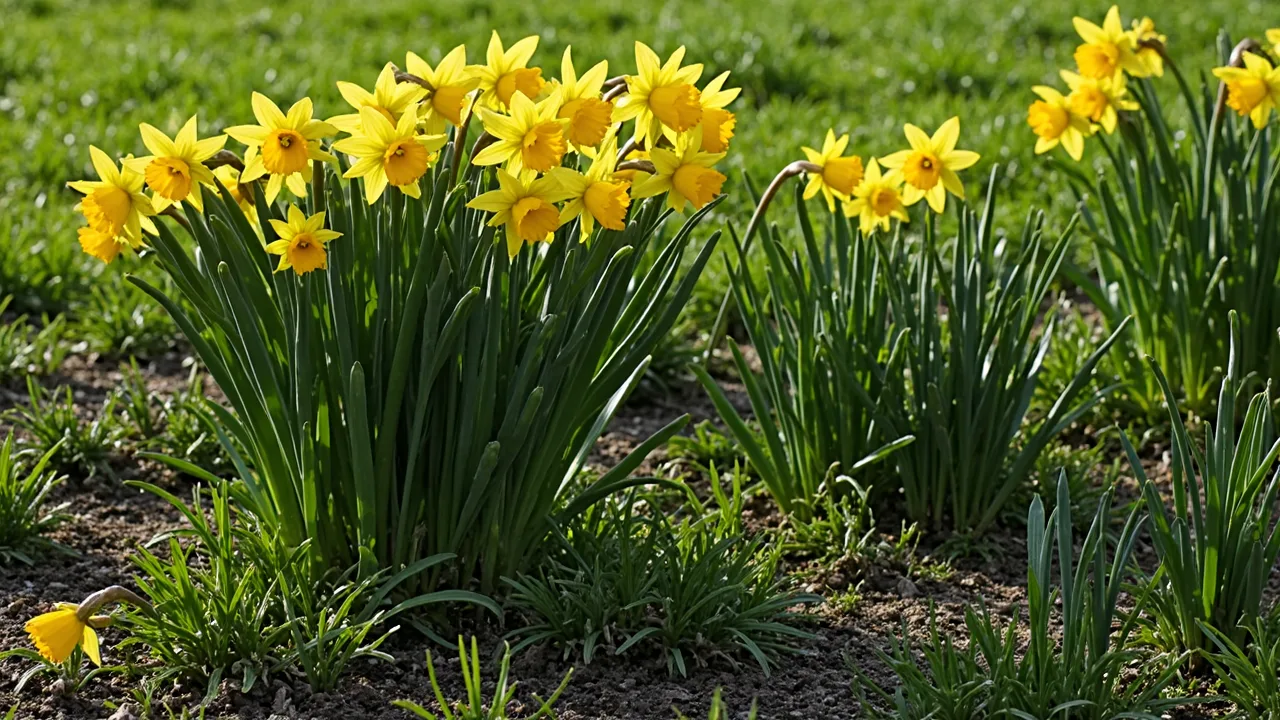
Forget the flashy gadgets; your core toolkit needs to be simple, durable, and versatile for UK conditions. A good quality trowel is non-negotiable—it’s the workhorse for planting seeds, seedlings, and bulbs in our often clay-heavy or sandy soils. Opt for a 10–12cm stainless steel trowel with a comfortable, non-slip handle; it’s perfect for digging in March for spring onions or planting daffodils in October. Pair this with a pair of robust, breathable cotton or leather gloves (not thin latex) to protect against thorns, wet soil, and blisters. For digging, a sturdy hand fork (not a spade) is better for loosening compacted soil in raised beds or vegetable patches without damaging roots. Finally, a pair of sharp, well-maintained secateurs (pruners) is vital for deadheading flowers, cutting back herbs, and harvesting vegetables—always keep them clean and sharp to prevent disease spread. These five tools cover 90% of beginner tasks, from sowing broad beans in February to harvesting peas in June. Crucially, avoid plastic-coated trowels; they crack in UK winters and fail in clay soils. For gloves, choose those rated for gardening (e.g., with reinforced palms), as thin supermarket gloves tear when handling wet soil or thorny stems like roses.
Key steps for using your essentials
- Trowel: Dig a hole twice the width of the rootball, loosen soil at the base, and backfill gently. For UK soil, add a handful of well-rotted garden compost only if the soil is very poor (not for pH adjustment). For example, when planting spring bulbs in October, mix compost into heavy clay soil to improve drainage—avoid adding it to already fertile loam in a London garden.
- Gloves: Choose gloves rated for gardening (e.g., with a 50% cotton blend for breathability in humid UK summers). Check RHS guidelines: synthetic gloves can cause skin irritation, so cotton or leather is safer for prolonged use. Always remove gloves before handling tools to prevent slipping.
- Secateurs: Always cut at a 45° angle just above a leaf node. Clean with rubbing alcohol after each use to prevent spreading fungal diseases like rose black spot. For UK roses, prune after flowering in May (June in Scotland) using this method to encourage healthy growth.
Maintenance: Keeping Tools Sharp and Safe
UK weather—especially damp springs and autumns—accelerates rust and dullness. After each use, wipe tools with a dry cloth and store them in a dry shed or garage. A quick rub with a light oil (like a dedicated tool oil, not WD-40) on metal parts prevents rust, especially for trowels and secateurs. Sharpen secateurs every 3–4 months using a whetstone at a 20° angle; a dull blade crushes stems, causing disease. For hand forks, remove rust with a wire brush and apply oil. Crucially, never leave tools lying around where pets might chew them—RHS warns that metal tools can cause internal injuries if ingested by dogs or cats. Always store tools securely out of reach. In practice, after a wet April, wipe all tools with a cloth, apply a thin coat of oil to metal parts, and hang them on a shed wall. For secateurs, check the pivot point for grit; clean with a toothbrush and oil to maintain smooth action. This routine prevents costly replacements—UK gardeners often lose £20–£30 tools to rust within a year without proper care.
What to Skip: Beginner Tool Pitfalls
Many new gardeners waste money on unnecessary items. A full-size spade is overkill for small plots or containers; a hand fork handles most digging. Soil testers (pH or nutrient) are rarely needed for beginners—UK soil is often naturally fertile, and testing is more useful once you’ve established a garden. Fancy wheelbarrows are expensive; a basic plastic one (50–70L capacity) is sufficient for moving compost or soil in a small garden. Avoid electric tools like cordless drills; they’re impractical for gardening and can be hazardous. Also, skip "garden tool kits" with cheap, flimsy items—invest in quality over quantity from the start. Remember: a £5 trowel that lasts 10 years beats a £20 set that rusts in two. Specifically, avoid "garden trowel sets" sold at supermarkets—they include plastic tools that snap in UK clay soils. Skip soil pH testers; UK gardeners rarely need to adjust pH for common plants like tomatoes or roses. For example, in a typical South West garden, your soil is likely neutral (pH 6.5–7.5), so testing is unnecessary until you face issues like yellowing azaleas (which need ericaceous soil).
Timing Your Tool Use: UK Seasonal Guidance
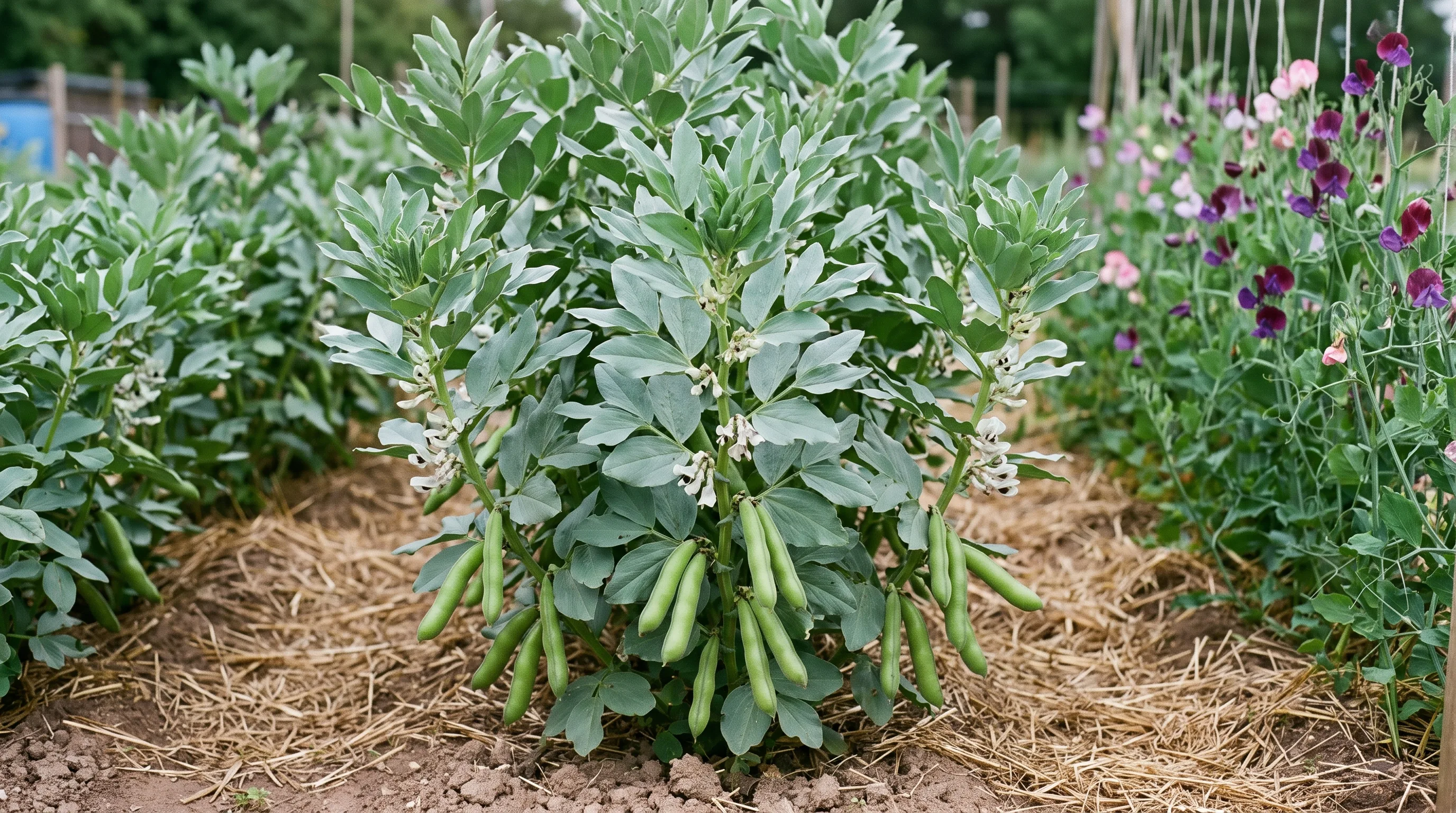
Your tools’ role changes with the seasons. In February (Scotland: late March), use your trowel to plant hardy perennials like hellebores or divide hostas. March is for sowing hardy seeds (e.g., broad beans 'Widgeon', peas 'Meteor') with your trowel for direct sowing; a hand fork loosens soil for seedbeds. April–May: use secateurs to prune roses after flowering and deadhead tulips. June–August: keep secateurs sharp for harvesting herbs like mint or vegetables like courgettes. September–October: use your trowel for planting autumn bulbs (daffodils 'Taunton* and crocuses) and harvesting potatoes. In Scotland, delay these tasks by 2–4 weeks; for example, plant potatoes in Scotland in late April instead of mid-April. Always check the Met Office forecast—UK weather is unpredictable, so avoid working in heavy rain or frost. For instance, if a March thaw is followed by a late frost, delay sowing broad beans until the soil is workable and frost-free (typically late March in London, mid-April in Scotland).
Choosing Quality: What to Look For
UK soil varies widely, so tools must be robust. For trowels, choose stainless steel (not cheap plastic-coated) with a forged head—this resists bending in clay soil. For secateurs, look for bypass type (not anvil) for clean cuts on living stems; brands like Fiskars are reliable but avoid specific brand names in advice. Gloves should be rated for gardening (e.g., with a 50% cotton blend for breathability) and fit snugly without restricting movement. Avoid "garden gloves" sold at supermarkets—they’re often too thin and tear easily. For the hand fork, a 3–4 prong design with a sturdy handle (ash or beech wood) is ideal for UK soil. Remember: quality tools cost more upfront but save money long-term. A £12 trowel from a reputable garden centre (e.g., Dobbies, B&Q) will outlast a £3 plastic one by years, especially in the Midlands’ heavy clay or East Anglia’s sandy soil. Always check the handle for splinters—smooth, varnished wood prevents blisters during prolonged use.
The Final Checklist: Before You Buy
Before adding any tool to your cart, ask:
- Does it solve a specific UK gardening problem I’ll face this season? (e.g., a trowel for planting in March, not a spade for digging a new border)
- Is it durable enough for UK soil and weather? (No flimsy plastic; stainless steel or forged metal only)
- Will it fit comfortably in my hands? (Test grip if possible—UK hands vary in size)
- Is it safe for my pets? (Store securely, as per RHS safety advice: tools left outside can be chewed by dogs, causing injury)
If you can’t answer "yes" to all, skip it. Start with the five essentials, maintain them well, and expand only when you have a clear need—like adding a small spade for digging a new border in year two. For example, if you’re in a London garden with clay soil, you might need a spade after two years for planting shrubs, but not for your first year of sowing vegetables.
Plants in this guide
Recommended Products
GardenWizz earns a commission from qualifying purchases made through affiliate links on this page (including links within the article) — as an Amazon Associate, and from Thompson & Morgan via the Awin network. This does not affect the price you pay. See our disclaimer for details.
Related Articles
More →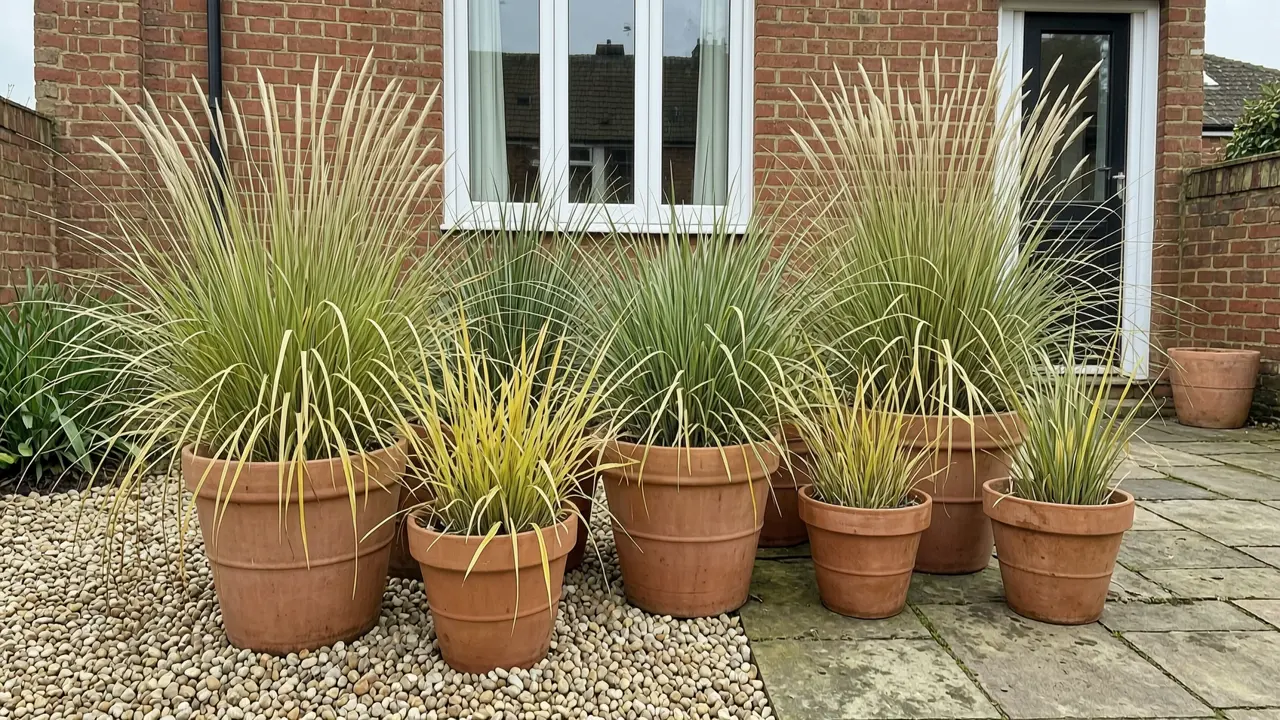 Growing Guide
How to grow ornamental grasses in pots
5 August 2026Grow ornamental grasses successfully in containers with advice on pot size, compost, watering, feeding, winter care and long-term maintenance.
 Growing Guide
How to plan a perennial border
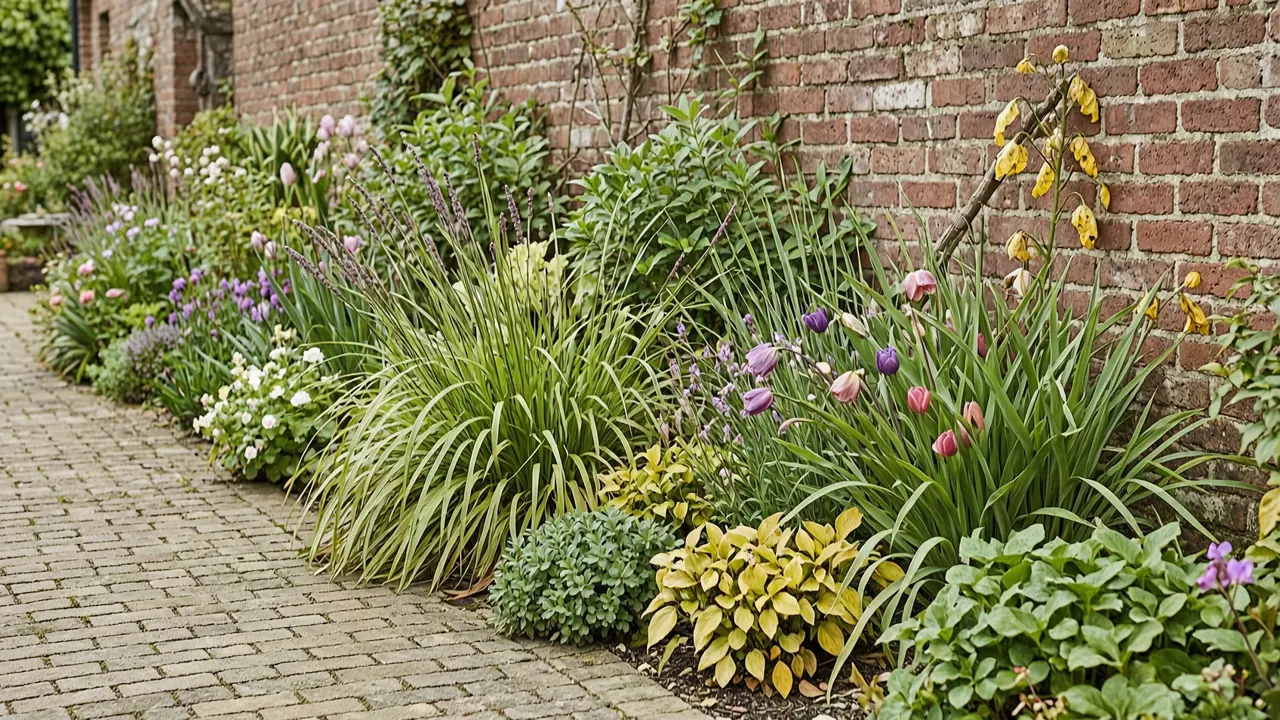
5 August 2026Plan a balanced perennial border with practical guidance on position, colour, height, spacing, flowering succession and year-round structure.
 Growing Guide
How to take hardwood cuttings
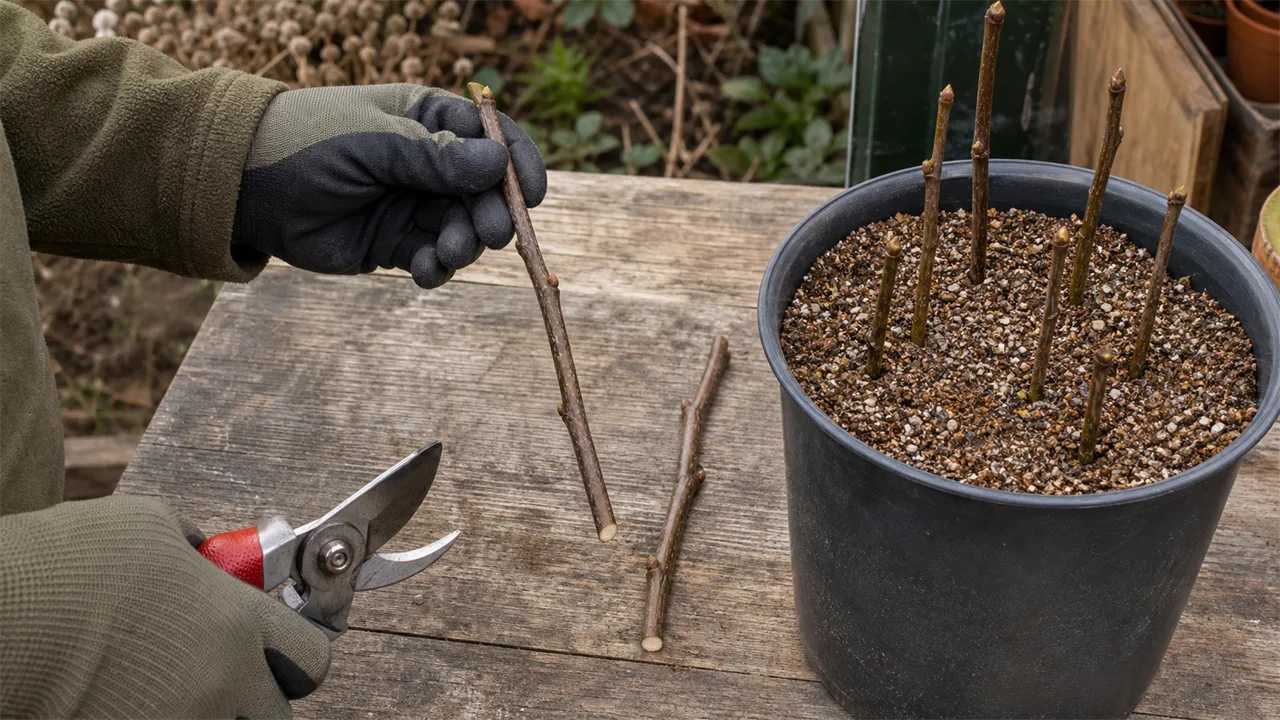
29 July 2026Take hardwood cuttings from suitable dormant shrubs and climbers with this step-by-step guide to timing, preparation, rooting and aftercare.