
Honey Fungus: The UK's Most Destructive Garden Disease
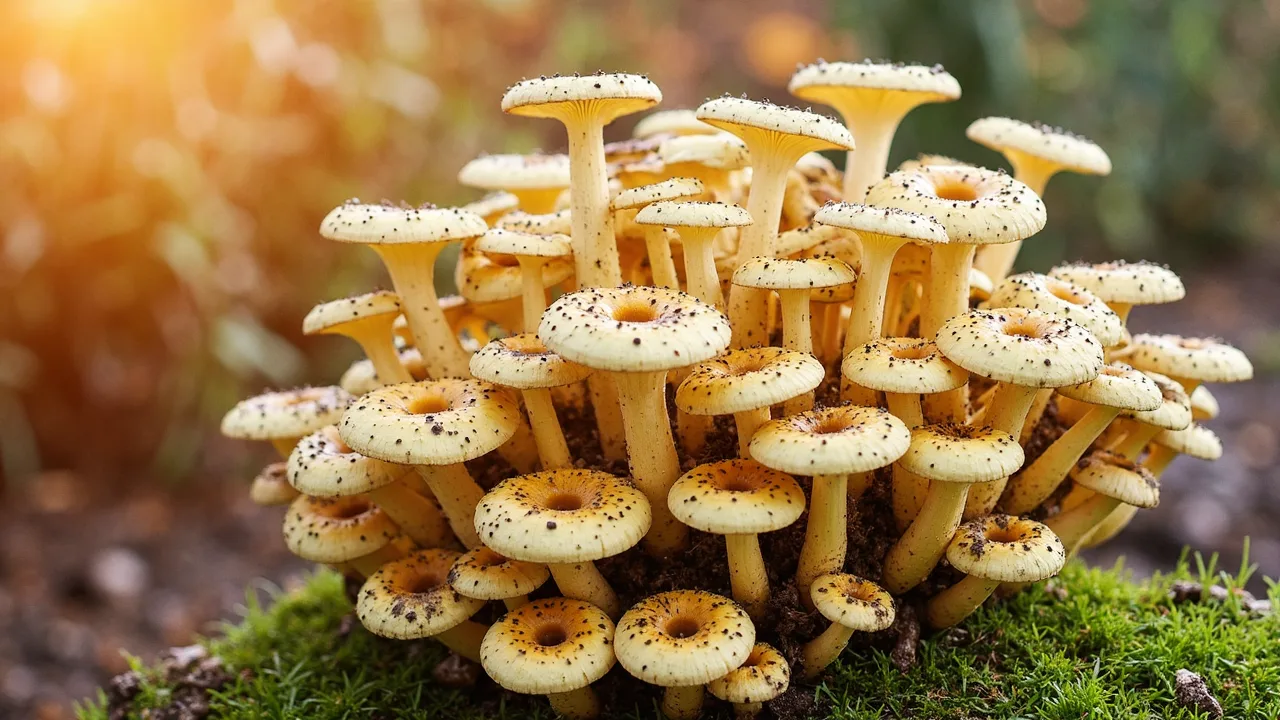
You’ve spotted dieback in your favourite shrub, or those unsettling clusters of honey-coloured mushrooms at the base of your oak tree. Don’t panic—honey fungus (Armillaria mellea) is a common but devastating UK garden problem, and knowing how to tackle it early saves your plants and your sanity. This guide cuts through the confusion with clear, UK-specific steps to identify, contain, and prevent this relentless pathogen, drawing on decades of UK garden experience and pathology.
Identifying Honey Fungus: Spot the Signs Early
Honey fungus is most active in the UK’s damp, cool conditions, with symptoms often emerging in late summer or early autumn. Look for clusters of honey-brown mushrooms growing in tight tufts at the base of trees or shrubs—typically appearing from August to October, after the first frosts. Crucially, don’t confuse these with harmless fungi; honey fungus mushrooms have a sticky cap, lack a ring on the stalk, and emit a distinct mushroomy scent. The real giveaway is the cream-coloured, thin mycelium layer beneath the bark at the root collar (where roots meet the stem), especially noticeable on older trees like beech, oak, or apple in late spring. If you see this, combined with sudden dieback of leaves or branches in April/May, it’s almost certainly Armillaria.
Symptoms can mimic other issues, so confirm before acting. Check for rhizomorphs—black, stringy, root-like structures (about the thickness of a pencil) growing just below the soil surface near infected plants. These spread at roughly 1 metre per year in UK conditions, so if you spot them, the infection is already established. Crucially, honey fungus affects all woody plants: it’s not just trees. Raspberries, roses, and even asparagus beds can be hit. If your plants produce a last burst of flowers or fruit before wilting (common in late summer), that’s a classic sign it’s too late for the plant but not for your garden.
Immediate Action: Containing the Spread
Time is critical—honey fungus spreads relentlessly. If you’ve confirmed infection, act within 24–48 hours. First, remove all infected plant material, including roots and stumps, and dispose of it in a black bin bag (never compost it—this spreads spores). Dig a trench 30cm deep and 60cm wide around the affected area, extending at least 1m beyond visible rhizomorphs or dead roots. This creates a physical barrier; UK soil’s high moisture content means rhizomorphs can travel sideways through damp earth, so don’t stop at the visible damage.
For established trees (like mature oaks), avoid digging near the trunk—this can cause more harm. Instead, cut away infected bark down to healthy wood (use a sharp knife) and apply a copper-based fungicidal wash (e.g., Bordeaux mixture) to the exposed area. For shrubs or smaller plants, dig out the entire root ball, then treat the soil with a biological control like Trichoderma harzianum (sold as Bio-Rad in UK garden centres) at the rate of 5g per 10 litres of water, applied to the soil surface. Repeat every 2 weeks for 3 months. Never replant susceptible species (roses, apple, beech) in the same spot—wait at least 18 months.
Preventing Future Infections: UK-Specific Strategies
Prevention is far easier than cure. In UK gardens, honey fungus thrives in poorly drained soil—so improve drainage before planting. For new beds, mix 10% sharp sand into heavy clay soil (e.g., 50kg per square metre) and add 5cm of well-rotted garden compost. Avoid planting susceptible species near existing trees: keep roses at least 2m from oak or beech roots, and never plant raspberries within 3m of a suspected infected tree.
Choose resistant varieties where possible:
- Trees: Hornbeam, birch, or hawthorn (less susceptible than oak or willow).
- Shrubs: Box (Buxus sempervirens) or heather (Calluna vulgaris)—avoid roses, viburnum, or yew.
- Edibles: Plant asparagus in raised beds with good drainage (it’s a common host, but less likely to suffer if soil is well-prepared).
Mulch with wood chip only if it’s fresh (not decomposed), as old wood chips can harbour spores. For existing gardens, apply a 5cm layer of non-wood mulch (e.g., bark chips or gravel) around the base of trees to discourage rhizomorphs from reaching the soil surface. Crucially, avoid using any wood from infected plants as fuel or in compost—this is a major UK spread vector.
What NOT to Do: Common UK Mistakes
Many gardeners make costly errors. Never ignore early signs because "it’s just a mushroom." Honey fungus mushrooms are a symptom, not the problem—acting on them alone is futile. Also, don’t try to "treat" with bleach or copper sulphate—the UK’s acidic soils neutralise these quickly, and they harm beneficial microbes. And definitely don’t replant with susceptible species after a single season; Armillaria rhizomorphs persist for years. A UK study showed 88% of infected sites remained contaminated after just one year of replanting with susceptible plants.
Another mistake: assuming honey fungus only affects old trees. It attacks young plants too—especially if they’re stressed by drought or poor soil. In 2022, a sudden UK heatwave followed by heavy rain caused a spike in infections on newly planted roses in London gardens. Always check soil moisture before planting; honey fungus thrives in waterlogged conditions.
Long-Term Garden Health: Beyond Honey Fungus
After managing an infection, focus on building soil resilience. UK gardeners should test soil pH annually—Armillaria prefers slightly acidic soil (pH 5.5–6.5). If your soil is acidic, add lime (500g per square metre) in early spring to raise pH to 6.5–7.0, which discourages the fungus. Plant nitrogen-fixing cover crops like clover (Trifolium repens) in autumn—they improve soil structure and suppress pathogens.
For ongoing vigilance, inspect the base of trees every autumn (September–October) for rhizomorphs or mushrooms. If you find them, dig immediately. As a UK gardener, you’ll also want to know: honey fungus can be eaten (when thoroughly cooked) but never with alcohol—this causes severe sickness. However, for gardeners, it’s a problem, not a delicacy.
#UKGardening #HoneyFungus #GardenWizz #PlantHealth #UKGardenTips #GardenProblemSolving #Armillaria
As an Amazon Associate, GardenWizz earns from qualifying purchases made through links on this page (including links within the article). This does not affect the price you pay. See our disclaimer for details.